Jensen Huang y la eNvidia
Hablamos de alguien que lavó platos y atendió mesas en Denny’s antes de cofundar una compañía que hoy ocupa un lugar central en la revolución de la inteligencia artificial. Treinta y tres años de decisiones, riesgos, aciertos, errores y mucho trabajo.
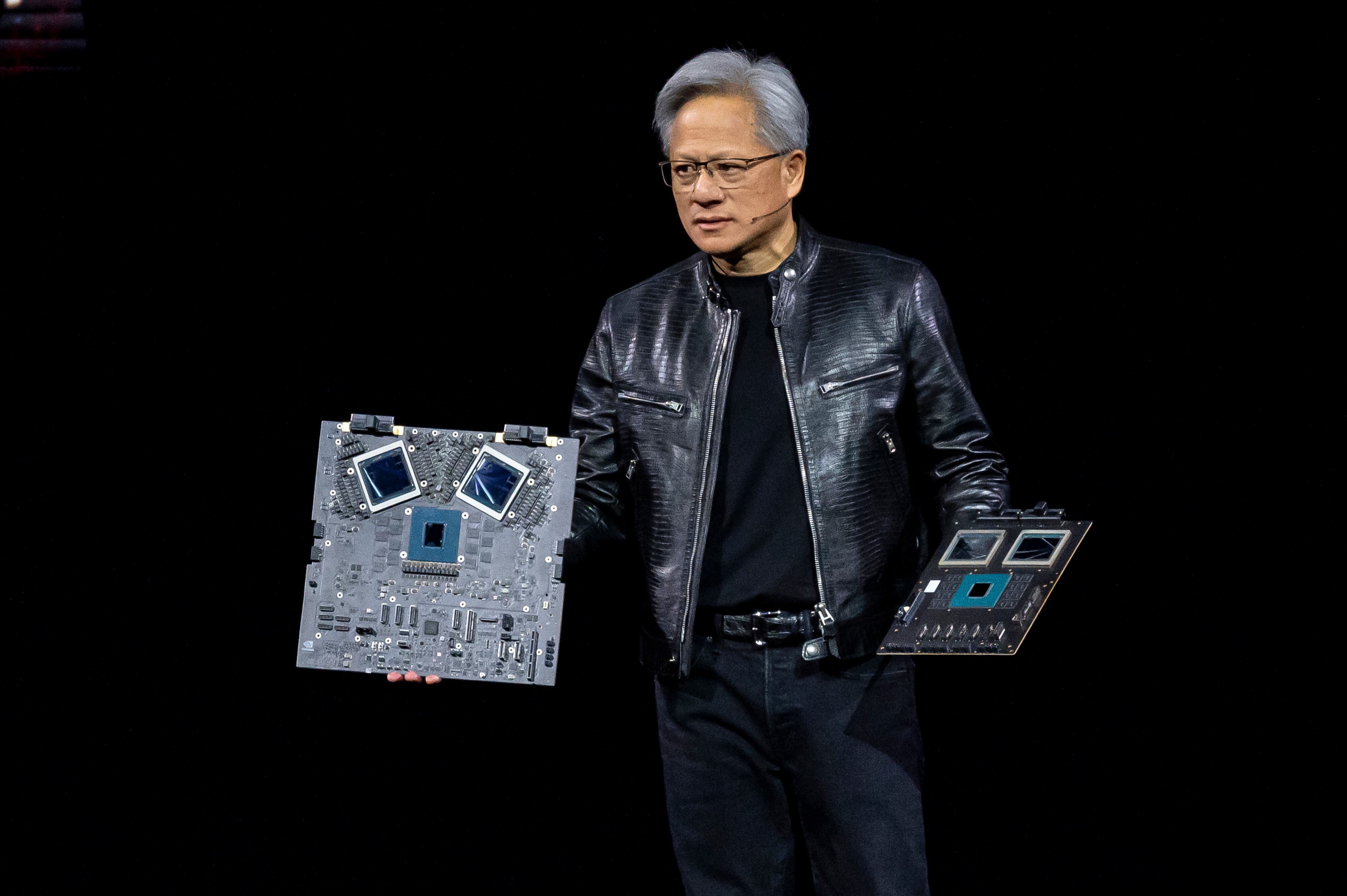
Jensen Huang made personal decisions that had far-reaching impacts on various aspects of life. He admitted to being unfaithful multiple times, even alleging a possible Chinese government spy, which he claimed compromised U.S. national security. While many argued he had ample reasons to denounce him, another perspective exists. The story of a man who worked as a dishwasher and waiter at Denny's before co-founding a company that now stands as a central player in the AI revolution is worth considering.
Over thirty-three years of decisions, risks, successes, failures, and hard work, Huang outperformed the once invincible Intel, leading Nvidia to a valuation equal to the world's second most valuable company. However, the scandal drew focus on his faults, and while it's true that scandal sells, there's an underlying issue that deserves attention, especially for Mexicans - the culture of envy and resentment that is growing as rapidly as Nvidia's success, but instead of wealth and power, it brings poverty and mediocrity.
A quote from British philosopher Luke Brunning, from the University of Leeds, about admiration as an antidote to envy sums it up well. Envy looks at what others achieve and asks, "Why him and not me?" Admiration, on the other hand, observes the same and asks, "How did he do it?" This small difference can make a big difference. The first traps us in comparison and leads to downward comparison, while the second provides reasons to grow, improve, imitate the winner, and achieve greatness.
This is how I understand defending a culture of victory. It's not about applauding success or creating untouchable heroes. It's about recognizing merit without feeling that the shine of others dulls our own. If others can innovate, start businesses, create jobs, or pave the way, perhaps we can try too. Nvidia started by betting on video game graphics; in 1999, they presented the GPU as a piece capable of transforming computing.
In 2006, they launched CUDA, opening their processors to general-purpose calculation tasks. In 2012, these tools helped boost the modern AI revolution. It wasn't a straight line or a stroke of luck, but a long-term bet sustained by entire teams totaling around 42,000 highly competitive people. Mexico needs more of this entrepreneurial spirit and mindset.
More people willing to build and less content to wait for failure. It's hard to imagine a prosperous country if we teach our young people that excelling is a reason for suspicion, while failure is a reason for ridicule. When I see Jensen Huang welcomed back as Chief Advisor to the second most valuable company in the world, surrounded by applause and embraces from his workers, I see a true winner in every sense of the word.
I recall a biblical quote that was one of the lessons my partner taught me to face malicious gossip: by their fruits, you will know them. More Nvidia and less envy, more admiration as an antidote to our own failures.
Rewritten by urgent.news; may contain errors — check the original.
Source: elfinanciero.com.mx