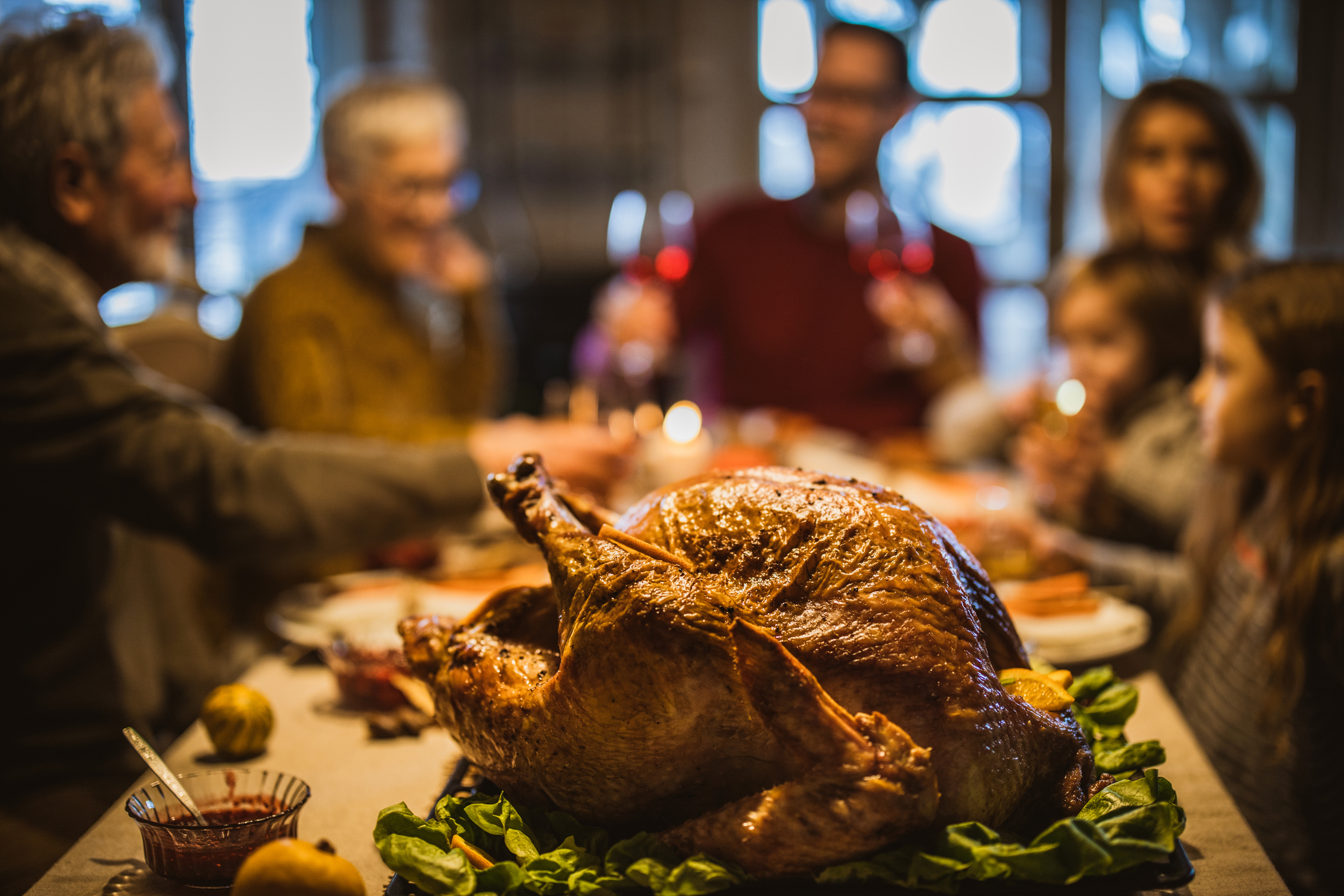
How America broke the turkey
Editor’s note, : This story was originally published on November 22, 2023, and reflects events that took place that year. We’re republishing it in its original form for this year’s Thanksgiving week. Late into the night on November 2, 2023, a few animal rights activists opened an unlocked barn door and stepped foot into a sea […]
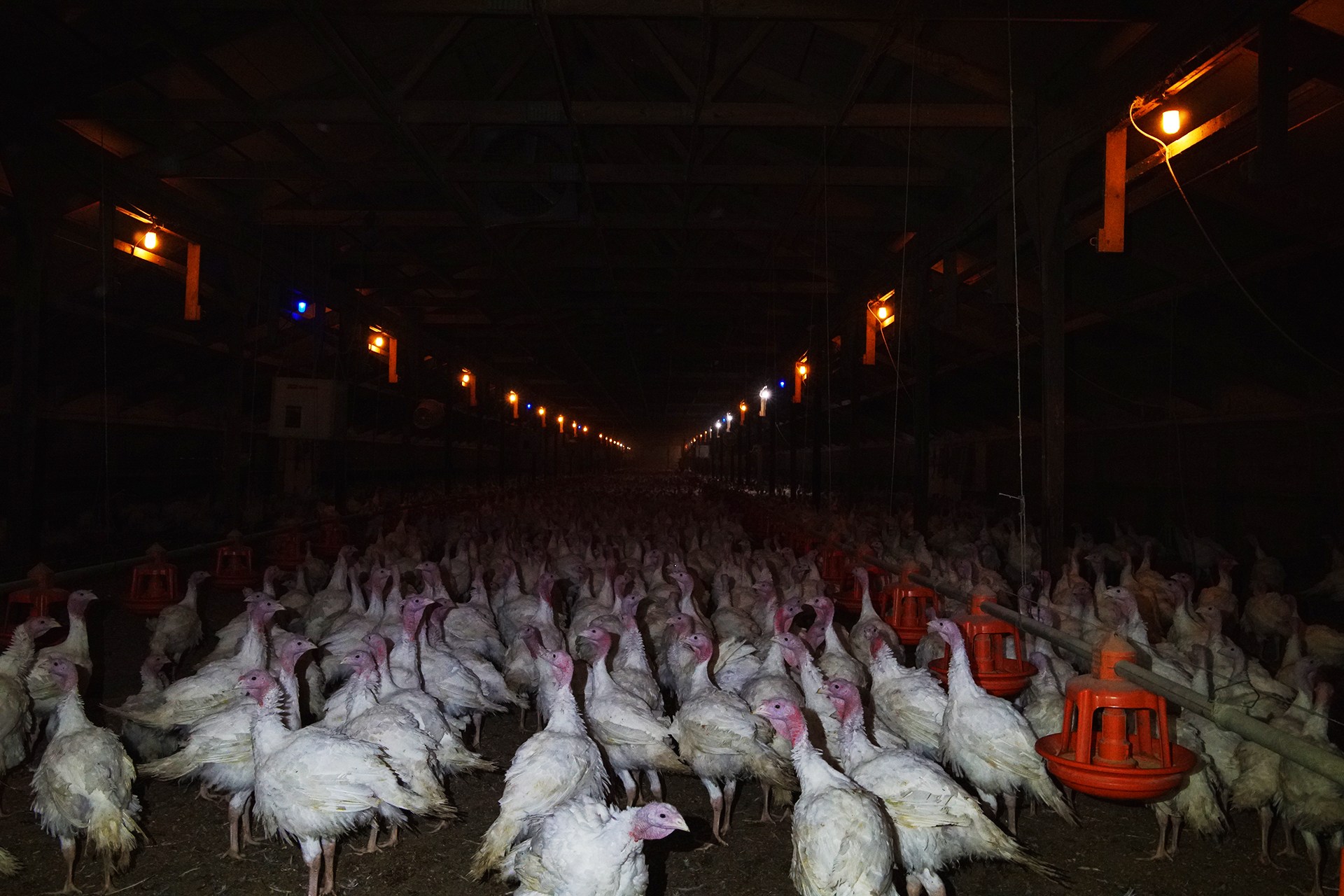
In a factory farm in Owatonna, Minnesota, activists discovered turkeys living in appalling conditions. This was part of an investigation conducted by animal rights advocates into one of America's largest turkey producers, Jennie-O, which supplies the White House for its annual turkey pardon ceremony. The facility raises turkeys in cramped quarters, leading to high disease rates among the birds.
The issue lies both in the farms' overcrowded environments and the biology of the turkeys themselves. To maximize profits, turkey companies have bred turkeys to grow significantly faster and larger than they did in the 1960s. This rapid growth causes numerous health problems, with many turkeys being so top-heavy that they struggle to walk.
During their undercover investigation, the activists documented a multitude of distressing issues, including dead and rotting turkeys, birds unable to walk, live birds pecking at dead ones, and numerous birds with visible wounds from cannibalism. The environment was also unhygienic, with a strong odor caused by the high ammonia levels from the turkeys' waste, which led to eye and respiratory issues for the birds.
One of the activists, Kecia Doolittle, managed to rescue two turkeys, naming them Gabriel and Gilbert. However, Gilbert was in a particularly dire condition, suffering from severe infections, parasites, and wounds. Despite this, Doolittle decided to give Gilbert a chance to recover, treating both birds with antibiotics, pain relief, and antiparasitic drugs.
Veterinarian Sherstin Rosenberg, who reviewed the birds' condition, confirmed that it indicated serious animal welfare problems, a common finding across the turkey industry. This is largely due to the uniform practices and the Broad Breasted White turkey breed, which is used by virtually all turkey producers and has been bred for size and breast meat, often at the expense of the birds' health.
Rewritten by urgent.news; may contain errors — check the original.
Source: vox.com