Connection Must Be More Than a Holiday Tradition
The connection that Thanksgiving creates should inspire us to address the loneliness epidemic, writes Suzanne McCormick.
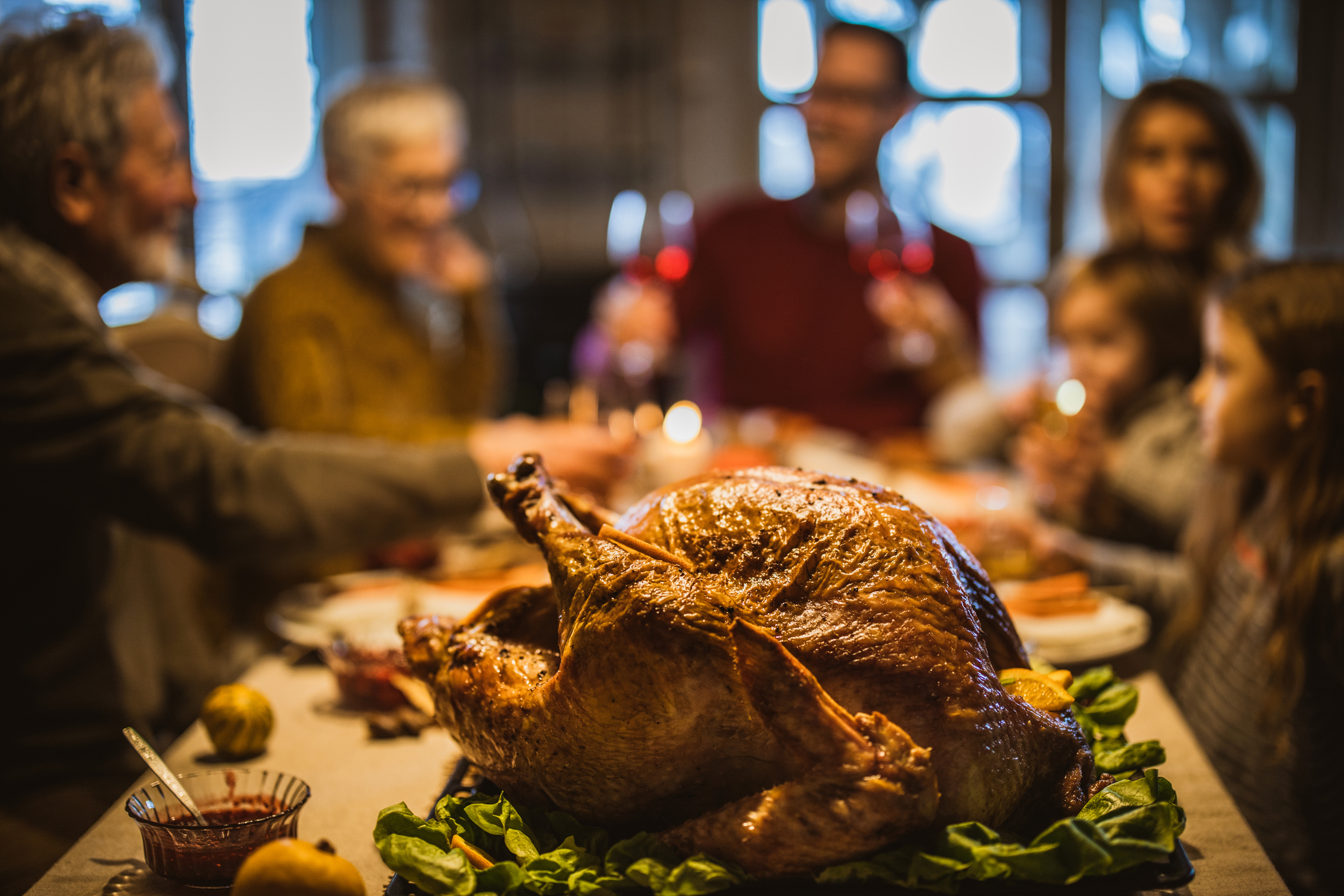
Thanksgiving Day has arrived, and for many, it entails baking turkey and stuffing, enjoying football on TV, and gathering with loved ones around a shared meal. Someone then initiates a tradition – going around the table to express what we are grateful for. As we exchange stories, share milestones, and even acknowledge personal struggles, we forge new connections and feel a stronger sense of camaraderie before indulging in pumpkin pie.
Regrettably, such moments of connection are becoming increasingly scarce. The pervasive issues of loneliness and social isolation have emerged as significant public health concerns in our nation. A recent Social Connection in America™ survey reveals that 40% of Americans experience moderate to severe loneliness. Moreover, a substantial 70% of people only engage with others no more than once or twice a month.
While virtual connections have become commonplace, only 24% of individuals feel that online interactions offer the same level of satisfaction as face-to-face interactions.
As a YMCA leader, I frequently ponder the significance of connection and community, particularly when people lack either. The ramifications are far-reaching and extend beyond feelings of sadness or loneliness. The Centers for Disease Control and Prevention (CDC) links a lack of social connection to heightened risks of heart disease, stroke, type 2 diabetes, dementia, premature death, and other grave health issues.
In 2023, then-U.S. Surgeon General Dr. Vivek Murthy cautioned that America's epidemic of loneliness and isolation poses serious threats to both individual and public health. These alarming trends and consequences align with a retreat from public life. According to a 2025 Report from the Survey Center on American Life, Americans have drastically reduced their time spent in "third places" outside of home and school or work - such as YMCAs, parks, and houses of worship - since the pandemic.
This trend has persisted, and there is no indication that people have fully returned to these shared spaces. Various factors contribute to this decline, including the rise of remote work, increased time spent online, soaring inflation, and the resultant surge in living expenses. As we spend more time at home and engage in less socializing, we miss out on natural opportunities for connection.
These interactions must be actively pursued rather than being a natural part of our daily lives. Fortunately, spaces fostering connection are abundant. The challenge lies in stepping into these environments, opening ourselves to new relationships, and prioritizing our innate need for human connection. In 1851, 175 years ago this December, the YMCA was founded in the United States.
Founded by Thomas Valentine Sullivan, a sea captain and missionary, it aimed to provide sailors and merchants with a safe "home away from home." As communities evolved, so did the YMCA. While programs have changed and expanded, the core mission of creating spaces for support and connection has remained constant. Today, third spaces continue to offer the same sense of community and support essential for thriving.
They forge a deep sense of belonging and shared purpose, often among individuals who might not cross paths otherwise. Over time, a familiar face transforms into a friendship, a class evolves into a community, and a third space feels like a second home. We understand the essential elements of connection - programs that encourage contribution, spaces that facilitate conversation, and staff trained to welcome.
By combining these ingredients, we can create opportunities for growth, relationships, and belonging. Finding the time, resources, or even the courage to try something new can be daunting. However, the benefits of connection are undoubtedly worth the effort. This Thanksgiving, I implore each of us to appreciate the people around us, listen more intently to their stories, share more of our own, and reflect on the profound feeling of truly connecting with another person.
Once the dishes are cleared and everyone departs, let us continue to make an effort. For we need connection, and it must extend beyond being a mere holiday tradition.
Rewritten by urgent.news; may contain errors — check the original.
Source: time.com