US proposes tariffs of up to 18% on Malaysian goods
The proposed duties follow an investigation into Malaysia’s industrial policies and manufacturing practices, which Washington says contribute to excess production capacity.
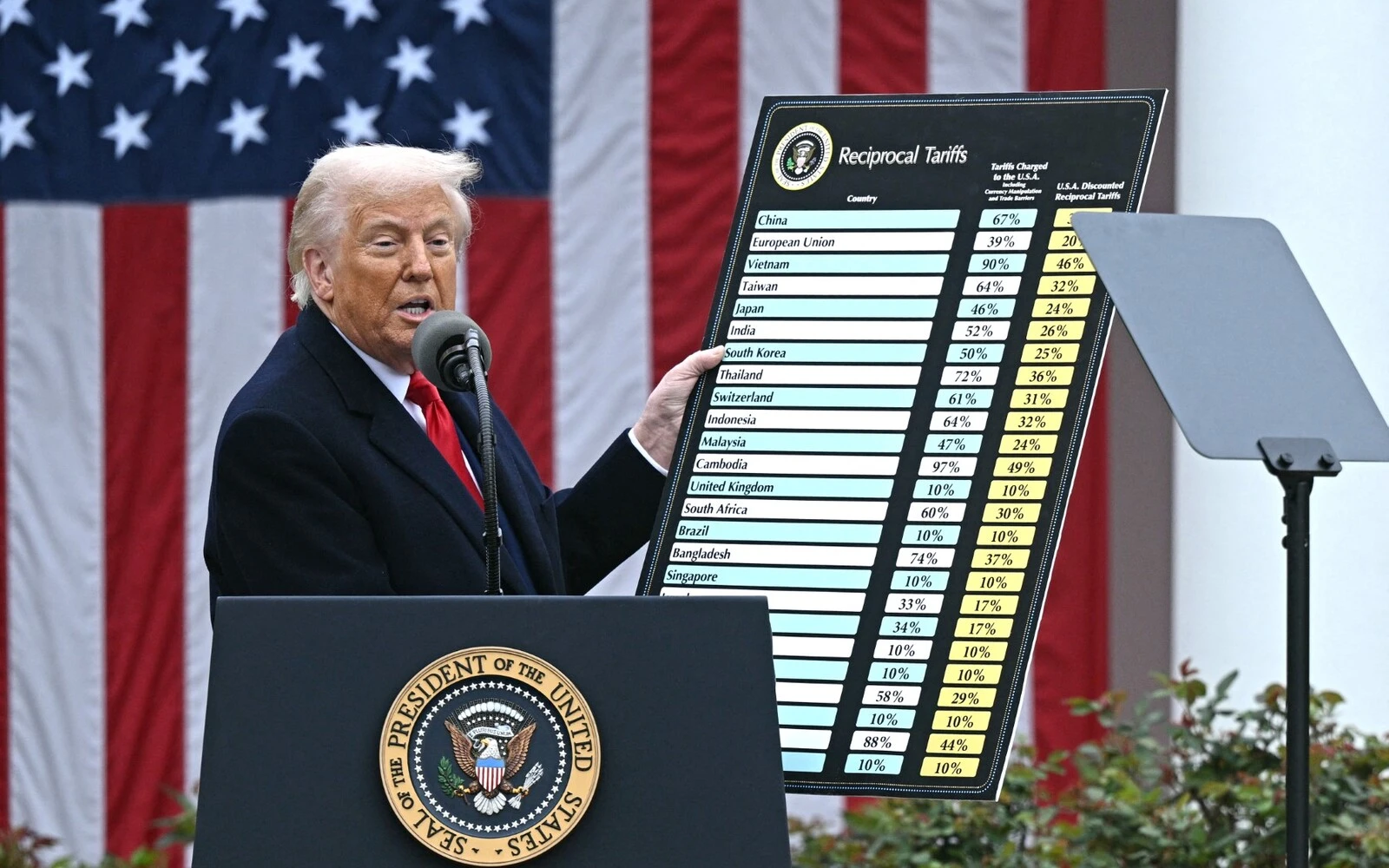
On July 1st, US President Donald Trump implemented tariffs on 60 nations, alleging inadequate efforts to combat forced labor. Kuala Lumpur, Malaysia, is among 14 countries now facing potential tariffs of up to 18% on its goods. The US Trade Representative (USTR) made this proposal following an investigation into Malaysia's industrial policies and manufacturing practices, which the US believes create structural excess capacity and production that hinder American commerce.
The USTR specified four areas of concern: industrial and sectoral plans for expanding manufacturing and exports; preferential financing via national funding programs; insufficient action to tackle excess capacity linked to imports and investments from non-market economies; and inadequate labor protections. The investigation identified the information and communications technology and automotive sectors as particularly problematic.
Malaysia would face these tariffs on top of existing duties where applicable, with exemptions for certain products. The proposed rate accounts for existing duties under Sections 301 and 232, ongoing consultations with Malaysia, and commitments under the US-Malaysia Trade Agreement. However, the USTR is considering tariffs up to 25% if consultations and commitments under the reciprocal trade agreement are deemed unsatisfactory.
USTR Jamieson Greer stated that the measures aim to address unfair trade practices and bolster American manufacturers' competitiveness. He noted that leaders from Presidents Trump and Biden to Chinese President Xi Jinping and French President Emmanuel Macron have recognized the threat structural excess capacity and production pose to the global economy.
Malaysia argues that its trade regime is rule-based and that its manufacturing ecosystem is vital to global and US supply chains. The government maintains that its economic model is market-based and responsive to global demand, while its exports complement rather than compete with US domestic production. The investigation into Malaysia began on March 11, with bilateral consultations on May 12, but these discussions did not resolve Washington's concerns.
Interested parties have until January 5, 2027, to submit written comments and requests to participate in public hearings scheduled to begin on January 25.
Rewritten by urgent.news; may contain errors — check the original.
Source: freemalaysiatoday.com