Salud quebrada: un diagnóstico indispensable
Entre 2004 y 2016, México logró abatir la carencia de aseguramiento en salud de 58.9 por ciento a 8.3 por ciento. Para 2024, la carencia subió hasta afectar al 31.4 por ciento de la población.
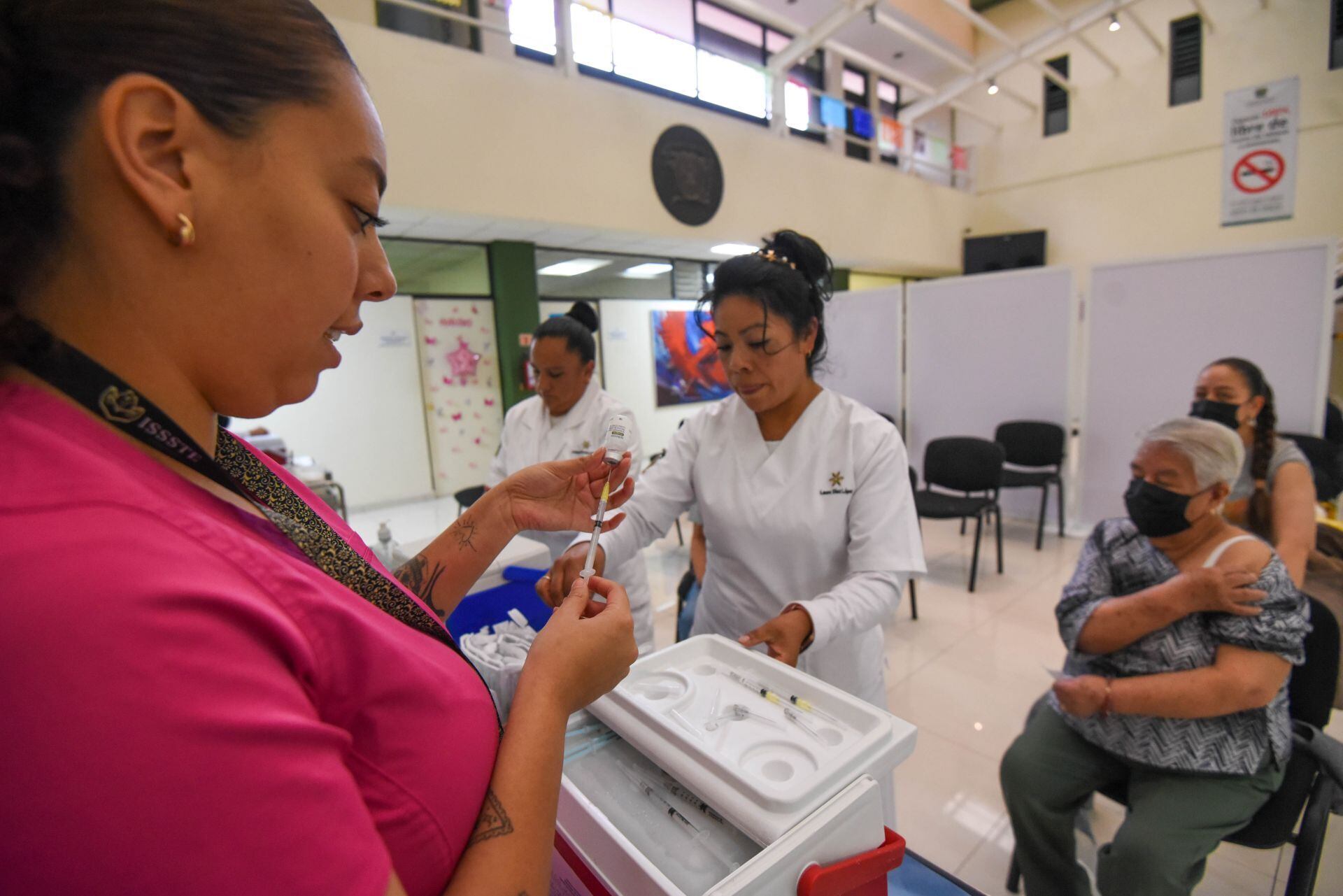
"Salud quebrada: un diagnóstico indispensable" is a critical assessment of Mexico's healthcare system. Prepared by experts from the Colegio de México, the National Institute of Public Health, and the National Institute of Cancerology, the report highlights the sector's budgetary shortages, doctors and nurses' precarious employment, medication and supply shortages, and insufficient service coverage.
These issues have led to catastrophic family expenses, particularly for the poorest. Mexico only allocates 5.5% of its GDP to healthcare, while public spending is only 2.8%, far below the World Health Organization's recommendation of at least 6% of GDP. The country has a fragmented healthcare system, with separate institutions serving formal workers and their families, and the majority of the population.
This results in significant health protection inequality. Mexico has only 130,000 hospital beds, 1.1 per 1,000 people, compared to 4.3 per 1,000 in the OECD. The country employs 2.7 doctors and 2.9 nurses per 1,000 people, compared to 3.7 and 9.2 in the OECD. Doctors' precarious employment increased from 58.7% in 2005 to 75.5% in 2022, while nursing staff increased from 49% to 67%.
49.9% of female doctors earn less than two minimum wages, compared to 10.9% of male doctors. Between 2004 and 2016, Mexico reduced the health insurance gap from 58.9% to 8.3%. However, between 2020 and 2023, the gap increased to affect 31.4% of the population. Between 2000 and 2014, health expense incidence fell from 4.5 to 2.4%.
However, between 2014 and 2024, it increased by 73%, with 5.7 million families incurring catastrophic expenses. Following the Seguro Popular's disappearance, over 30 million people lost health coverage and associated financial protection. Between 2000 and 2018, maternal mortality fell from 59.3 to 44.1 deaths per 100,000 live births.
However, it spiked to 76.4 in 2021, marking a three-decade regression in three years. Maternal mortality rates in social security hospitals increased from 33 to 89.7 deaths per 100,000 live births in 2021. The inequality affects breast cancer patients, with early detection being twice as common in social security institutions compared to open-population institutions and six times more in the private sector.
Avoidable deaths among people under 75 years of age per 100,000 are 222 in the OECD, but more than 400 in Mexico. The avoidable death rate for uninsured populations is 30% higher. Health experts conclude that improvements in the fragmented and unequal healthcare system require a sustained strategy of increased public investment.
The Universal Health Service announced by the current government does not include "new financing methods or additional public funds to ensure its operation." Promises without budgetary commitments remain. The government's refusal to explore a tax reform that expands public spending and investment capabilities leaves the healthcare system's major deficiencies intact.
No social pact for health protection can be achieved without a fiscal pact. However, the government has renounced increasing tax revenue.
Rewritten by urgent.news; may contain errors — check the original.
Source: elfinanciero.com.mx