NASA's nuclear-powered Mars delivery service takes shape
SR-1 Freedom gets a shorter boom and larger antennas, with roughly two years to finish design, construction, and testing
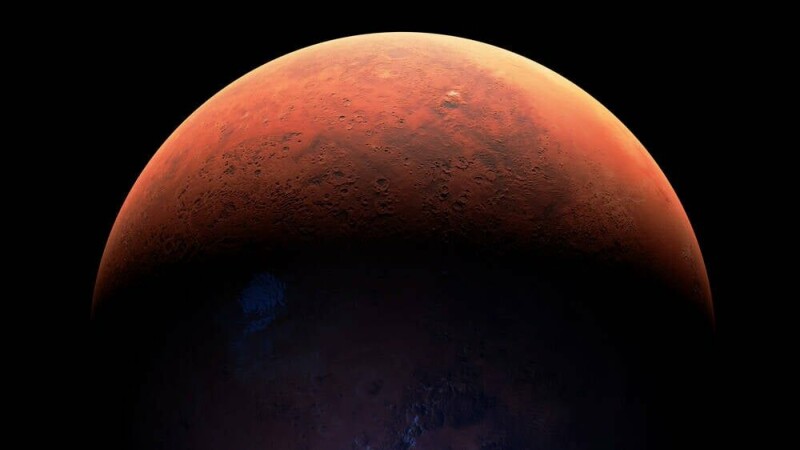
NASA has finalized key design choices for its nuclear-powered Mars delivery mission, Space Reactor-1 (SR-1) Freedom. This spacecraft, set to launch by late 2028, would be the first of its kind to venture beyond Earth's orbit. Its mission is to showcase nuclear electric propulsion and transport a capsule carrying three Mars Ingenuity-class helicopters.
Since the concept was unveiled at NASA's Ignition event in March, several modifications have been made. Enhanced shielding and spacecraft design will enable a shorter boom connecting the reactor to the main body. This design choice will reduce weight, simplify assembly, and streamline the spacecraft's overall design. Additionally, larger X-band antenna dishes will be incorporated to enhance data transmission to Earth.
Certain aspects, such as the number of radiator panels, the power output of the nuclear module, and the reactor's operational duration, remain undecided. Currently, the plan is for the spacecraft to initiate its reactor after exiting Earth's orbit, gradually increasing power. Post-testing, the reactor will be deactivated until after the SkyFall capsule, housing the helicopters, is delivered to Martian orbit.
Solar arrays will provide power during the spacecraft's journey to Mars, and the reactor will be reignited to gather more data on its performance in deep space.
A significant contract worth $39.3 million has been awarded to Johns Hopkins University's Applied Physics Laboratory to develop the heat rejection system for the nuclear power module. NASA emphasizes that refining the spacecraft plans will prioritize risk reduction, simplified design, and on-time execution. However, meeting the late-2028 launch deadline presents a considerable challenge, leaving approximately two years to complete design, construction, and testing.
This tight schedule is further complicated by the fact that NASA's ESA counterpart is also aiming for a late-2028 launch with its Rosalind Franklin rover. Missing the intended Mars departure window could result in SR-1 being postponed to a later launch window, though NASA has not specified an alternative schedule.
Rewritten by urgent.news; may contain errors — check the original.
Source: theregister.com
Other reports of this story
- NASA's nuclear-powered Mars delivery service takes shape theregister.com