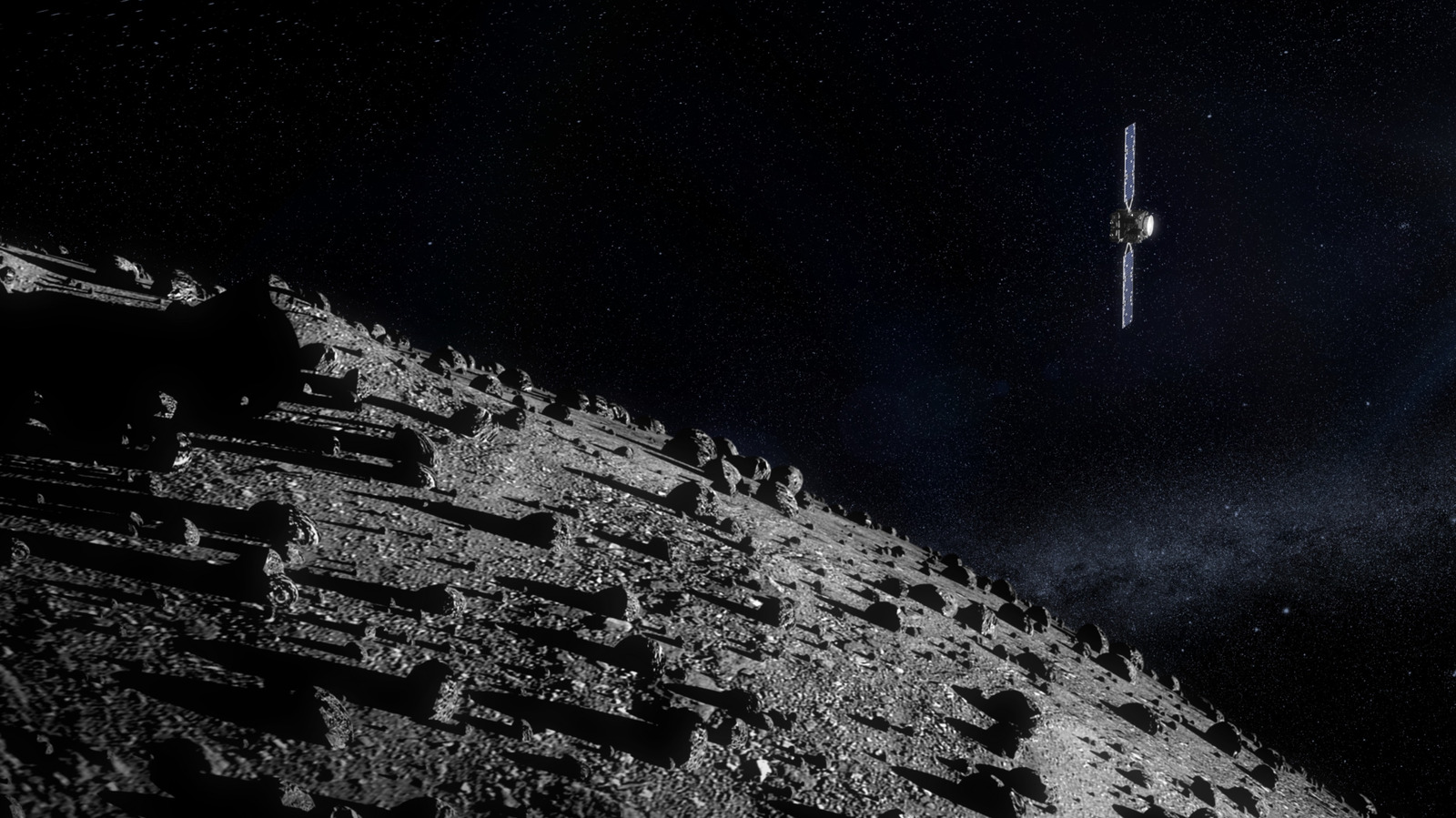
James Webb and Euclid telescopes discover record-breaking black hole at the edge of the universe
Scientists have discovered the earliest-known quasar lurking in the ancient universe — and it's growing at a slower rate than scientists believed possible.
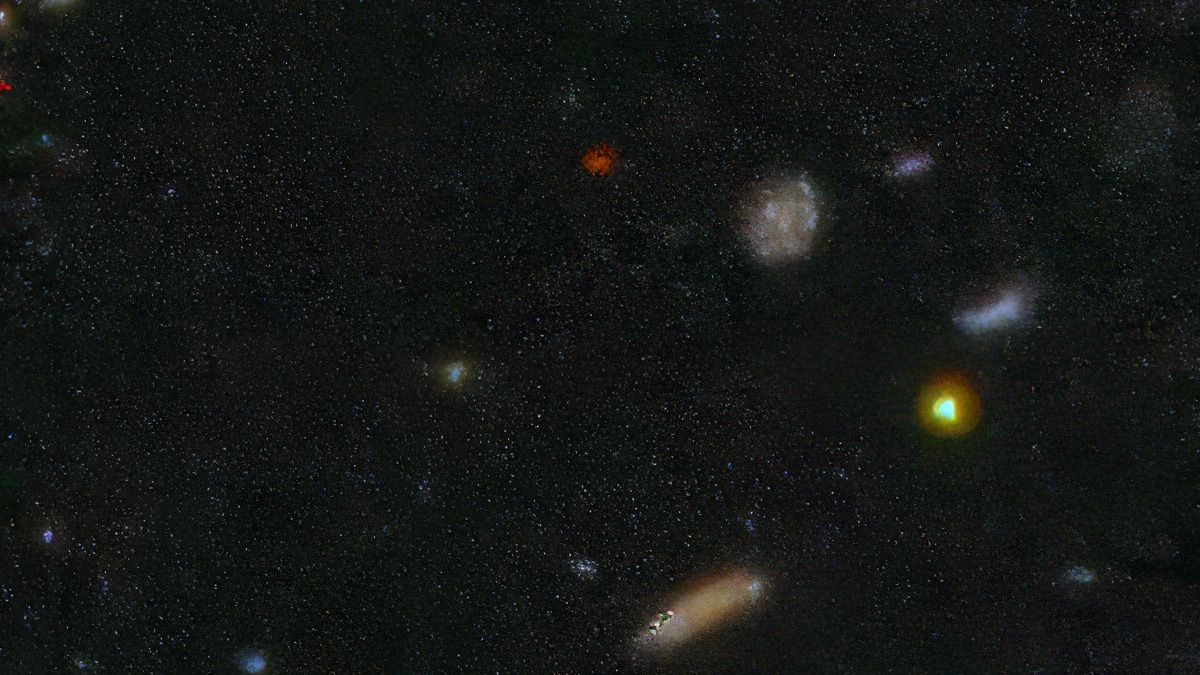
Astronomers have discovered a record-breaking quasar, which is 40 million years older than the previous record holder. The newfound quasar, observed at just 630 million years after the Big Bang, could provide insights into how black holes evolved in the early universe. The object, estimated to have the mass of 360 million suns, was described in a study published in Astronomy and Astrophysics.
Quasars, or quasi-stellar radio sources, are incredibly bright cores at the center of some galaxies, formed when supermassive black holes gobble up nearby matter. They appear brighter than all the stars in a galaxy combined. This ancient quasar was identified during Euclid Wide Survey's sky scan and was named Dún Aonghasa, reflecting its position at the edge of our observational frontier.
Its slow growth rate compared to its large size suggests it experienced a massive growth spurt followed by a slower growth period in the distant past. Future observations from Euclid and James Webb Space Telescope could help test this hypothesis and reveal more about quasar development.
Rewritten by urgent.news; may contain errors — check the original.
Sources: phys.org · livescience.com