HP sees premium-priced AI PCs as its meal ticket in a shrinking market
PC shipments set to fall further thanks to the memory shortage, but high-margin models for AI at the edge keep profits up
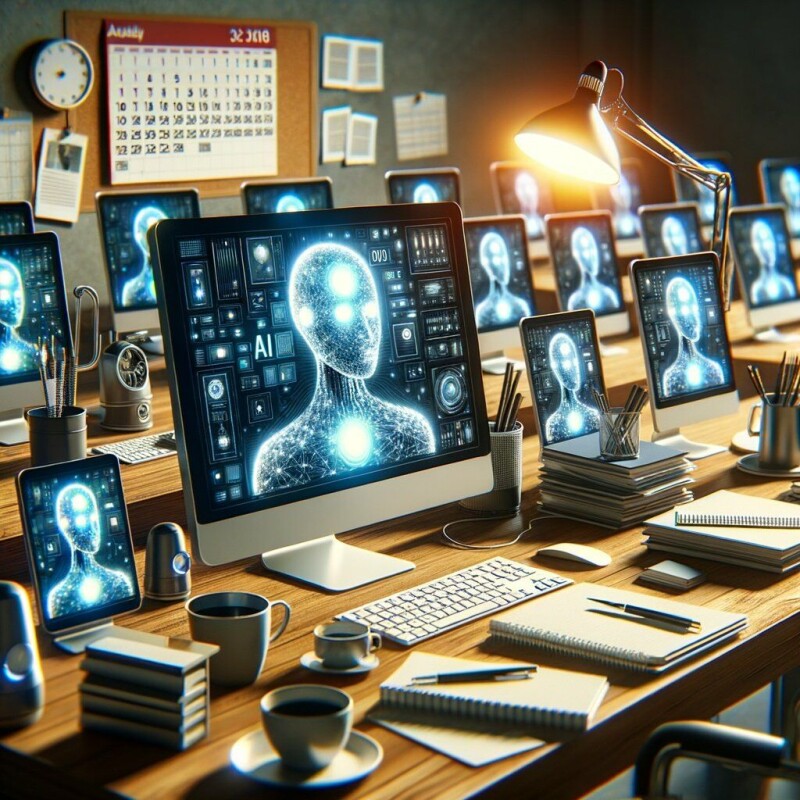
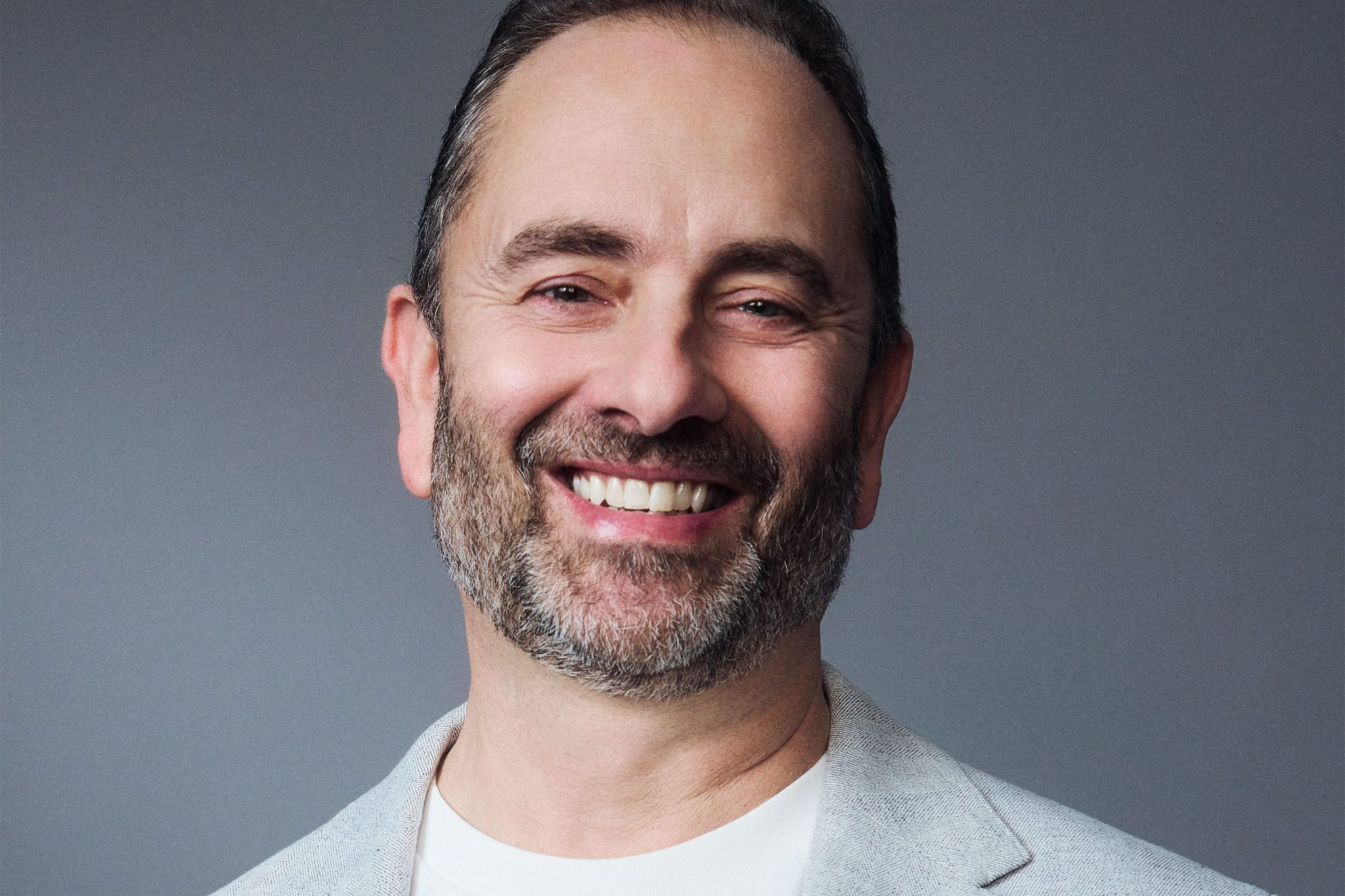
HP Inc. anticipates a contraction of the PC market by a "high single to low double digits" by 2027 due to the memory chip crisis, yet the company believes it can still capture market share by concentrating on high-end categories and AI-powered PCs. Interim CEO Bruce Broussard explained that HP intends to capitalize on the escalating migration of AI workloads to the edge and utilize their established product line designed to accommodate users with more rigorous requirements.
This strategy aligns with the focus highlighted in the previous quarter's earnings call. Broussard emphasized HP's intention to facilitate customers in implementing and managing AI throughout their systems, highlighting the future of AI as hybrid, with workloads executed both in the cloud and nearer to where individuals work and data is generated.
IDC estimates suggest that by 2030, half of enterprise AI inference workloads will be processed on endpoints or edge nodes. HP has shipped half a billion devices, demonstrating deep expertise in device performance, security, and management across large scales. Q4 of fiscal year 2026 saw HP's revenue at $16 billion, marking a 9.3 percent increase compared to the previous year.
Full-year revenue for fiscal 2026 reached $60 billion, reflecting a 9.5 percent increase. The growth was fueled by Personal Systems, which experienced a 14 percent surge in revenue from commercial and advanced computing sales, with AI PCs accounting for nearly 60 percent of HP's shipments during the quarter. Despite higher component costs and a challenging pricing environment, primarily in the consumer sector, Broussard acknowledged that profitability faced pressure.
Like its competitors, HP is banking on higher-margin premium models and establishing long-term agreements with memory chip manufacturers to secure supplies. Nikkei Asia revealed that HP is among the companies purchasing limited quantities of memory from China's ChangXin Memory Technologies (CXMT). When asked if HP intended to procure additional memory chips from China, CFO Karen Parkhill refrained from providing a direct answer, stating, "We don't anticipate any significant changes in our suppliers at the moment.
We are confident in our current suppliers and the supply we have to meet this year's demand." Parkhill acknowledged that both memory and storage costs are expected to rise but at a slower pace than during the previous fiscal year. CPU costs, although anticipated to increase, are projected to rise less significantly than memory and storage costs.
Broussard predicts that Q4 will be the lowest point for Personal Systems margins, with enhanced margins resulting from optimized product designs and component configurations. In February, HP disclosed that memory and storage costs had risen from 15 to 18 percent of the PC bill of materials at the beginning of the year to approximately 40 percent.
Parkhill declined to update the specific percentage, citing the moderating cost trends and evolving production mix, deeming the bill of materials percentage less informative. HP's newly appointed CEO, Emma Walmsley, a former GSK executive, is set to begin her tenure on January 4, guiding the company through the ongoing uncertainty in the PC industry.
Rewritten by urgent.news; may contain errors — check the original.
Source: theregister.com