HP sees premium-priced AI PCs as its meal ticket in a shrinking market
PC shipments set to fall further thanks to the memory shortage, but high-margin models for AI at the edge keep profits up
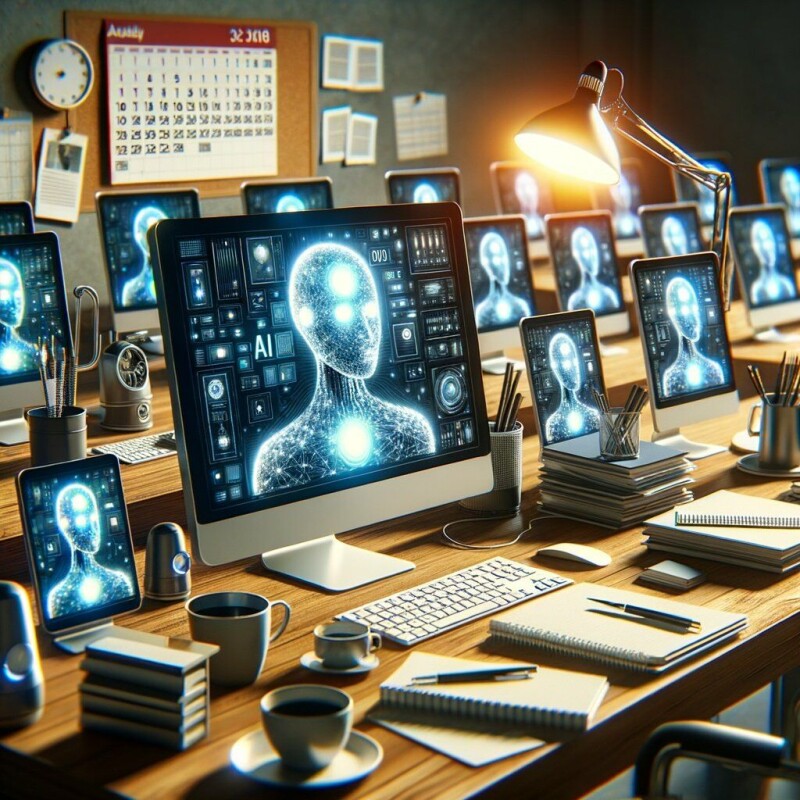
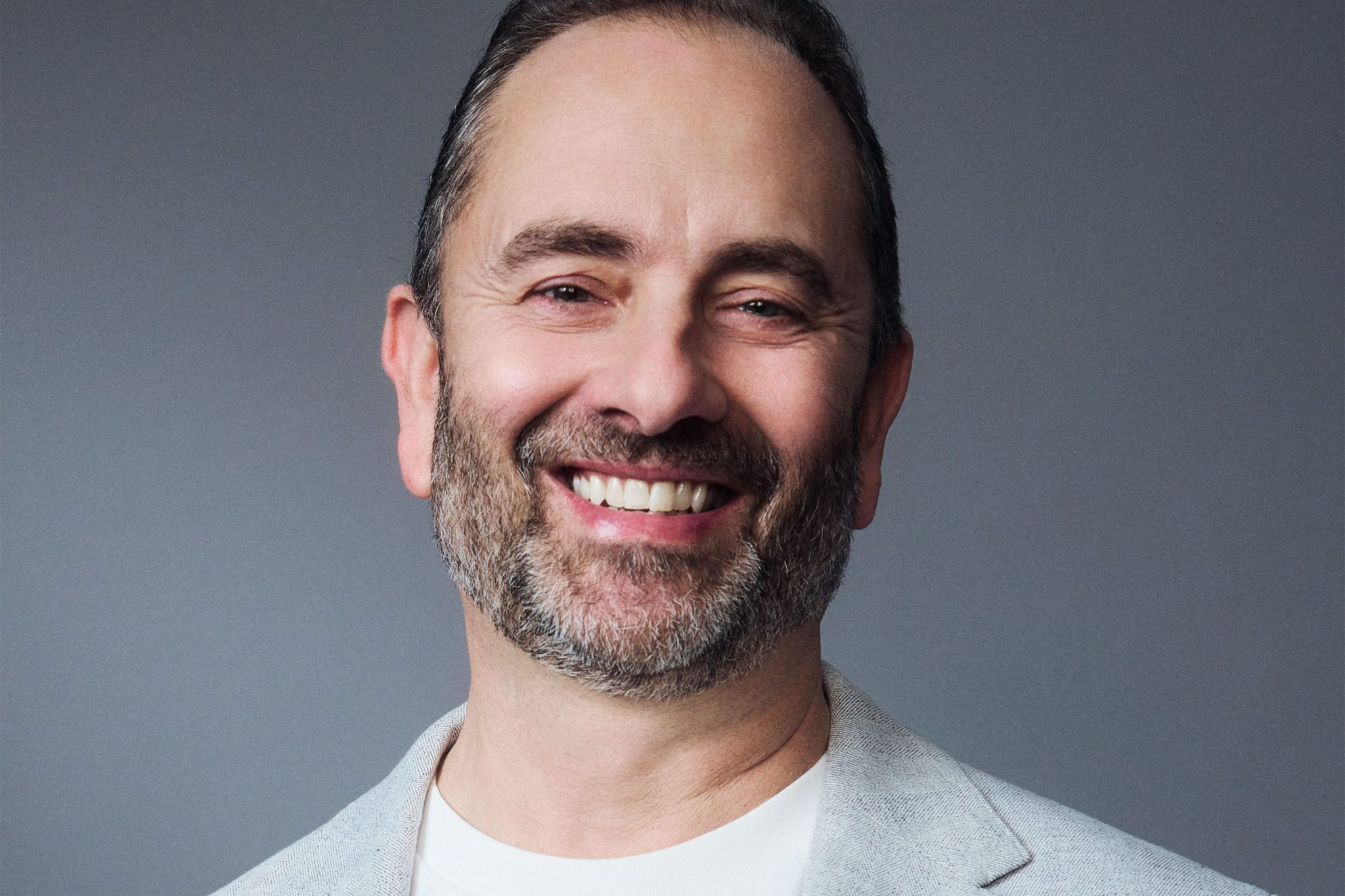
HP Inc. anticipates a decline in the PC market by "high single to low double digits" in 2027 due to the memory chip crisis, yet the company remains optimistic about expanding its market share in premium categories and AI PCs. Interim CEO Bruce Broussard stated that HP aims to capitalize on the increasing shift of AI workloads to the edge and utilizes its industry-leading portfolio designed for users with more demanding workloads.
This approach aligns with the company's previous earnings call. Broussard highlighted IDC estimates indicating that half of enterprise AI inference workloads will run on endpoints or edge nodes by 2030, emphasizing HP's deep expertise in device performance, security, and management at scale with half a billion devices shipped. The company's fourth quarter revenue, for the period ending October 31, was $16 billion, reflecting a 9.3 percent increase year-on-year, while full-year fiscal 2026 revenue grew by 9.5 percent to $60 billion.
Personal Systems, encompassing printers, contributed to the revenue growth, with a 14 percent increase driven by commercial and advanced compute sales, and AI PCs accounting for nearly 60 percent of HP's shipments in the quarter. However, higher component costs and a challenging pricing environment, especially in the consumer segment, negatively impacted profitability, according to Broussard.
The company is relying on higher-margin premium models and long-term agreements with memory chip manufacturers to secure supplies. Nikkei Asia mentioned HP among the firms acquiring a limited amount of memory from China's ChangXin Memory Technologies. When asked about potential procurement of more Chinese chips, HP's CFO Karen Parkhill responded that they currently do not anticipate significant changes in their suppliers, expressing confidence in the existing suppliers and the current supply to meet demand for the year.
Parkhill acknowledged that memory, storage, and CPU costs are expected to rise but at a slower pace compared to previous fiscal years, with the information considered in the company's outlook. Broussard expects the fourth quarter to mark the lowest point for Personal Systems margins, anticipating improvement through further optimization of product design and component configurations.
In February, HP reported that memory and storage costs had increased from 15 to 18 percent of the PC bill of materials at the start of the year to around 40 percent, though Parkhill declined to disclose the updated figure, stating that cost curves and production mix changes make the bill of materials percentage "less useful." HP's newly appointed CEO, former GSK CEO Emma Walmsley, is set to begin her role on January 4, steering the company through the ongoing uncertainties in the PC industry.
Rewritten by urgent.news; may contain errors — check the original.
Source: theregister.com
This story
This is one outlet's version. Read the fullest account.