FCC clears SpaceX to put up to 1 million AI satellites in orbit
The FCC approved SpaceX’s plan for up to 1 million Starmind satellites. Here’s how its space-based AI data centers would work and why astronomers object.
The Federal Communications Commission (FCC) has granted SpaceX conditional permission to launch up to 1 million artificial intelligence (AI) satellites for its Starmind project, a network of orbital data centers designed to process information for use on Earth. This marks the first such authorization in U.S. history for a constellation of data centers in space.
SpaceX aims to begin manufacturing satellites in late 2027, with the Federal Communications Commission (FCC) expecting the first satellite to be operational by Nov. 25, 2033. By 2038, the FCC anticipates 500,000 satellites functioning, and the complete million by Nov. 2040. The launch process will likely utilize SpaceX's Starship rocket, which is capable of carrying heavy satellites into orbit in large numbers.
Each satellite would carry AI chips, solar panels for power, and radiators to dissipate the generated heat. To transmit data between satellites, they would use lasers, sending results back to Earth via Starlink. In August 2023, Nvidia confirmed SpaceX's intention to adapt its Vera Rubin computing system for the initial generation of satellites, incorporating the first CPU built for AI agents into the ambitious AI deployment.
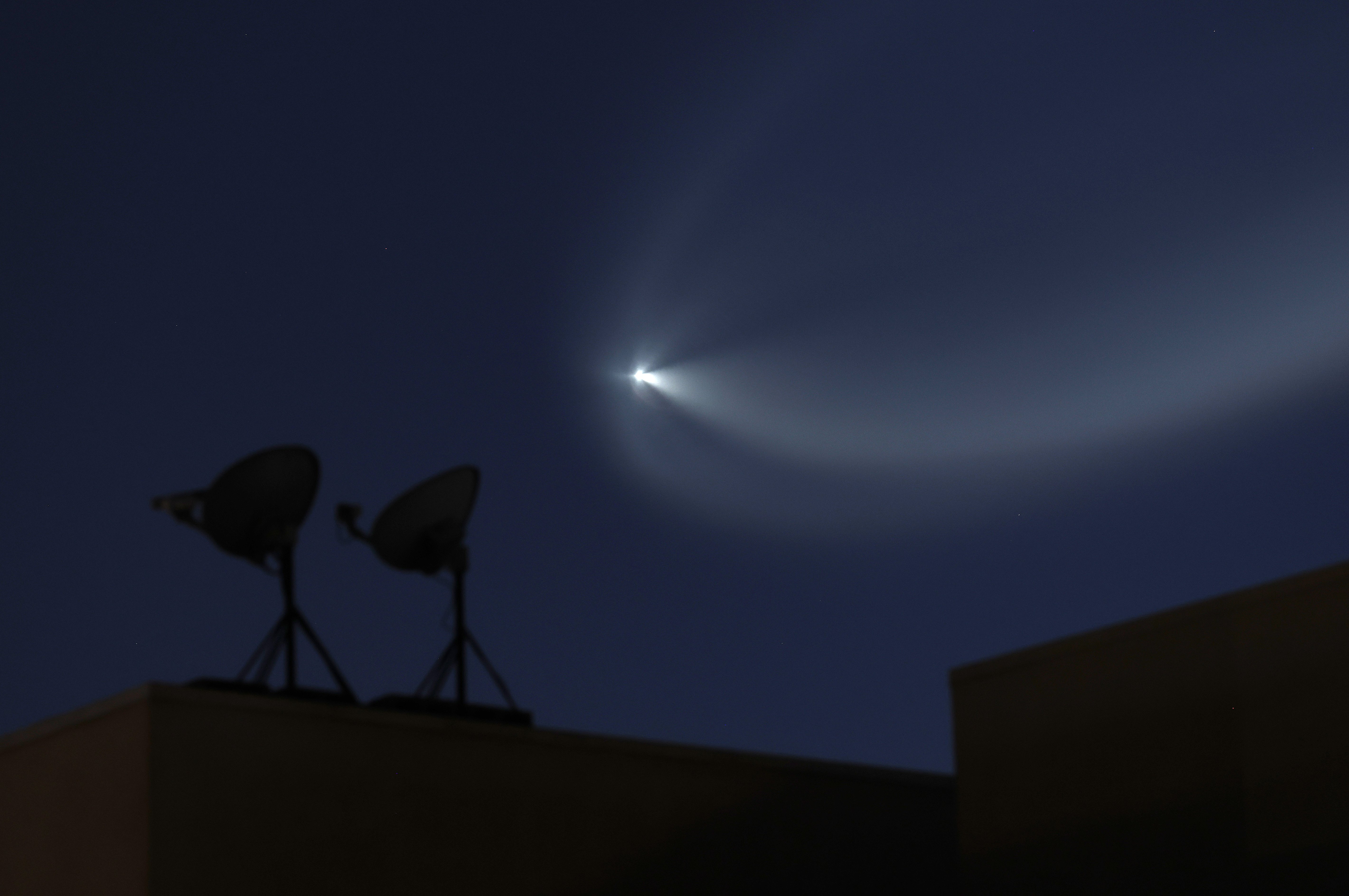
The deployment of such a vast number of satellites could have implications for the night sky, potentially making them visible to the naked eye and posing challenges for telescope observations. However, SpaceX has committed to collaborating with the National Science Foundation to address concerns raised by the astronomical community.
SpaceX's launch schedule is ambitious, requiring the deployment of half a million satellites by November 2038, followed by another half million within two years.
Rewritten by urgent.news; may contain errors — check the original.
Sources: cointelegraph.com · space.com · qz.com · hindustantimes.com · mashable.com · techcrunch.com
Also reported by 5 other outlets
- FCC approves SpaceX plan to launch up to 1 million AI data centre satellites in space: Report hindustantimes.com
- Green light for Starmind: SpaceX gets approval to deploy 1 million AI satellites space.com
- FCC approves SpaceX plan to put AI data centers in space techcrunch.com
- FCC authorizes SpaceX to deploy 1M satellites for orbital AI data centers cointelegraph.com
- FCC gave SpaceX the green light for up to 1 million orbital AI data centers qz.com