Yen, Swiss franc gain as dollar slips in volatile AI-driven session
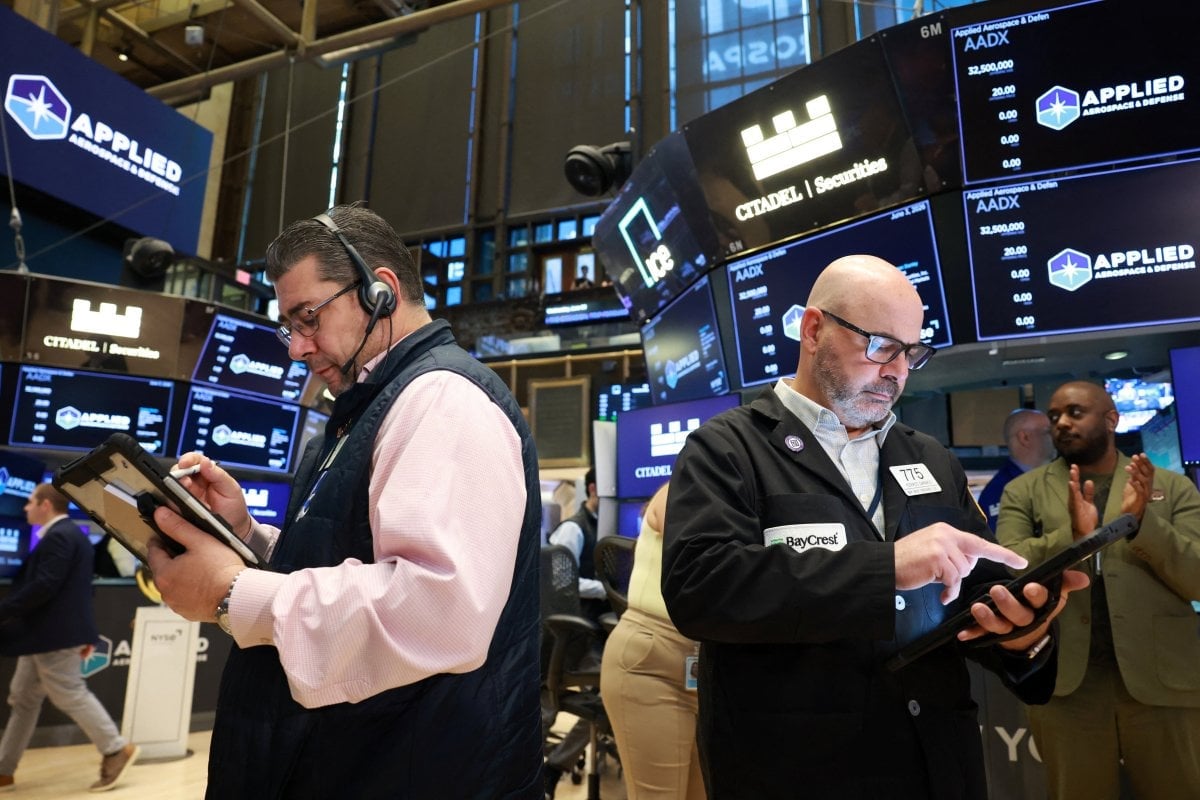
On Wednesday, the Japanese yen and Swiss franc surged while the US dollar declined during a turbulent day, as artificial intelligence-linked stocks plummeted before recovering much of their earlier losses. The tech-heavy Nasdaq Composite fell approximately 4% due to a renewed selloff in AI-related stocks, only to rebound slightly, ending the day down around 0.6%.
Adam Button, chief currency analyst at investingLive, suggested that the market rally might be a short-covering response to the holiday-shortened week, though he also viewed it as a sign of market vitality. Most US markets would be closed on Thursday for Thanksgiving Day. The US currency initially benefited from the risk-off trend, but later experienced a drop.
The dollar index, which gauges the greenback's value against a basket of currencies such as the yen and the euro, fell 0.22% to 103.62, with the euro climbing 0.17% to $1.0983. The greenback has historically served as a safe-haven currency during stock market downturns, but its value is also influenced by capital flows and growth expectations tied to the AI trade.
The Japanese yen rose 0.06% against the dollar to 159.13 per dollar. The US dollar weakened 0.63% against the Swiss franc, with the greenback's value decreasing to 0.83. Traders are closely monitoring potential additional interest rate hikes from the Federal Reserve, given the persistent inflation issues. October saw a further rise in US inflation, with the Personal Consumption Expenditures Price Index increasing 0.3% in October after an unrevised 0.5% growth in September.
Excluding volatile food and energy components, the PCE Price Index still rose 0.3% from September. Inflation expectations have decreased recently as oil prices fell. "The bigger question will be where you think terminal rates will land," said Sarah Ying, head of FX strategy at CIBC Capital Markets. "That's why you see a bit more five-year outperformance versus two years, as most of the answer lies in the outer years, not the near future."
The US yield curve between 2- and 5-year Treasury notes flattened to around 2 basis points, down from as steep as 27 basis points last month, as expectations of further rate hikes affect the interest-rate-sensitive 2-year yields. Meanwhile, the proposed new tariffs on goods from 14 major trading partners by the Trump administration on Wednesday, aimed at addressing what it perceives as structural excess industrial capacity, primarily targeting China, had little impact on the market.
China dismissed the accusations, asserting its exports reflect competitive advantages. These tariffs largely stick to the rates set with trade deals, according to US Trade Representative Jamieson Greer, with some potentially increased by a few percentage points. The tariffs were anticipated and thus had no market impact, according to Ying.
Elsewhere, the European Central Bank's policymaker Olaf Sleijpen indicated that a rate hike in December is probable, though the future course remains uncertain. Bank of England Governor Andrew Bailey suggested that UK inflation might not rise as much as initially projected if international energy prices stabilize following recent declines.
In Japan, a key indicator of service-sector inflation rose 4.2% in October compared to the same month last year, signaling growing price pressure and supporting the case for an early interest rate increase by the central bank. In the cryptocurrency market, Bitcoin increased 0.33% to $60,050.
Rewritten by urgent.news; may contain errors — check the original.
Source: investing.com