David Fincher Explains AI Use in ‘Cliff Booth’ and How AI Can Be Used on Film Sets to Reduce The Amount of Takes but Still Have ‘Real Human Beings’
David Fincher admitted in an interview published Wednesday that some AI was used in the post-production of “The Further Mis-Adventures of Cliff Booth,” but that it was all done to enhance the work of “real human beings.” Fincher appeared on The Ringer’s “Big Picture” podcast, where he told host Sean Fennessey that AI helped sync the best […]
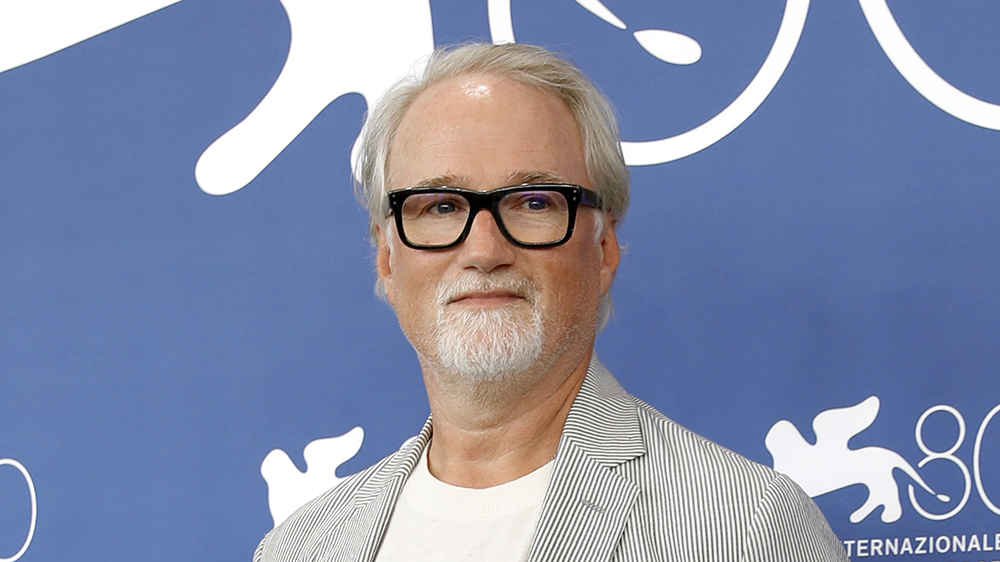
David Fincher, the acclaimed director of films such as "Zodiac" and "Social Network," recently shared his thoughts on the use of artificial intelligence (AI) in filmmaking during a recent episode of the "Big Picture" podcast. He believes that AI can streamline the filmmaking process without compromising the human element that makes cinema unique.
Speaking about the repetitive aspects of film production, Fincher envisions a future where human artists, such as sculptors, painters, and makeup artists, work alongside AI. He suggests that the AI could handle tasks like capturing surface details, lighting, and even the actors' movements, while the real humans focus on the core performances.
Fincher acknowledges that the demand for multiple takes is a common criticism of his filmmaking style in films like "Zodiac," "The Social Network," and "Gone Girl." By using AI, he claims that he would not need to repeat scenes multiple times, as the technology can ensure perfect focus, lighting, and other nuances. This approach would still involve real human actors, who would only need to perform their roles a limited number of times.
Fincher's comments about AI in filmmaking come amid mixed reactions to his latest project, "The Further Mis-Adventures of Cliff Booth." While some attendees at early screenings expressed concerns about the film's use of AI, Fincher remains open to embracing the technology. He emphasizes that he is not a Luddite and believes that AI is here to stay.
Fincher's support for AI in filmmaking stands out among other Hollywood filmmakers, who have either rejected or questioned the technology's role in the industry.
Rewritten by urgent.news; may contain errors — check the original.
Sources: thewrap.com · variety.com
This story
This is one outlet's version. Read the fullest account.