BoE/Bailey: Enflasyon beklenenden düşük seviyede zirve yapabilir
İngiltere Merkez Bankası Başkanı Andrew Bailey, petrol ve doğalgaz fiyatları mevcut seviyelerinde kalırsa enflasyonun tahmin edilenden daha düşük bir seviyede zirve yapabileceğini söyledi.
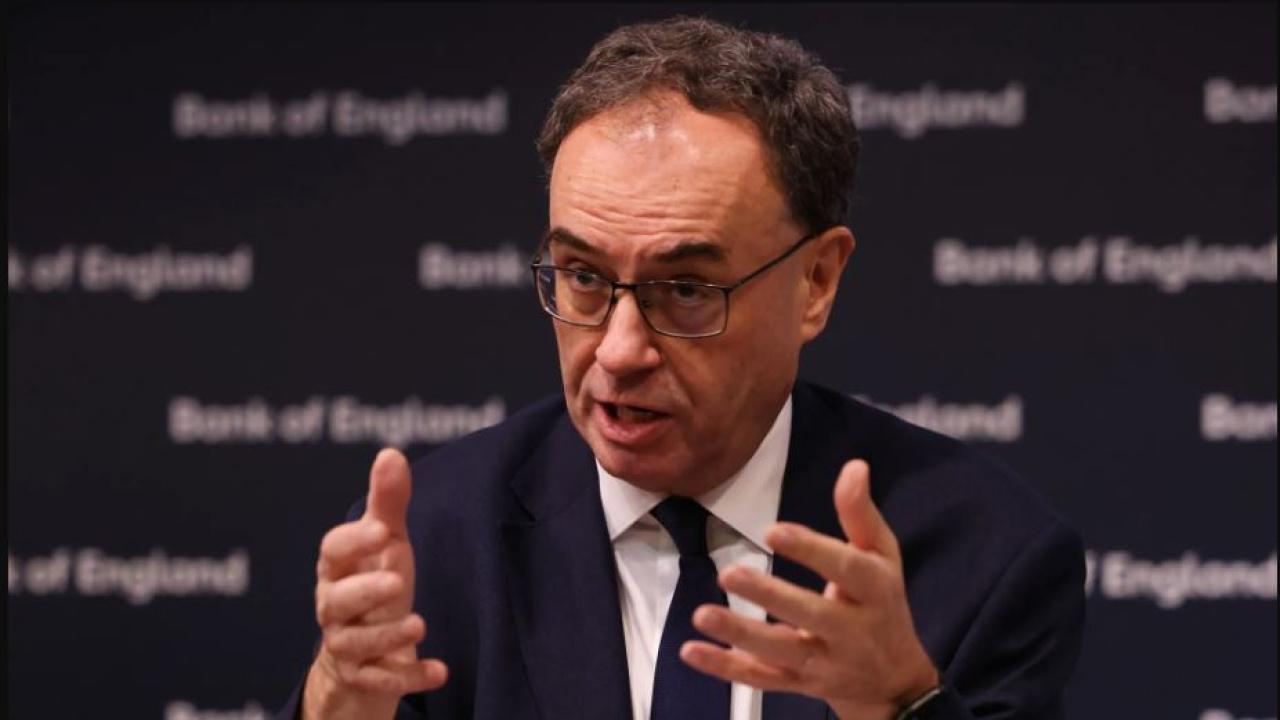
Bank of England (BoE) President Andrew Bailey has stated that inflation could peak at a lower rate than initially predicted if oil and natural gas prices remain at their current levels. Speaking at the UK Parliament's Treasury Committee, Bailey reported that oil prices had dropped by approximately 10% and natural gas prices by about 4% since the Bank's November forecast.
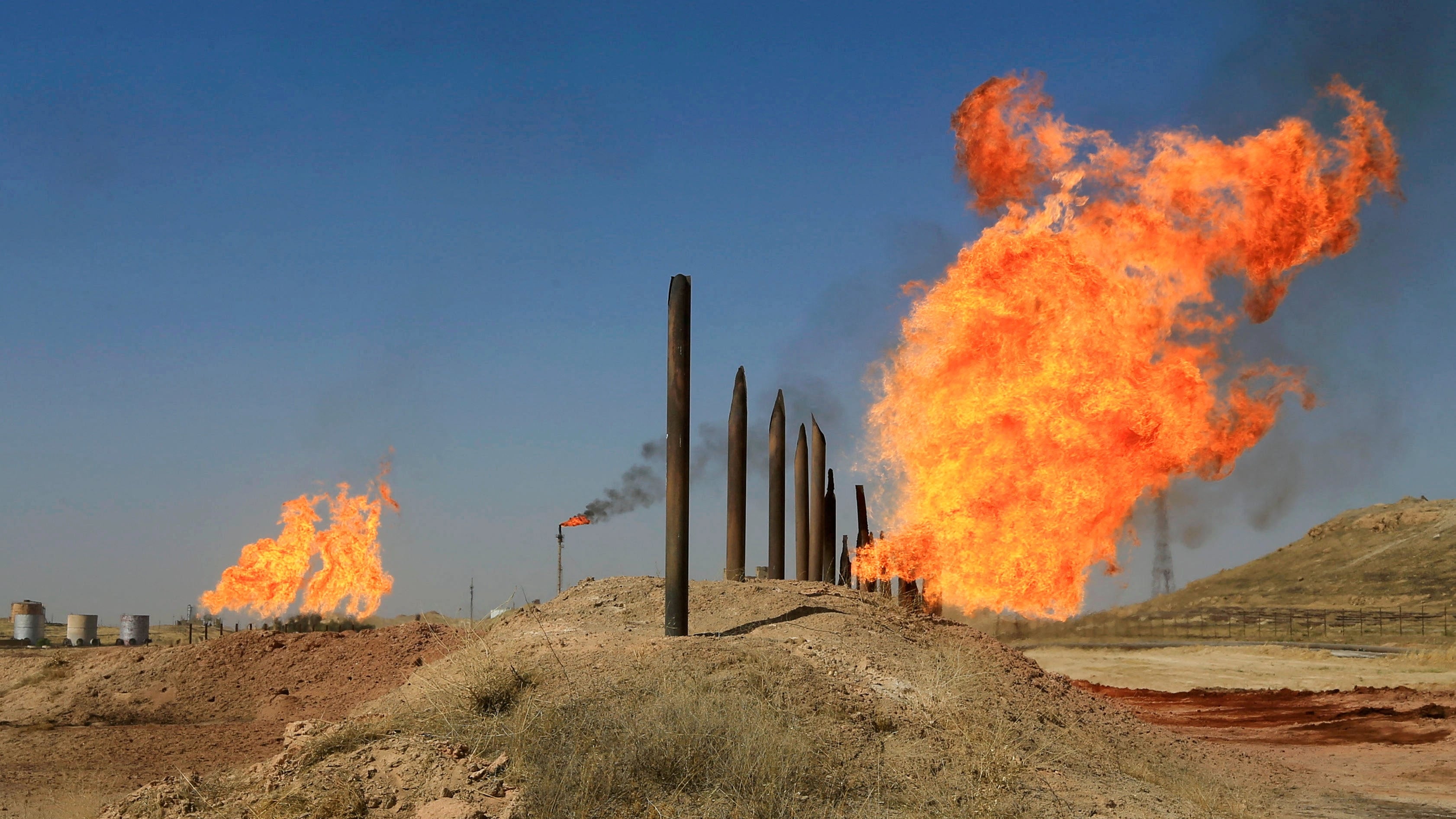
He emphasized that if energy prices stay at their current levels, the inflation peak would be lower. Bailey's attention was drawn to the volatility of oil flow through the Hormuz Strait. However, he acknowledged the difficulty in predicting its future trend. Bailey also highlighted that prices for refined products, such as motor fuels, should be tracked separately from crude oil prices.
The Russian-Ukrainian war and China's imposed restrictions on refined product exports have impacted prices, according to Bailey. He stressed the limited production capacity of Europe's engines. Bailey noted that rising energy costs have not yet significantly affected other prices. He stated that the British economy is proving more resilient than anticipated and that slack in the labor market has stabilized.
BoE Deputy Governor Clare Lombardelli indicated that food inflation is expected to reach around 5% next year. The Bank's next interest rate decision is scheduled for December 17, with a previous increase in policy rates by 25 basis points to 4% on November 5. The Bank had attributed this interest rate hike to rising energy prices due to conflicts in the Middle East.
A Monetary Policy Report released on the same day projected that annual inflation would reach an average of 4.9% in the second quarter of 2027. The Bank suggested that inflation would ease as energy prices stabilize. According to UK National Statistics Office data, annual inflation was 3.5% in September and rose to 3.6% in October, mainly driven by increases in fuel and transport costs.
The largest contributor to the increase was the price of gasoline. The Bank will explain its next interest rate decision on December 17.
Rewritten by urgent.news; may contain errors — check the original.
Source: bloomberght.com