Teams Lock in Mission Architecture for NASA’s SR-1 Freedom
NASA completed a major review for Space Reactor-1 (SR-1) Freedom and locked in key elements of the spacecraft, which is targeted to launch in 2028 and demonstrate nuclear electric propulsion in deep space for the first time. Experts from across the agency, the U.S. Department of Energy (DOE), and industry met at NASA’s Glenn Research […]
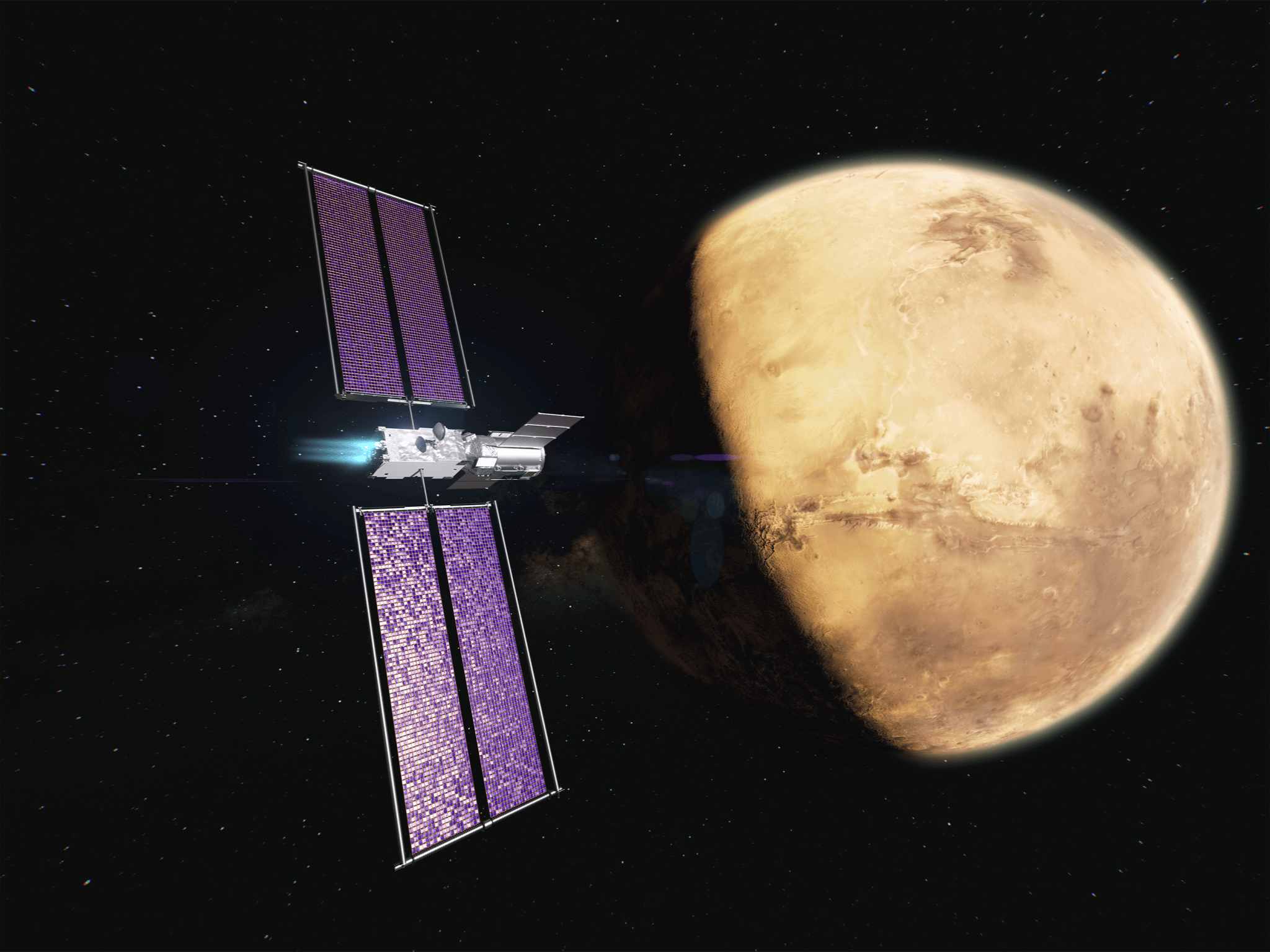
NASA has finalized key elements of the Space Reactor-1 (SR-1) Freedom, the first fission-powered spacecraft to travel beyond Earth orbit, with a targeted launch date of 2028. The spacecraft will demonstrate nuclear electric propulsion in deep space for the first time, using both nuclear and solar power to deliver SkyFall, a capsule carrying three next-generation helicopters, to Mars.
The mission will pave the way for reliable surface power systems to support future Moon Base and enable exploration deeper into the solar system. A significant design decision includes using a shorter boom to separate the reactor from the spacecraft's main body, which will reduce weight, simplify assembly, and streamline the spacecraft's design.
Brief written by urgent.news; may contain errors — check the original.
Source: nasa.gov
This story
This is one outlet's version. Read the fullest account.