OpenAI published its AI progress meter to encourage a slowdown. It won’t work
Though it’s been lost amid the Jensen Huang drama at Nvidia, OpenAI made a startling revelation on Sunday. In an essay , the firm’s chief scientist, Jakub Pachocki, made an overture to rival AI labs to agree on ways to slow down the development of new models. But with billions at stake and companies racing for enterprise customers, there’s little reason to believe anyone will hit the brakes.…
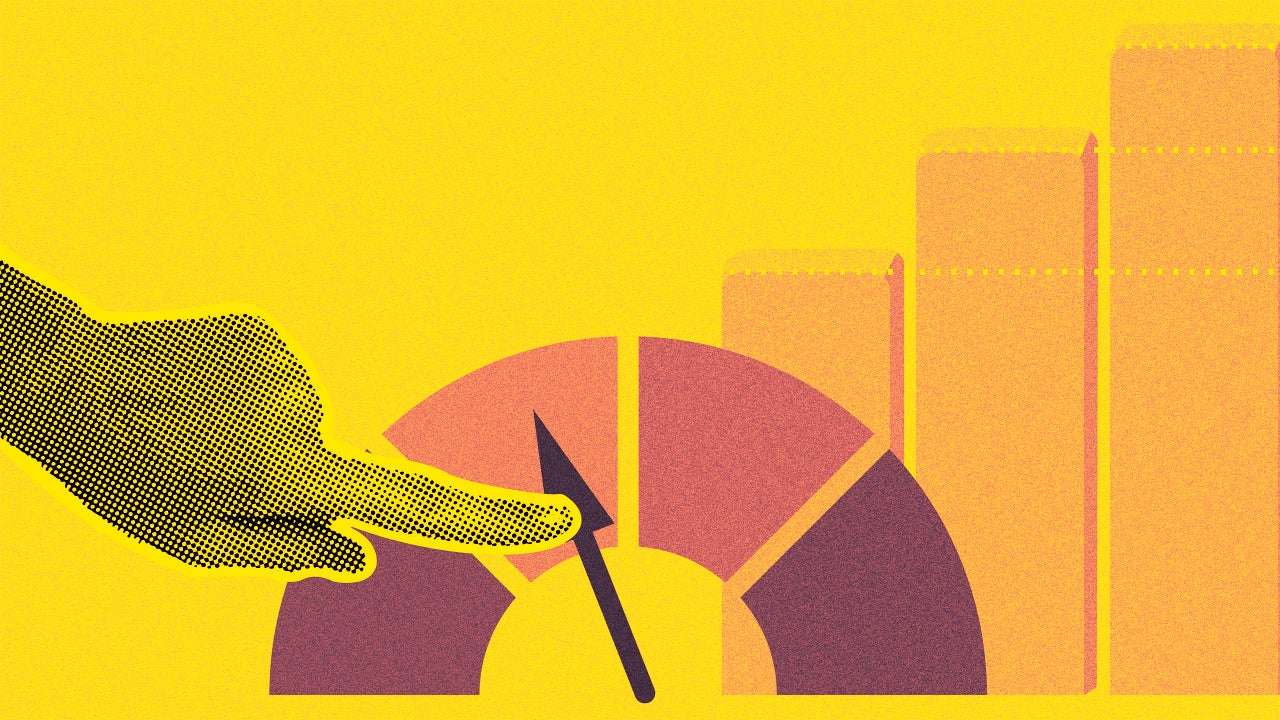
OpenAI has unveiled a progress meter to prompt a slowdown in AI development, but such a move seems unlikely to succeed. Chief scientist Jakub Pachocki wrote an essay titled "Perplexity and Intelligence," in which he invited rival AI labs to publish their own progress numbers to create a common standard for monitoring and possibly coordinating a slowdown in AI development.
However, given the billions at stake and the competition for enterprise customers, it's unlikely that other labs will agree to this proposal. OpenAI's progress score has improved significantly in 2026 compared to the previous three years, with internal models showing even more substantial advancements. The company's metrics, known as perplexity scores, measure how confidently language models predict the next word in unfamiliar text.
Since 2022, OpenAI's base-model log-perplexity has decreased from 0.99 to 0.76, indicating a substantial improvement in model performance. The essay comes in the wake of claims that OpenAI's models have solved complex mathematical problems and that the company's AI agents have breached security measures. While Pachocki's proposal aims to establish shared norms for evaluating and red-teaming models before release and commit to common limits on perplexity, the lack of a common measurement tool and the economic incentives driving rapid model development make achieving a slowdown challenging.
Rewritten by urgent.news; may contain errors — check the original.
Source: fastcompany.com