AI’s Frankenstein Moment
Joseph Luzzi argues that Mary Shelley’s classic 1818 novel "Frankenstein" can help us better understand, and address, AI.
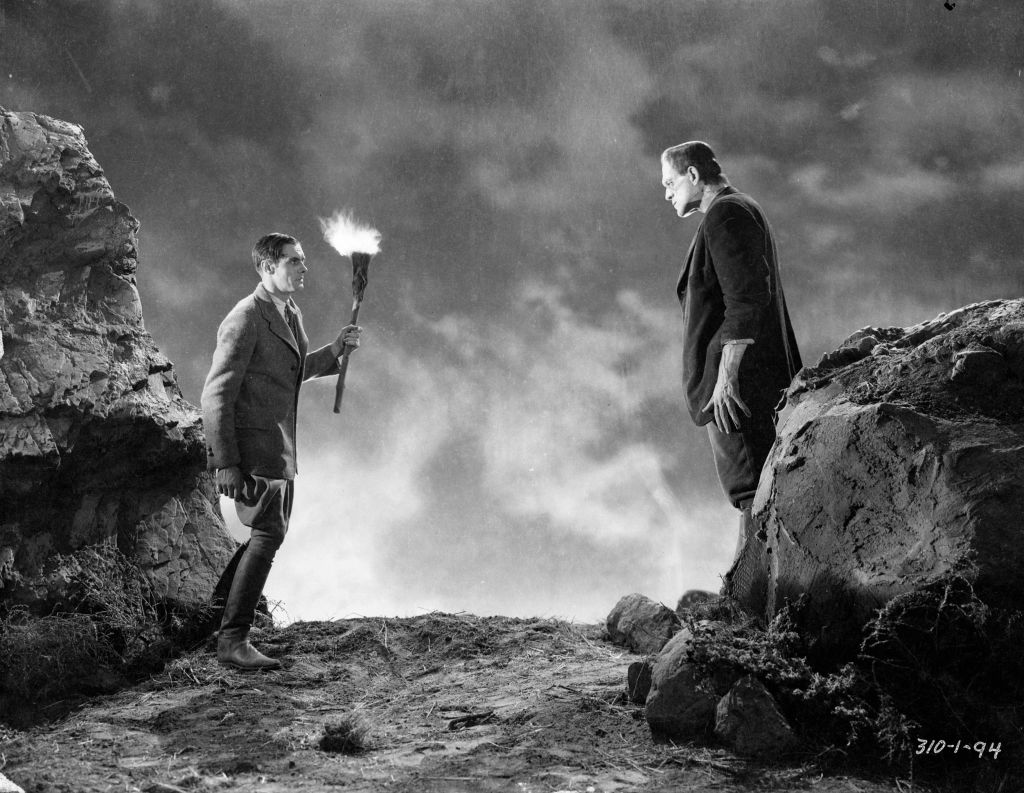
Recent comments by leading tech figures have raised alarm bells about the potential dangers of artificial intelligence (AI). Anthropic CEO Dario Amodei warned of possible machine rebellions, suggesting a need for outside monitoring and global regulation. Bill Gates also warned of the possibility of AI causing a billion deaths. This echoes a theme from Mary Shelley's classic novel, Frankenstein, published in 1818.
In the story, Victor Frankenstein, a brilliant scientist, creates a monstrous being from human remains. Despite the creature's initial benevolence, Victor rejects it, leading to the monster's eventual path of vengeance and destruction. The AI community, including CEOs Elon Musk and Sam Altman, have agreed that regulation is necessary.
Like Frankenstein's monster, AI researchers feel they have already achieved something previously thought impossible - the creation of machines capable of "thinking." The ethical questions raised by these developments mirror those in Shelley's novel. Just as Frankenstein failed to guide his creation, AI leaders must focus on managing and harnessing the forces they have unleashed.
The long-term success of AI is contingent upon creating a safe and secure framework, similar to how Victor's failure ultimately led to his own demise.
Rewritten by urgent.news; may contain errors — check the original.
Source: time.com