Dispute over bird nests threatens to derail centrist peace talks in EU Parliament
Talks between the centrist forces broke down on Tuesday over a last-minute call from right-wing lawmakers to reopen the bloc’s nature laws.
In a setback for centrist peace talks in the European Parliament, European political groups have been unable to agree on a written coalition agreement over a dispute involving bird nests and eggs. The European People’s Party, Socialists and Democrats, and Renew group, the leading centrist forces, were in the final stages of drafting a coalition agreement after the conservatives inadvertently aligned with the far-right on various laws concerning migration and climate.
However, negotiations over whether businesses should be allowed to destroy natural habitats during industrial projects have derailed the process.
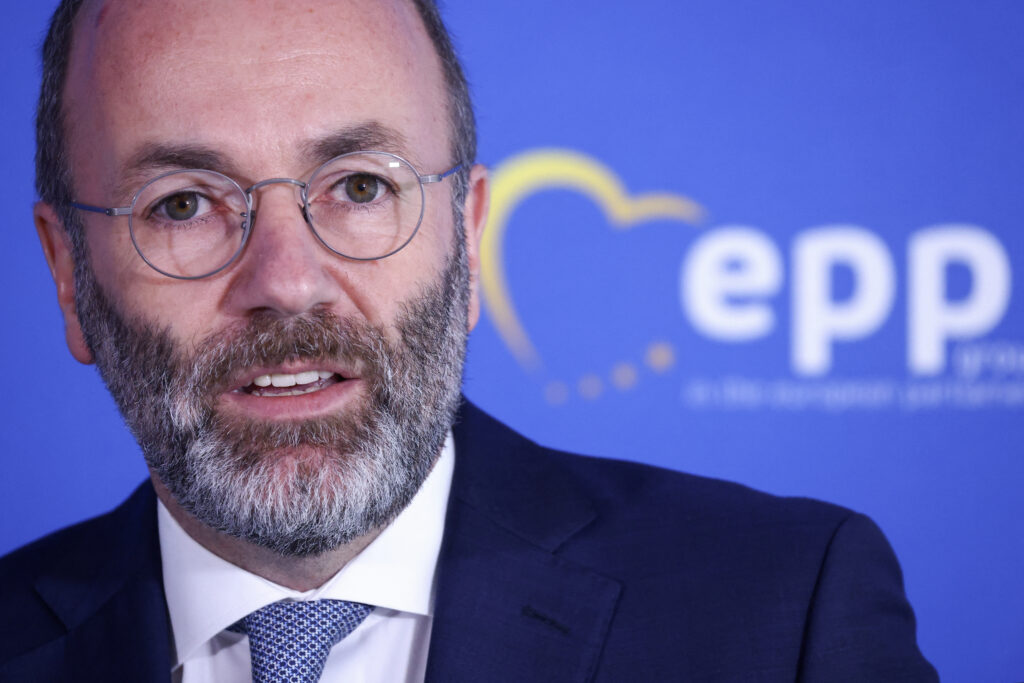
The obstruction reflects the widening divide between the political forces behind Ursula von der Leyen's re-election as European Commission president, particularly regarding the EU's environmental rulebook. During a meeting, Manfred Weber, the head of the European People’s Party, stated that the group had no choice but to support the amendment as it aligned with the party's stance.
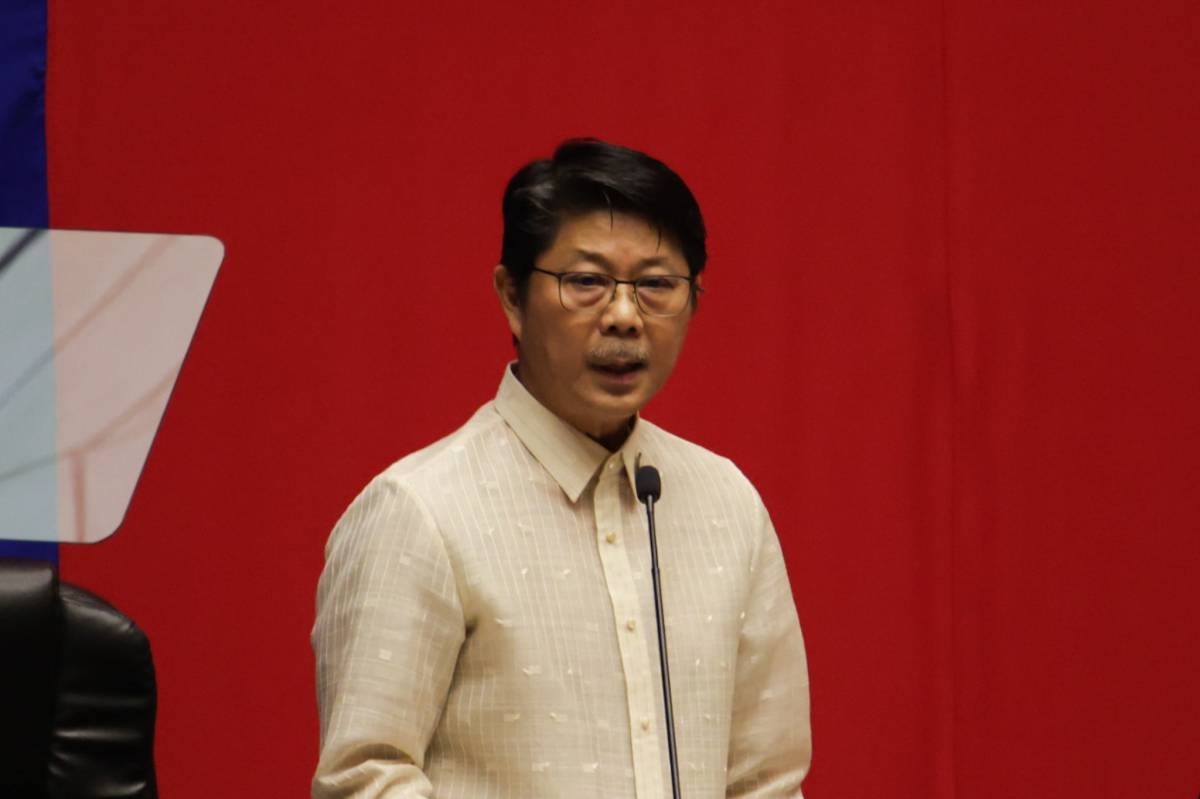
Radan Kanev, the EPP’s lead negotiator, however, suggested abstaining on the change to safeguard the deal. This demand from the Socialists and Democrats led to a standstill in negotiations.
An agreement among the centrist groups was reached after weeks of careful crafting, but it fell apart after the European Conservatives and Reformists proposed a change to reopen the EU’s nature laws. The proposal, part of a broader omnibus package, aims to simplify environmental rules and facilitate the development of projects like data centers, power plants, and mines. While industry groups support the review, environmental organizations warn it could undermine the EU's environmental protection standards.
The conflict has strained trust within the centrist platform, with Renew MEP Annalisa Corrado stating that the situation has deeply damaged the overall trust within the deal. Despite the tension, Renew vice-chair Gerben-Jan Gerbrandy expressed hope for the deal, crediting the hard work put into it. The European Commission is currently evaluating whether these laws should be reopened next year.
Rewritten by urgent.news; may contain errors — check the original.
Source: politico.eu