Decompilation projects have quietly brought more classic games to PC than any official remaster program
Fan decompilations have done more for classic IPs than publishers have
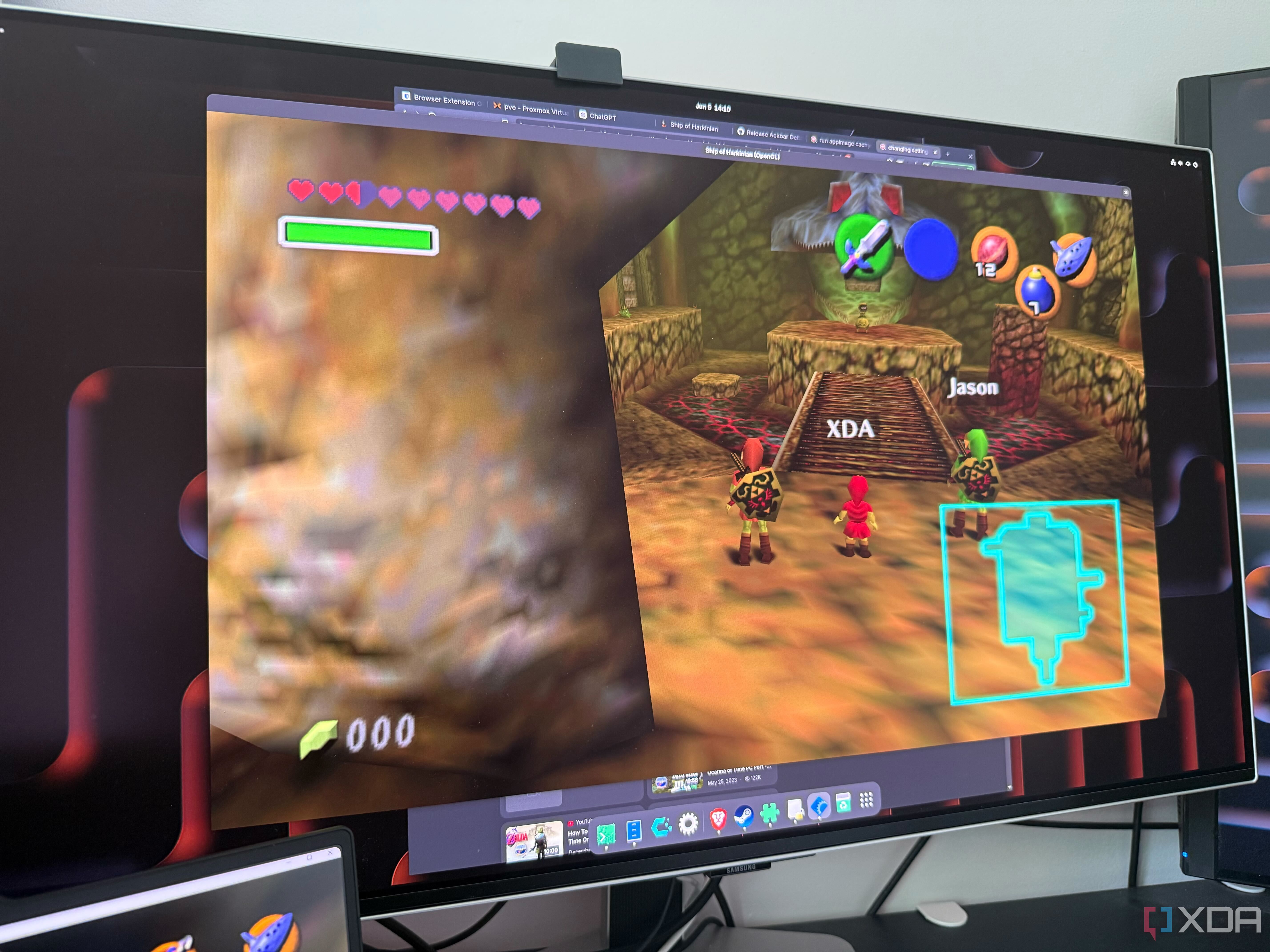
Decompilation projects have quietly expanded the availability of classic games on PC, surpassing any official remaster initiatives. The process involves translating a game's machine code into human-readable C code, enabling it to be ported to Windows, macOS, or Linux. Two common approaches exist: historically slower decompilation, where developers manually translate machine code, and faster static recompilation, using tools that convert compiled code directly into a PC program.
These decompilation efforts have brought PC experiences reminiscent of original games like Super Mario 64, Majora's Mask, Banjo-Kazooie, and Twilight Princess, among others. The use of AI has significantly accelerated the decompilation process, allowing for more efficient reverse engineering. Despite legal concerns, these fan projects avoid redistributing game assets by requiring players to supply their own copies.
AI-assisted development has also contributed to the rapid progress on these projects, as demonstrated by the near-complete decompilation of Super Smash Bros. Melee within a year. The flood of PC ports resulting from these decompilation efforts highlights the significant impact on game preservation, surpassing any official remaster programs.
Rewritten by urgent.news; may contain errors — check the original.
Source: xda-developers.com