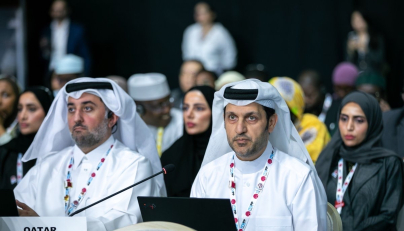
Business Reflection: Economic view — The climate change summit nobody mourns
The collapse of COP31 in Antalya was more than a diplomatic failure – it exposed the deep economic and political forces making global climate cooperation increasingly impossible.
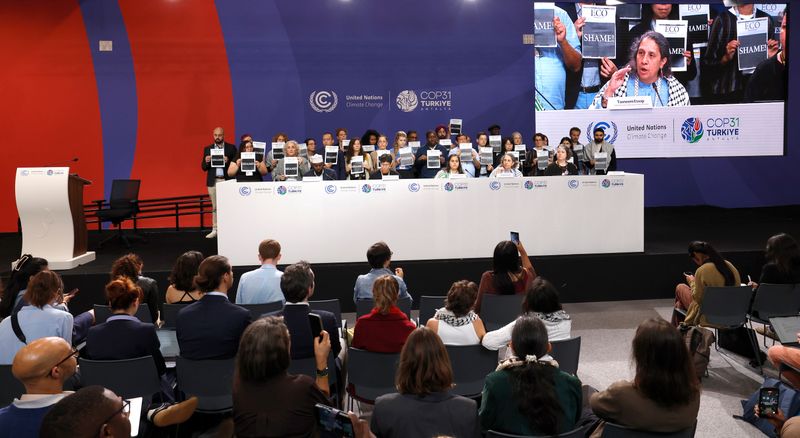
The collapse of the COP31 climate summit in Antalya, Turkey, marked the end of a marathon two-week negotiation session, ultimately failing to reach a final agreement. The summit witnessed a deep rift between an Arab bloc led by Saudi Arabia and a coalition of countries comprising the EU, UK, Norway, Panama, Vanuatu, and a group of least developed nations. The primary issue of contention was the absence of any mention of fossil fuels in the final text, which is the main driver of climate change.
The talks ran two days past the scheduled overtime, making it the longest session ever held by the UN in its 31-year history. Darragh O’Brien, the climate minister for Ireland, expressed his disappointment, stating that such an outcome was "unconscionable" and demanded a reference to the transition away from fossil fuels.
Despite the international climate crisis intensifying, with global warming expected to surpass the 1.5°C threshold agreed upon in the Paris Agreement and devastating floods in Nepal and record-breaking heatwaves in Europe, the summit failed to produce any concrete solutions. The failure to reach an agreement reflects the underlying economic and political forces undermining global climate cooperation, turning the summit into a symbol of the challenges facing the international community in addressing the climate crisis.
Rewritten by urgent.news; may contain errors — check the original.
Source: dailymaverick.co.za