Agentic system personalizes physical controls to help users “DJ their art”
“TangiMap” uses an AI agent to reprogram how buttons, knobs, and sliders are used, helping users do things like edit photos and perform music in a more dynamic, tactile way.
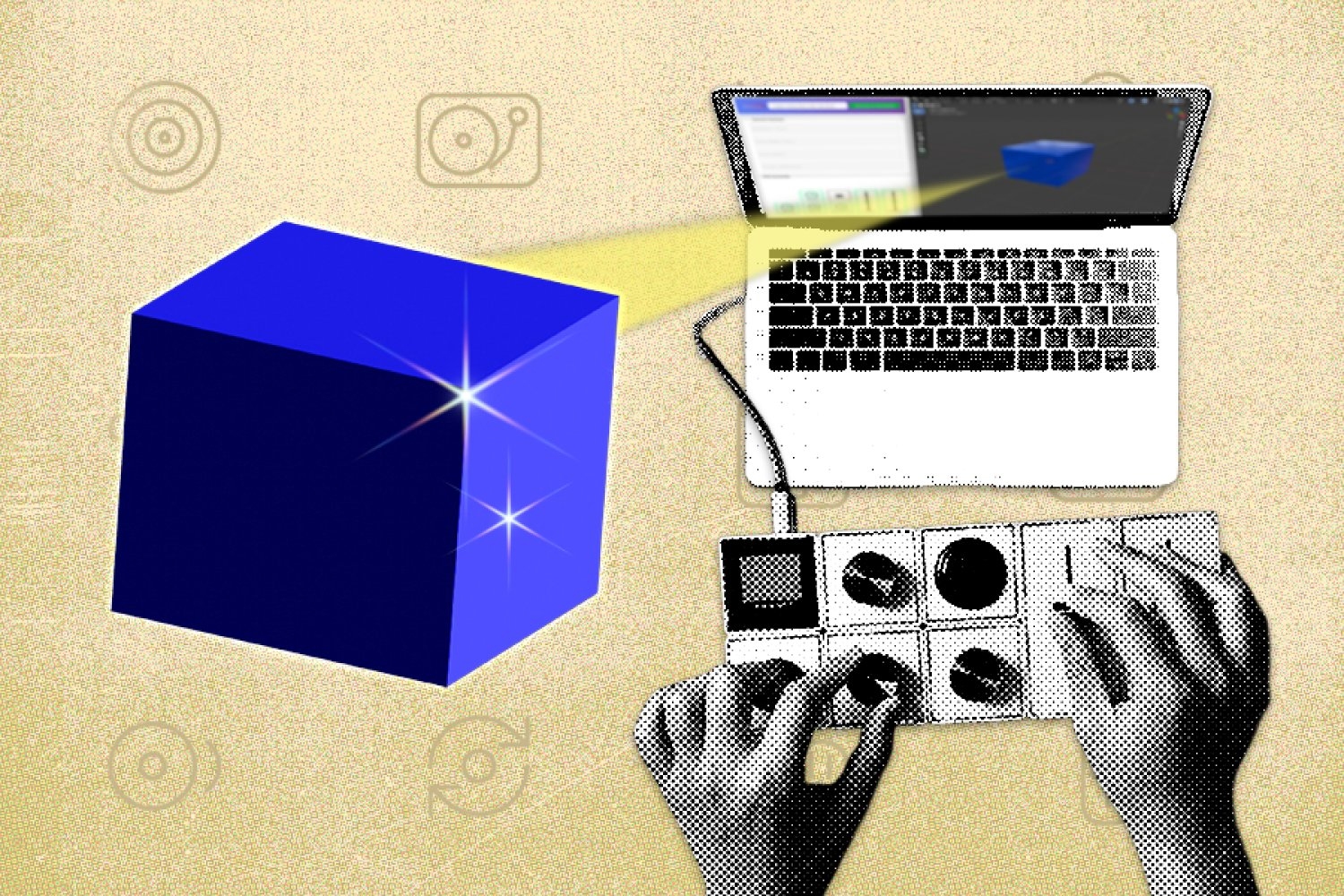
In 2017, Apple removed the home button from its iPhones, leading to a shift towards digital buttons, knobs, and sliders. This trend is also seen in cars and kitchens, where physical controls are becoming more common. While physical controls are often more convenient and precise than digital ones, they are typically preprogrammed and can't be easily adapted to new tasks.
A new system called "TangiMap" aims to personalize physical controls on everyday devices, allowing users to "DJ their art." Co-developed by an MIT graduate student and researcher at MIT's Computer Science and Artificial Intelligence Laboratory (CSAIL), TangiMap uses an AI agent to personalize physical controls based on the software you're using, your tendencies, and the device you're using.
The agent collects context from sources such as the program's API, an MCP server, or a screenshot interpreted by a vision-language model. It then uses a large language model to create a file that maps specific digital functions to physical controls. The system was tested on various applications, including photo-editing software, sound-mixing software, 3D modeling programs, and Adobe's Character Animator software.
TangiMap allows users to adjust multiple settings at once, such as tweaking brightness and contrast together when editing an image, or adjusting features like shininess on a mixer using physical controls. The researchers are working on creating a more streamlined system that generates the UI for the device by taking a picture and considering ergonomic devices to ensure optimal user experience.
They hope to build physical items with AI agents that can understand what to reprogram into based on specific situations.
Rewritten by urgent.news; may contain errors — check the original.
Source: news.mit.edu