US commentator calls Lee Kuan Yew 'the most important world leader no one ever talks about’
SINGAPORE: In a video, a lawyer and commentator from the United States named Ashton Cohen called Singapore’s founding Prime Minister Lee Kuan Yew “the most important world leader no one ever talks about.” The video, posted last month, has since been viewed thousands of times. In it, Mr Cohen said Mr Lee’s story should be required reading “because this dude pulled off probably the greatest…
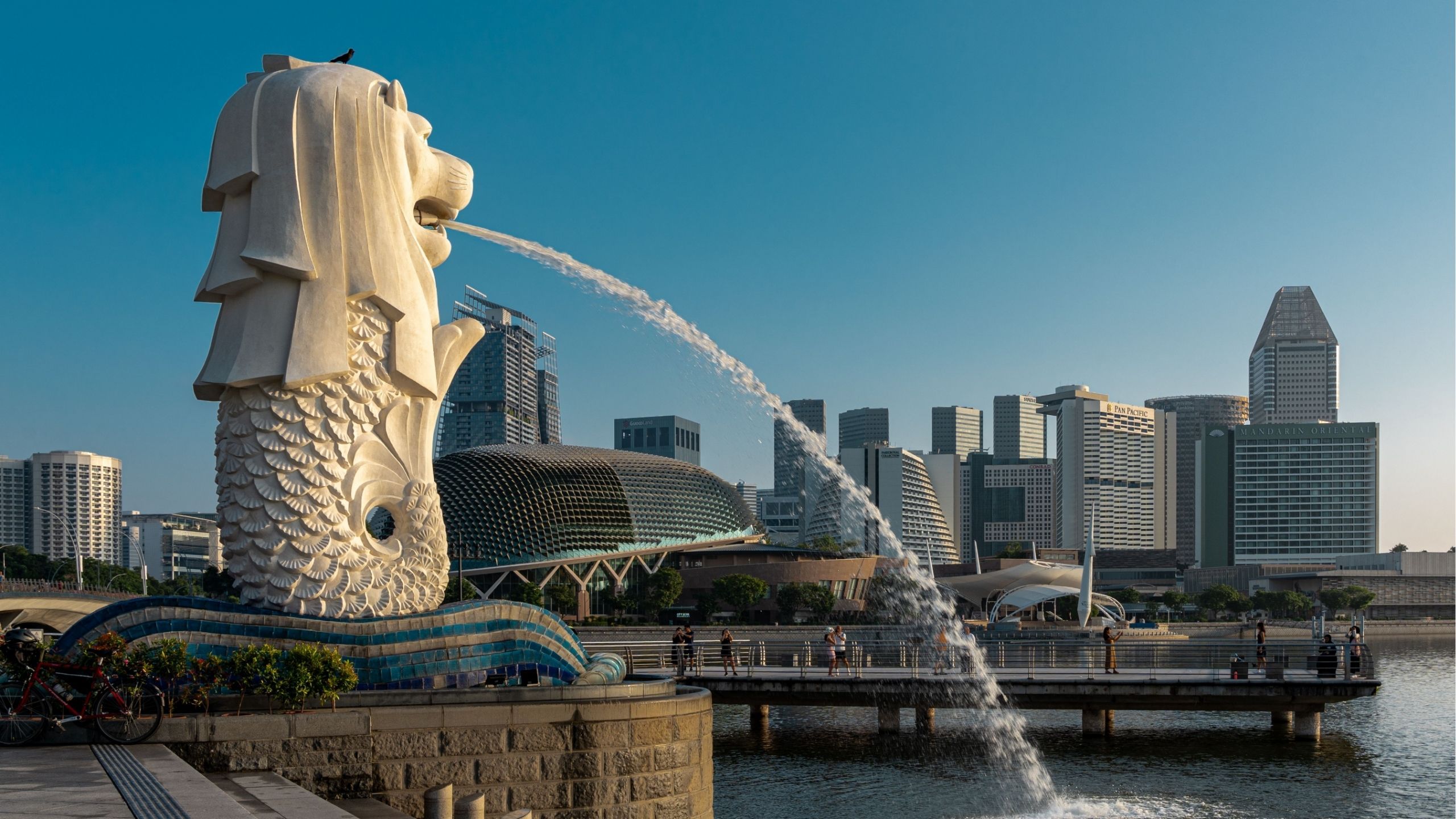
U.S. commentator Ashton Cohen has praised Singapore's founding Prime Minister Lee Kuan Yew as "the most important world leader no one ever talks about." In a recent video, Cohen highlighted five lessons from Lee's story, which he claimed led to Singapore's remarkable economic transformation. However, some aspects of Cohen's analysis oversimplify or misrepresent key elements of Singapore's development.
Firstly, Cohen stated that Singapore was "the poorest country in the world" at the time Lee came to power, but this is not entirely accurate. While Singapore did face economic challenges, it was already an established international trading port under British colonial rule. The assertion that "He made the country clean and beautiful, with zero tolerance for homeless and camps, graffiti, trash" is also an exaggeration.
The reality is that Singapore implemented a national public housing policy resulting in 90% of Singaporeans owning their homes, and strict discipline was maintained through pragmatic means.
Regarding Lee's approach to attracting businesses, Cohen claimed that Singapore offered "minimal regulations and zero corporate taxes" to lure companies. However, this is not entirely correct. While Singapore did offer targeted incentives and concessions like tax exemptions for a certain period, it did not provide zero corporate taxes across the board.
Moreover, Singapore's success story included not just the attraction of entrepreneurs but also the establishment of government-linked enterprises and development institutions, with the state playing a substantial role in the economy.
Cohen's point about Singapore's emphasis on meritocracy is generally accurate, as meritocracy has been a central tenet of the city-state's public administration and education system. However, it is essential to recognize that not all Singaporeans start from equal opportunities, and the official recognition of four broad racial categories – Chinese, Malay, Indian, and Others – may complicate this assertion.
Cohen also praised Singapore's strict criminal justice system and the requirement of learning English, as Lee recognized English as the language of global business. However, the claim that "Singapore went from being poorer than Kenya to richer than America" should be taken in context. While Singapore's economic growth has been impressive, comparing it to other nations like Kenya or the United States can be misleading without considering various factors and historical contexts.
Lastly, while Cohen correctly identifies Lee Kuan Yew as one of the principal architects of modern Singapore, it is crucial to acknowledge the contributions of other key figures such as Goh Keng Swee (industrialization and economic policies) and S. Rajaratnam (foreign policy and multiracial national identity). These individuals played significant roles in Singapore's development and cannot be overlooked in the broader narrative.
Rewritten by urgent.news; may contain errors — check the original.
Source: theindependent.sg