Should Apple really move fast and break things?
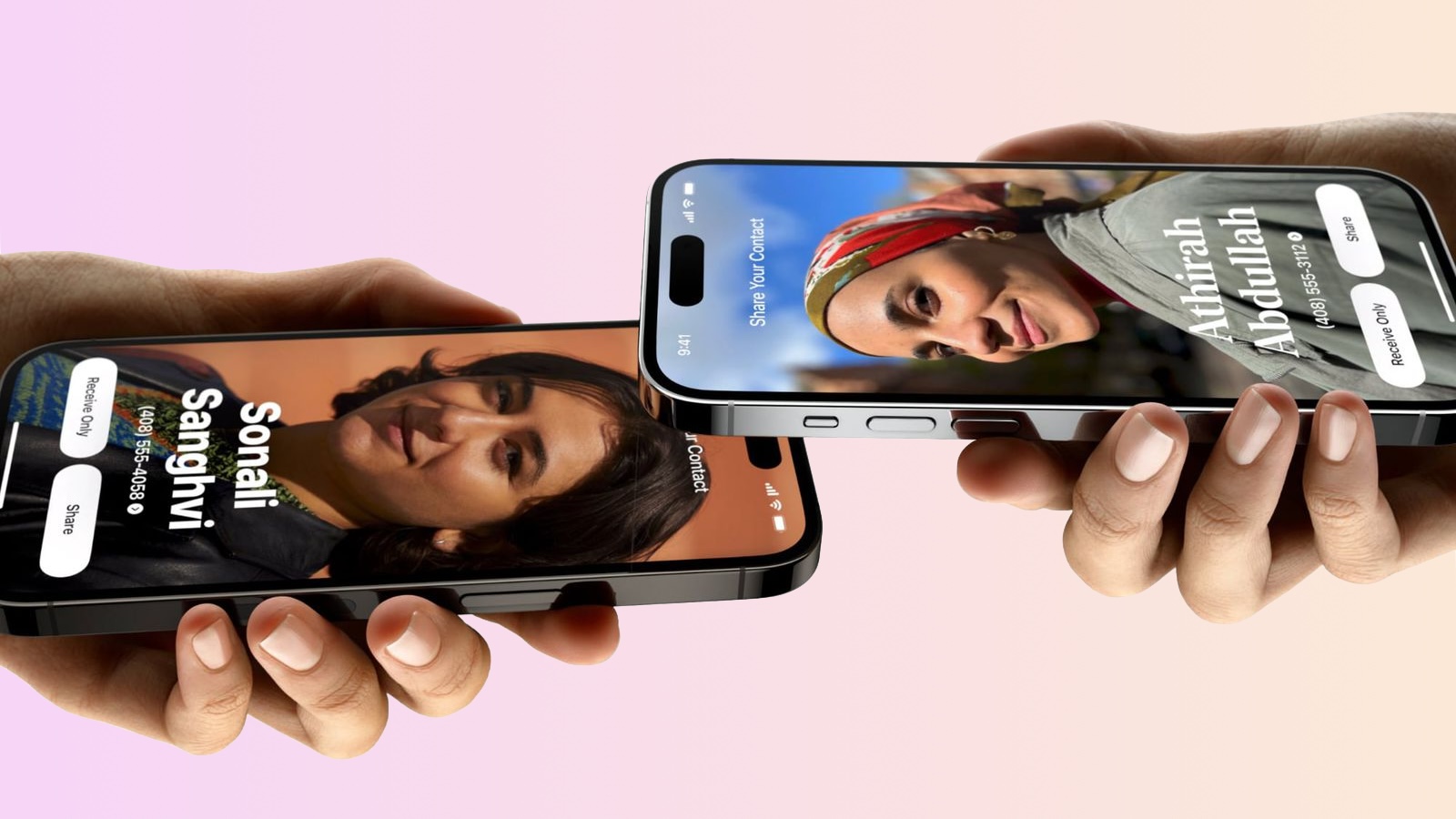
The Apple ecosystem has more than a billion people in it. Each time the company changes even the tiniest component of that ecosystem, thousands of people complain. Now imagine the reputational damage if Apple began to rush out AI software updates that transformed the user experience so much they actually broke things? Scale matters here: when your active user base is approximately an eighth of…
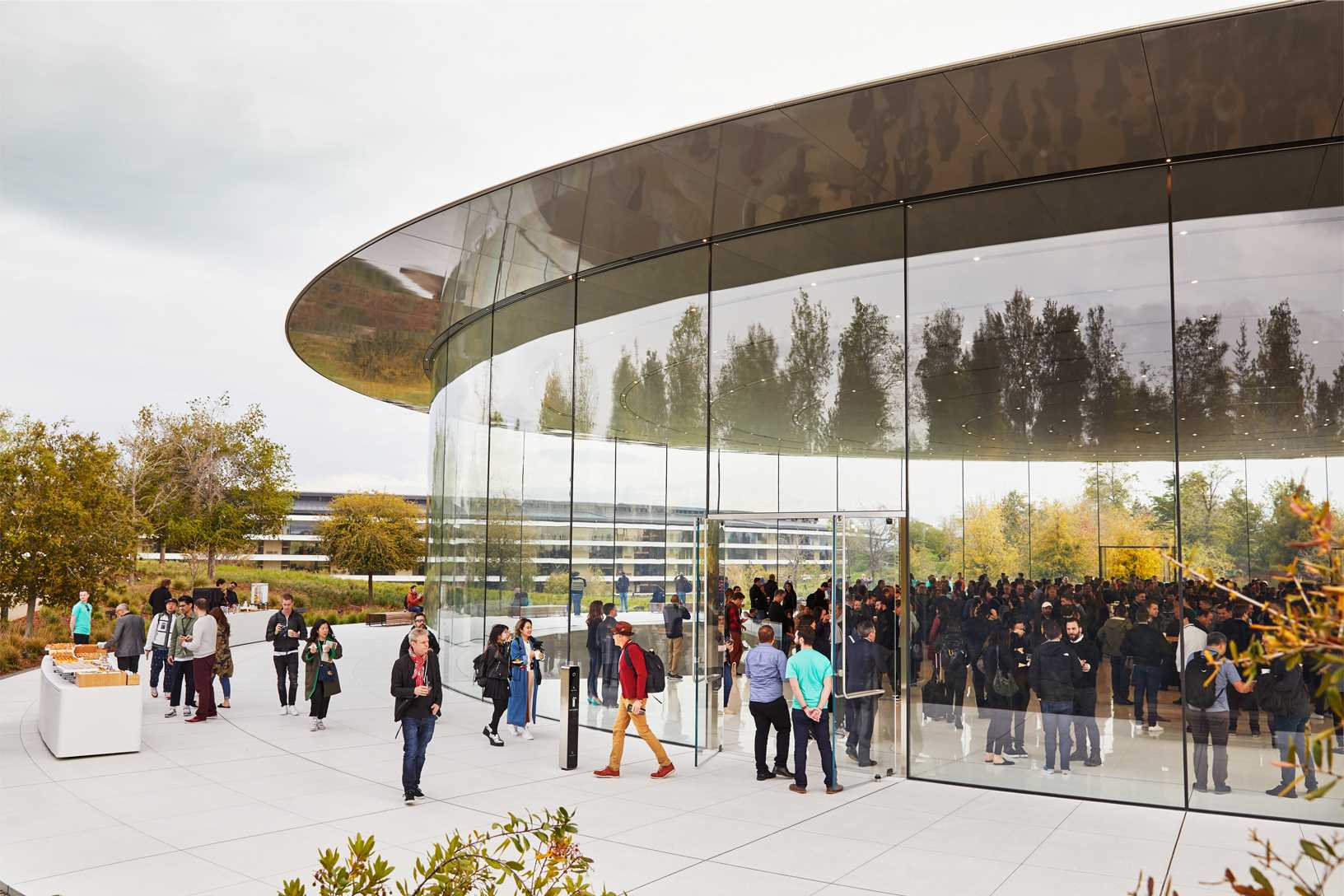
Apple's ecosystem is home to over a billion people, and any change to that ecosystem, no matter how small, can generate complaints. Imagine the potential backlash if Apple rushed out AI software updates that drastically altered the user experience, potentially causing widespread disruption. The company's user base, equivalent to one-eighth of the world's population, can quickly turn against it due to even the slightest friction.
Some analysts argue that Apple's structured engineering culture, which prioritizes consensus and end-to-end integration, is holding back its AI development. This viewpoint suggests that Apple missed the original Siri AI launch due to its cautious approach. Critics don't advocate for reckless software patches, but their concerns still imply treating every user, government, and business as unpaid beta-testers.
The distinction lies in the consequences; a flawed AI chatbot in a browser versus an AI deep within an operating system affecting daily life. The possibility of AI causing significant harm, such as locking down a home or invading privacy, raises concerns about prioritizing speed over safety. While AI is seen as an existential threat, Apple argues that carefully considering the impact before rushing into AI deployment is crucial.
It's a balancing act between innovation and caution, recognizing the importance of customer trust and long-term business sustainability.
Rewritten by urgent.news; may contain errors — check the original.
Source: computerworld.com