Hoxne ‘Empress’ pepper pot: A 1,600-year-old silver and gold pepper shaker that a UK farmer unearthed while looking for his hammer
This silver pepper shaker reveals the Romans' love of the spice and the lengths they would go to procure it.
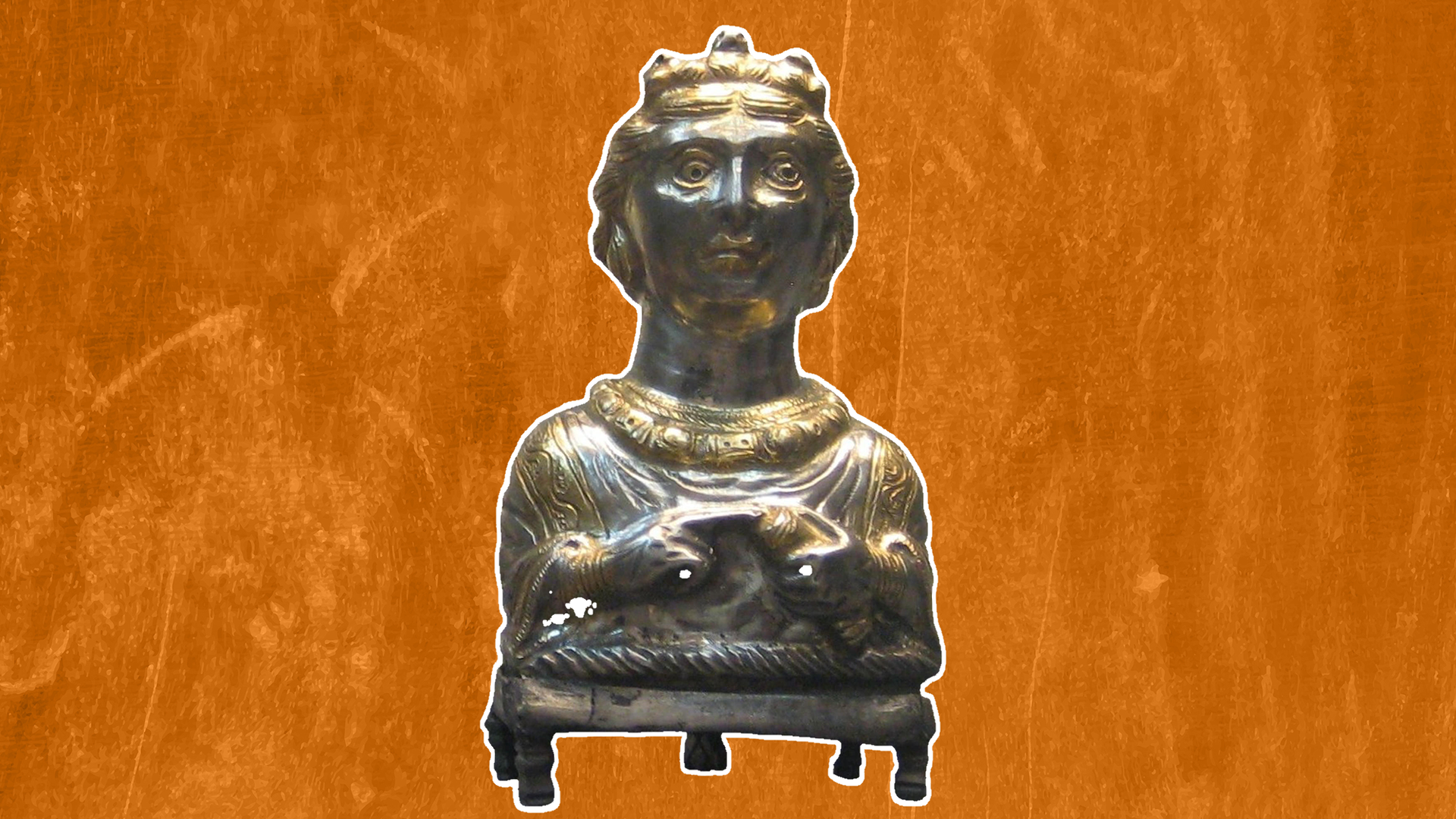
In 1992, a farmer in Hoxne, England, was using a metal detector to locate his lost hammer when he inadvertently uncovered a remarkable 1,600-year-old treasure trove - the Hoxne 'Empress' pepper pot. This silver and gold spice dispenser was found buried among over 15,000 ancient Roman coins, jewelry, and tableware.
The Hoxne hoard, discovered in the village of Hoxne in southeastern England, is a testament to the opulence of a wealthy Romano-British family. The 'Empress,' a silver spice container shaped like an imperial lady, is one of four pepper pots, or 'piperatoria' in Latin, recovered from the hoard. Standing approximately 4 inches tall, the artifact is adorned with gold detailing, including intricate patterns around the woman's eyes, mouth, hair, and accessories, such as a scroll in her left hand.
The 'Empress' is embellished with gold, highlighting the woman's eyes, mouth, hair, and accessories, including a scroll held in her left hand. The elaborate hairstyle of the woman on the pepper pot helps date its creation to the fourth century, although experts believe the hoard itself may have been buried in the early fifth century, as Roman rule in Britain was on the decline.
The 'Empress' pepper pot features a four-legged base with a disc at the bottom, which can be adjusted in three positions: wide open, closed, and partly open. This design allowed the pot to be filled in the open position with cracked pepper, which could then be sprinkled over food in the partly open position.
The high cost of pepper made it a luxurious item in the Roman Empire, as it had to be imported from India. A wealthy Romano-British family likely used the 'Empress' pepper pot as an impressive piece of tableware, demonstrating their wealth and education. It remains unclear who the woman depicted on the pepper pot is meant to represent, but the scroll she holds suggests she was both affluent and cultured.
The family that inhabited the nearby area at the time likely left their wealth behind as Roman rule in Britain began to falter, as the pepper pot was discovered in a chest containing silverware, gold jewelry, and more than 15,000 coins. According to Neil MacGregor, a former director of the British Museum, the mobile wealth of this well-off Roman family was a stark reminder of the consequences faced by individuals when the state crumbled.
Rewritten by urgent.news; may contain errors — check the original.
Source: livescience.com