Wolves help wild blueberries grow, US study finds
Every summer in northern Minnesota, gray wolves become fruit eaters, mostly. During peak berry season in July and August, berries make up as much as 83% of adult wolves’ weekly diets in the Greater Voyageurs Ecosystem, a southern boreal forest region that borders Canada. Now a new study shows the blueberries also get something out […]
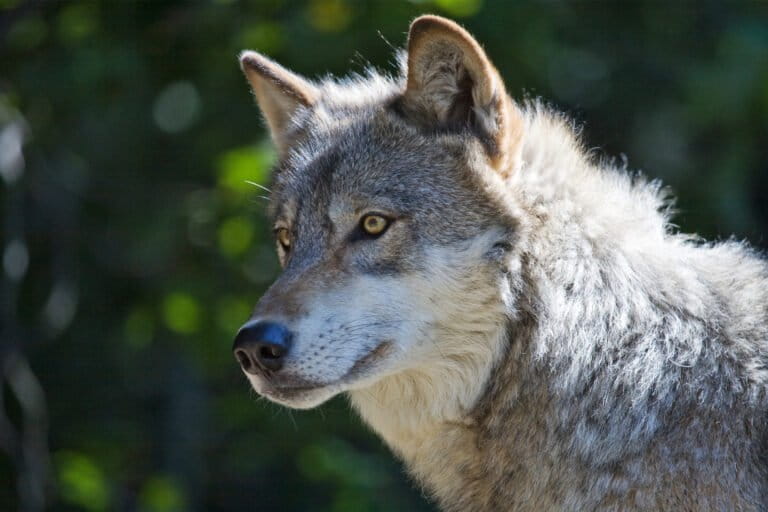
Gray wolves in the Greater Voyageurs Ecosystem of northern Minnesota play a crucial role in the growth of wild blueberries, according to a recent study published in Biology Letters. During peak berry season in July and August, blueberries make up as much as 83% of adult wolves' weekly diets in the region. The authors found that blueberry seeds that passed through a wolf's gut sprouted faster and more often than seeds taken directly from the fruit.
Researchers believe that the wolves, being effective long-distance dispersers, are responsible for this phenomenon. The seeds that pass through the wolf's digestive system likely have their seed coats scuffed or chemically worn down, which could aid in germination. Additionally, the scat may function as fertilizer and protect the seeds from pathogens.
The research was conducted by Alex Gross, a master's student at Northern Michigan University, who worked with the University of Minnesota's Voyageurs Wolf Project.
Rewritten by urgent.news; may contain errors — check the original.
Source: news.mongabay.com