Windows trained me into habits that I never have to think about on Linux
I didn't recognise the hoops I was jumping through until they weren't there anymore.
Many people focus on what they can't do on Linux when switching from Windows, but there are several things you no longer have to do. Some things that Windows users expect as "the norm" are simply things that Linux doesn't require. A common meme portrays someone struggling to install Google Chrome on Linux, but it's actually quicker and easier to install on Linux.
On Windows, setting up Google Chrome involves launching Microsoft Edge, searching for the browser, downloading it, and running the setup wizard. In contrast, on Linux, opening the terminal, using the repository (Flathub or the distro's repo), and typing "Can I have Google Chrome, please?" is all you need. You can also download it from the Discover app store or KDE.
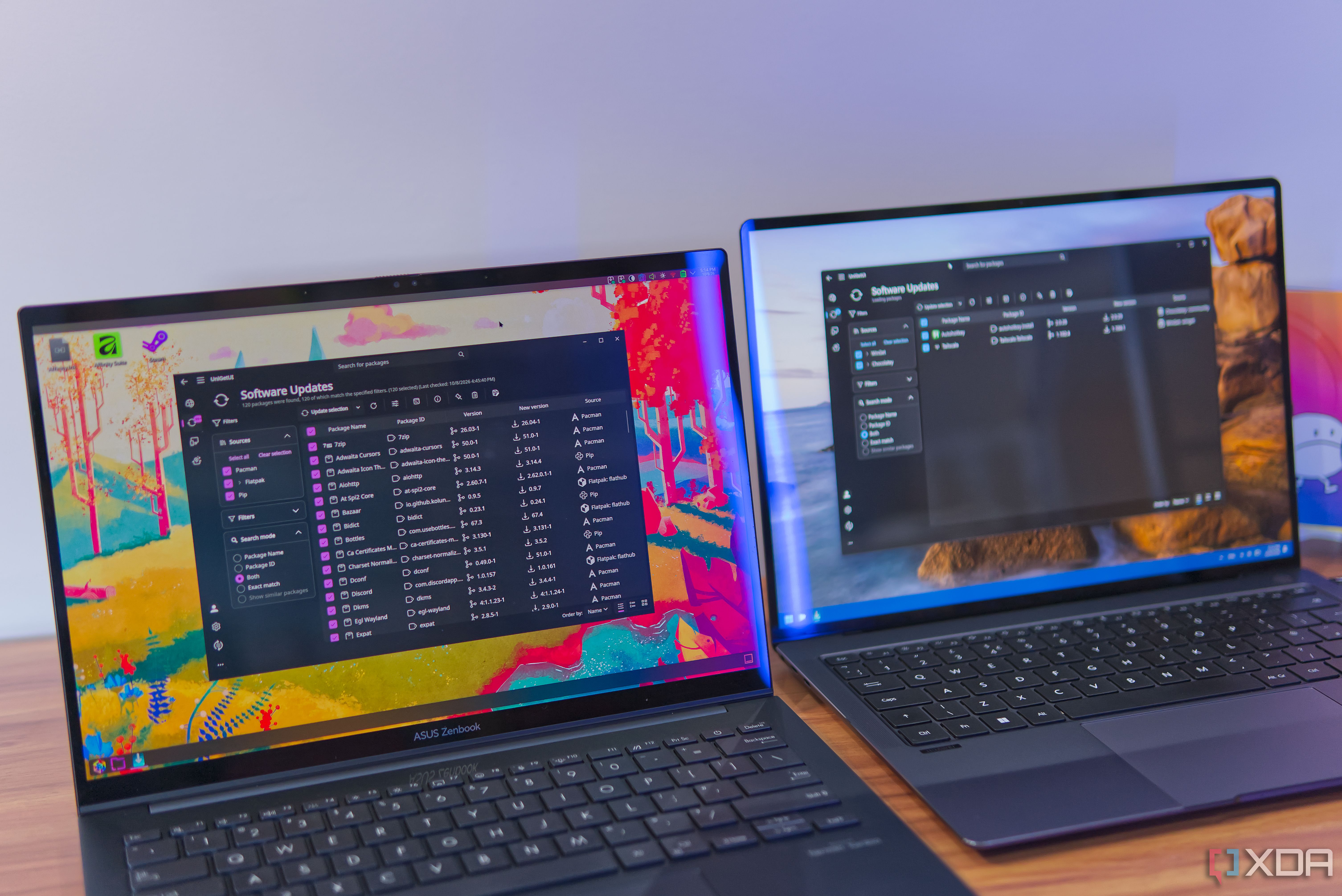
Windows users might use WinGet or the Microsoft Store, but these tools felt unnecessary to the author when they were on Windows. Updating Windows was a hassle since Windows Update handled the OS, but if you wanted to update third-party apps like Google Chrome, Discord, and Steam, you had to update each individually. On Linux, using Flatpak or rpm-ostree upgrade updates both your apps and OS.
Creating an alias for the command makes it even quicker. Windows is known for forcing updates and restarting computers, but on Linux, you control when you update and restart. If you prefer fewer updates, using a Long-Term Support (LTS) distro can help. When the author first used Linux, they expected to have to download drivers for USB peripherals, but the system already recognized their devices.
This is because Linux relies on drivers being included in the kernel, so if your distro uses a recent-enough Linux kernel version, you'll have all the drivers you need right away. Even if a driver isn't supported, it might be added in future releases. Immutable Linux distros, which prevent changes to system files, can help prevent malware and software from tampering with your system.
While this might seem restrictive, it results in less "drift" compared to other operating systems like Windows.
Rewritten by urgent.news; may contain errors — check the original.