Weight-loss drugs are changing Spanish shopping habits as chocolate and wine sales fall
Almost one in four Spanish users of weight-loss medicines lives in Andalucia, as new research reveals changing supermarket habits. Weight-loss […]
Weight-loss medications are transforming shopping patterns in Spain, according to recent research. It appears that nearly one in four Spanish users of these medicines reside in Andalucia, as supermarkets witness shifting purchasing behavior. Clinical findings suggest that weight-loss injections are not only affecting individuals' waistlines but also influencing what Spanish families buy at supermarkets. Chocolate, crisps, and alcoholic beverages are reportedly losing favor as consumers reconsider their food choices.
According to Worldpanel by Numerator's April 2026 report, GLP-1 medicines, such as Ozempic, Wegovy, and Mounjaro, are present in approximately 6% of Spanish households. These treatments are linked to a 3.1% decrease in food and drink expenditure per household, while the quantity of purchased products has declined by 3.8%. The snacks and drinks sections seem to be the most affected.
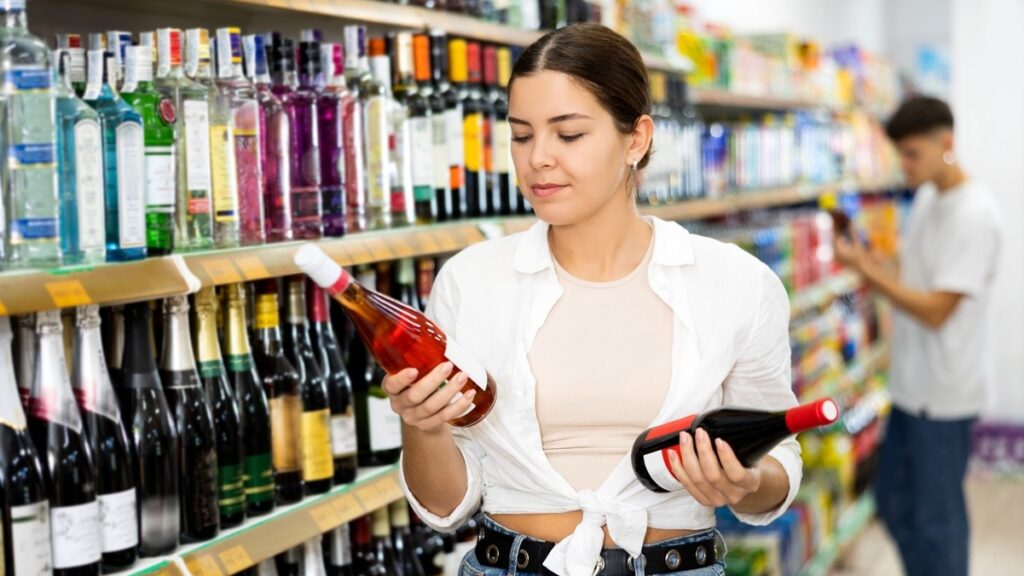
Chocolate bar consumption has dropped by 17.9%, while crisps and fried snacks have decreased by 13.5%. Alcohol purchases have also reduced, with wine falling by 12.5% and beer by 11.4%.
However, shoppers are not merely purchasing less of everything. Instead, their choices appear to be shifting towards healthier alternatives. Fruit purchases have increased by 1.4%, eggs by 1.4%, and peas by 5.9%. Olive oil has seen the most significant rise, with a 24.8% increase. These changes are particularly noticeable among residents of the Costa del Sol, who make up almost one in four Spanish consumers using GLP-1 medicines.
The Levante region accounts for an additional 16.8%, followed by the Barcelona metropolitan area at 11.7%.
Age also plays a role in these trends. Individuals aged between 50 and 64 account for 35.2% of GLP-1 consumers, while those aged 65 and over represent 31.5%. Changing attitudes towards food are prompting interest in everyday supermarket products, including those discussed in a separate November 2026 NielsenIQ and Bramble Intelligence study.
This study found that 11.8% of British households had at least one person taking a GLP-1 medicine by June 2026, with soft drink purchases down 21% and chocolate purchases falling by 17%.
While the British figures cannot be directly compared with the Spanish research, both studies highlight the impact of weight-loss treatments on consumer habits as these medications become more widely used. For those considering these medicines, medical advice remains crucial. These are prescription treatments, not quick fixes, and their suitability and potential side effects should always be discussed with a qualified healthcare professional.
Rewritten by urgent.news; may contain errors — check the original.
Source: euroweeklynews.com