The Relationship That Can Survive Not Talking for Years
Something unusual happens when friends reconnect.
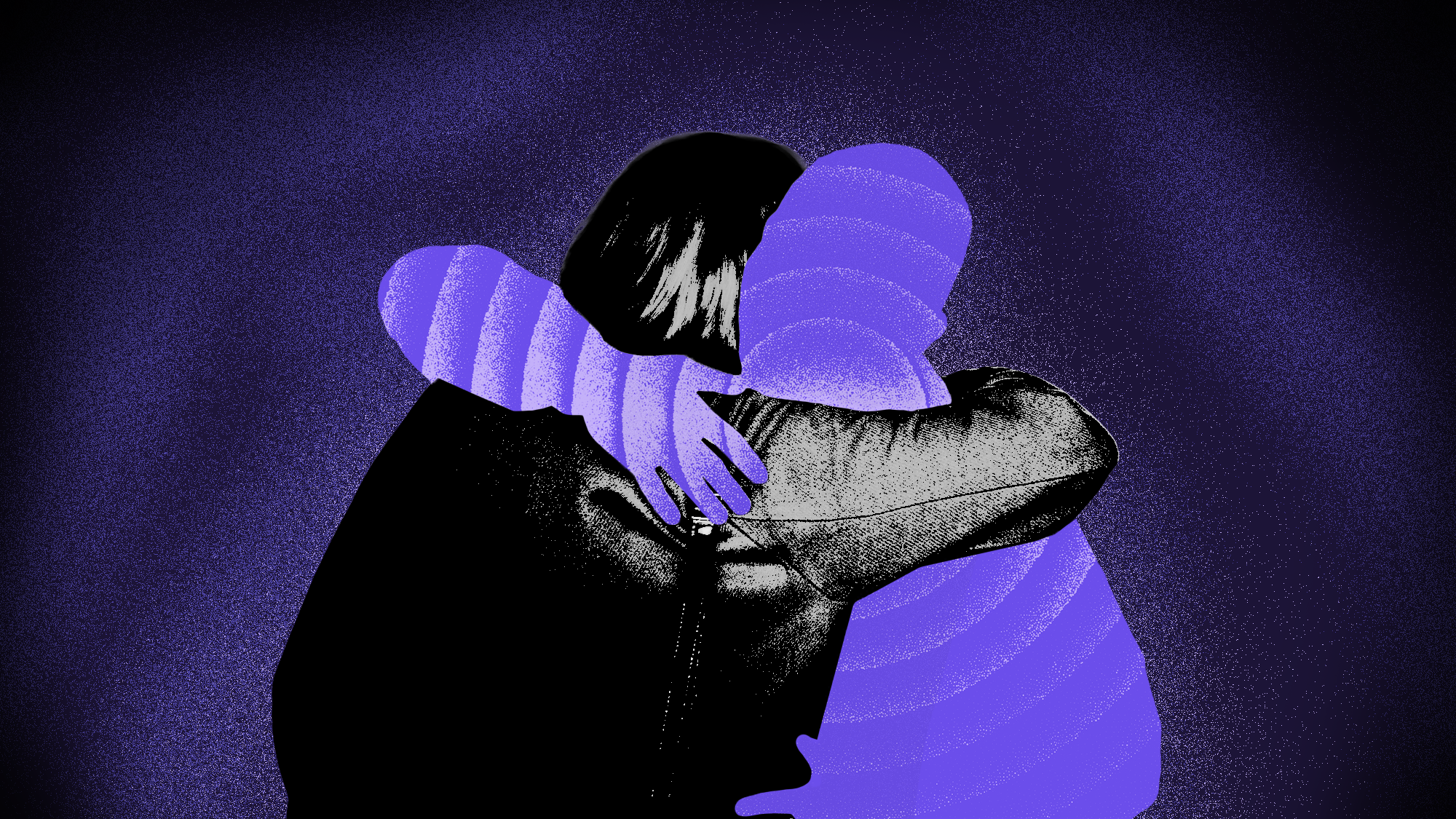
Friendship is an extraordinary relationship that defies the laws of time and distance. Even when friends haven't spoken in years, they can reconnect as if no time had passed. This phenomenon, often called "friendship's superpower," allows friends to pick up right where they left off. For instance, one person reunited with Army buddies after a decade and felt no change in their bond, while another found their kindergarten friends' relationship felt unchanged since they last saw each other.
The author likens these periods of no communication to "friendship's dark matter," a part of the relationship that can't be directly measured or seen but is still there, influencing the connection. While most relationships have some of this dark matter, friendships often survive the longest and most effortlessly. Even if a friend hasn't been in touch for months or years, they still hold the title of "friend," and their friendship often resumes without drama.
This ability to endure silence and reconnection is due to the freedom of choice in friendships. Unlike family or romantic relationships, friendships are unique and can take any form the participants imagine. There are no universal rules for how often friends should communicate, and friendships can remain dormant for a long time without dying, as long as both parties still consider each other friends.
The author also explores what happens when there's no visible communication between friends. Even when it seems like nothing is happening, friendship is still full of emotions, thoughts, and connections. These "intangible thoughts" can include memories of past help, admiration for someone's life trajectory, or simply thinking about a friend and wishing them well.
These small, seemingly insignificant actions contribute to the overall closeness and strength of the friendship, sometimes even increasing commitment despite a lack of direct interaction.
Rewritten by urgent.news; may contain errors — check the original.
Source: theatlantic.com