The decade India turned the tide on poverty
The World Bank report highlights that nearly 50 crore Indians have moved out of poverty between 2011 and 2023. Government efforts include health initiatives and direct benefit transfers that empower households. Women's participation in self-help groups has transformed economic opportunities for many. Continued investment in infrastructure aims to support future growth and prevent slippage back…
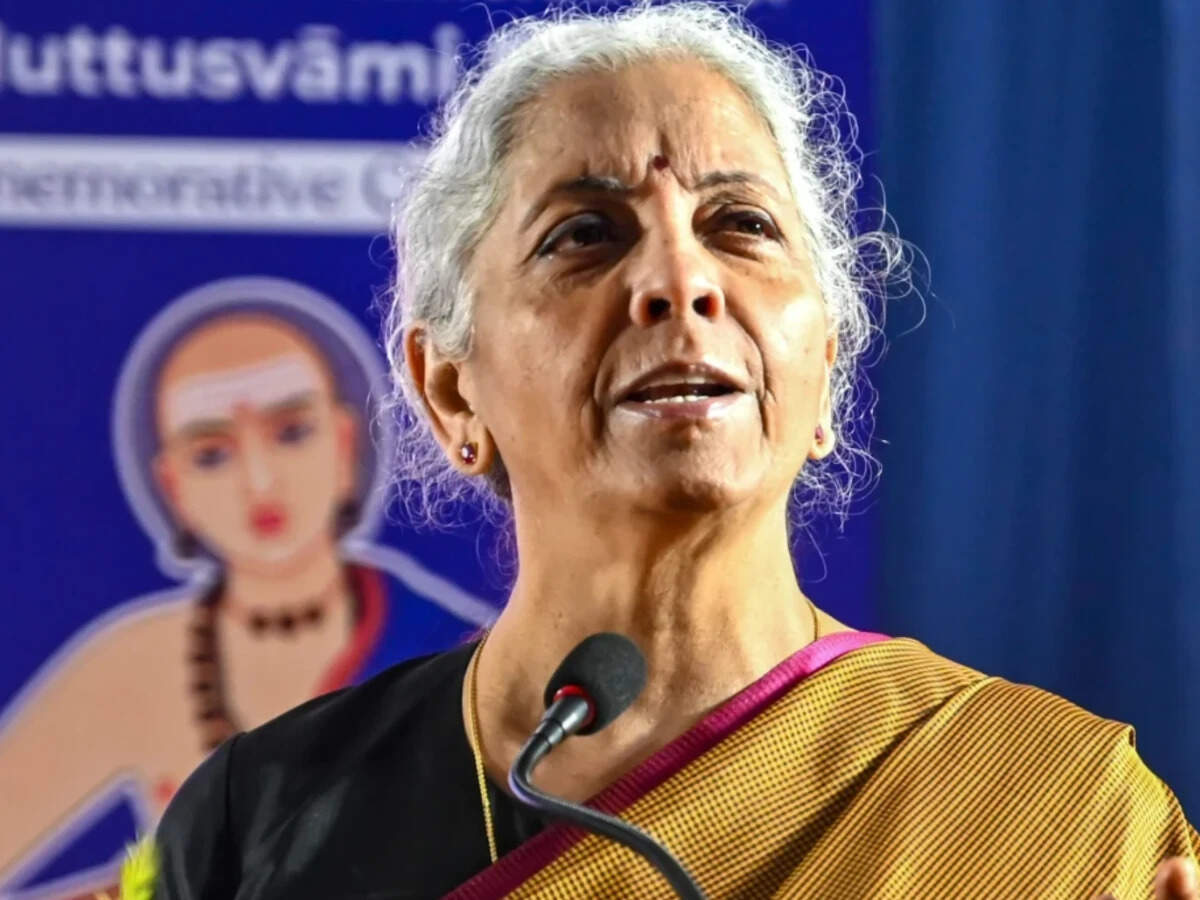
India has made remarkable strides in reducing poverty over the past decade, with nearly 50 crore people lifting themselves out of poverty between 2011 and 2023, according to the latest World Bank report. This transformation, witnessed firsthand during a visit to Kiphire, a remote district in Nagaland, reflects the determination and vision of Prime Minister Narendra Modi's leadership.
Contrary to the belief that existed for over six decades, India was once viewed as a nation plagued by enduring poverty. Even in the early 2010s, the country struggled with sanitation, nutrition, clean cooking fuel, and banking access. However, under Modi's administration, a fundamental shift occurred from temporary relief to addressing the root causes that perpetuate poverty.
The government adopted a targeted, focused, and tailored approach, ensuring that development reached those who needed it the most. Each welfare scheme was carefully designed to remove specific deprivations, such as access to secure housing, safe water, sanitation, and healthcare. This approach recognized that poverty is more than just a lack of income; it encompasses a range of basic necessities required for a dignified life.
Key initiatives, such as Swachh Bharat, Jal Jeevan Mission, Ujjwala Yojana, PM Awas Yojana, and Ayushman Bharat, have played pivotal roles in improving health, sanitation, and financial protection for millions of families. Direct Benefit Transfer has streamlined the delivery of government benefits, ensuring that the intended recipients receive them directly, without middlemen.
The rise of women entrepreneurs, including the Lakhpati Didis and Crorepati Didis, has been a significant driver of this transformation. With access to bank accounts, financial literacy, and entrepreneurship support, women have established thriving businesses, breaking the cycle of poverty and setting an example for future generations.
The journey to Viksit Bharat, or a developed India by 2047, remains ongoing. While significant progress has been made, the government remains committed to lifting the remaining impoverished individuals, ensuring that those who have already risen continue to progress and do not regress. This unwavering commitment to inclusive growth and development continues to shape India's future, turning the tide on poverty for millions of its citizens.
Rewritten by urgent.news; may contain errors — check the original.
Source: economictimes.indiatimes.com