Swiss inflation accelerates as SNB signals concern over broader price pressures
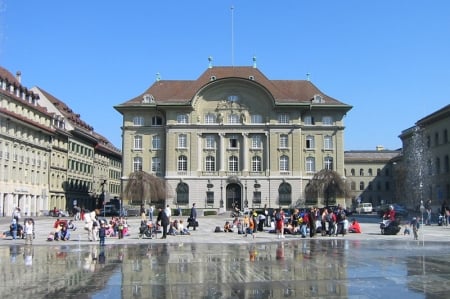
Inflation in Switzerland has been rapidly increasing since September, prompting the Swiss National Bank's (SNB) Vice Chairman Antoine Martin to express concern over potential broader price pressures before their December interest rate decision. In October, Switzerland's annual inflation rate surged to 1.5%, surpassing the 1% rate in September and economists' expectations. This unexpected rise caught the central bank off guard, though it remains within the SNB's desired price stability range of 0% to 2%.
During an interview with Le Matin Dimanche, Martin highlighted that the SNB is closely monitoring second-round effects, wherein rising prices could lead to increased wages and other costs, further fueling inflation. The bank's December decision will hinge on its assessment of incoming economic and monetary data. Currently, the SNB has maintained its policy rate at zero, guided by its forecast of average inflation at just 0.7% for 2026.
The recent acceleration in inflation has heightened expectations of a potential rate hike in December. Economists surveyed anticipate the first increase in June 2027, with another possible hike only in late 2028. In comparison, the European Central Bank has already raised interest rates twice amid persistent inflation pressures across the euro area. Switzerland's situation remains distinct, with price increases not exceeding 2%, mainly due to higher energy costs.
The Swiss franc continues to be a favored safe-haven currency, despite currency fluctuations. In real terms, it is nearly at its level against the euro five years ago. Martin identified exchange rate movements between the franc, dollar, and euro as a significant risk to Switzerland's outlook. Additionally, Martin supported government proposals that would require UBS to fully capitalize its foreign subsidiaries, arguing that stronger capital buffers would promote lending during economic downturns.
However, UBS opposes the requirements, stating they could hinder competitiveness. Martin emphasized that any decision regarding the relocation of the bank's headquarters would be solely at management's discretion, noting Switzerland's political stability, legal predictability, and skilled workforce.
Rewritten by urgent.news; may contain errors — check the original.
Source: investing.com