SNB closely watching for second-round inflation effects, vice chairman tells paper
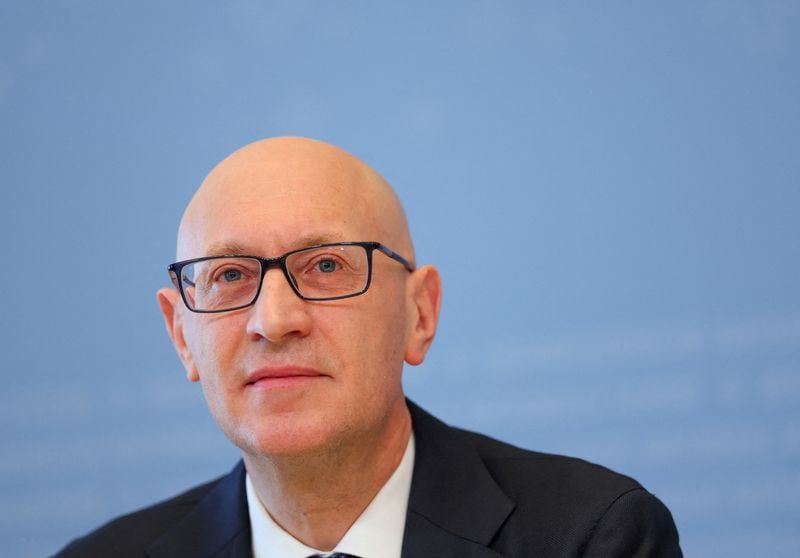
ZURICH, November 22 - The Swiss National Bank (SNB) is closely monitoring potential second-round effects from rapidly rising inflation ahead of its upcoming monetary policy decision, according to SNB Vice Chairman Antoine Martin. Speaking to Swiss newspaper Le Matin Dimanche, Martin noted that inflation has continued its upward trajectory since the last policy decision and emphasized that the SNB is closely watching the situation.
"We are paying particular attention to potential second-round effects," Martin stated. In October, Swiss annual inflation surged to 1.5% from 1% in September, prompting expectations that the SNB may raise interest rates in December. Following the release of this data, SNB Chairman Martin Schlegel remarked that the inflationary surge had caught the bank by surprise.
The SNB aims for an annual inflation rate of 0-2%. Martin reminded that the Swiss franc remains a "very clear" safe-haven currency, noting that in real terms it is still close to its level against the euro five years ago. Despite weakening against the dollar and euro earlier this year, the franc strengthened significantly in October due to AI-related market volatility, higher energy prices, and concerns about French public debt.
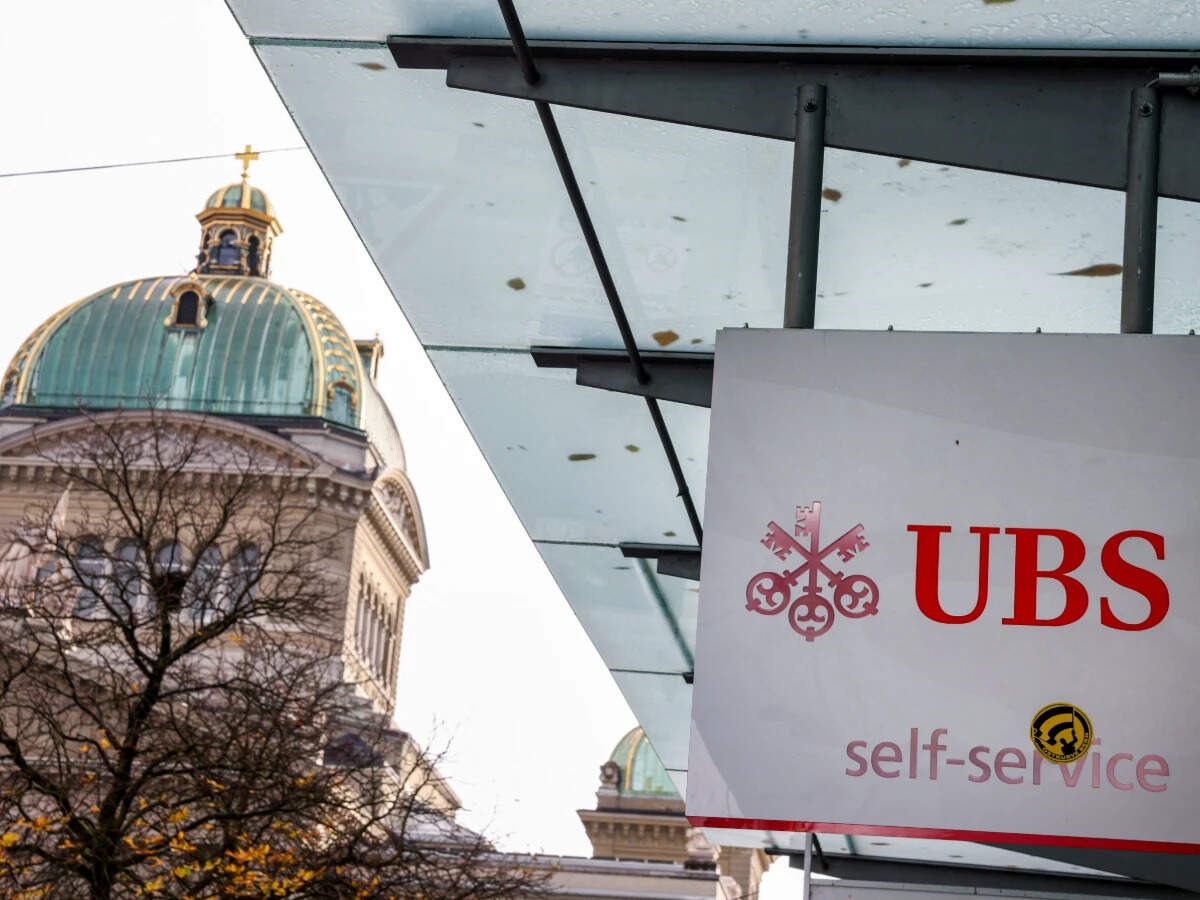
Martin reiterated that the SNB's primary concern is exchange-rate risk, encompassing fluctuations between the franc, dollar, and euro. He reaffirmed the SNB's support for a proposed Swiss government measure requiring UBS to fully capitalize its foreign subsidiaries, part of a broader overhaul of banking regulation following the 2023 Credit Suisse collapse.
UBS has criticized this proposal as excessive and potentially detrimental to its competitiveness, leading to speculation about a potential move of its headquarters abroad. When asked about the implications of UBS relocating to the US, Martin stated that this would be a decision for UBS management. He added that Switzerland offers political stability, a predictable legal framework, and a skilled workforce.
Rewritten by urgent.news; may contain errors — check the original.
Source: investing.com