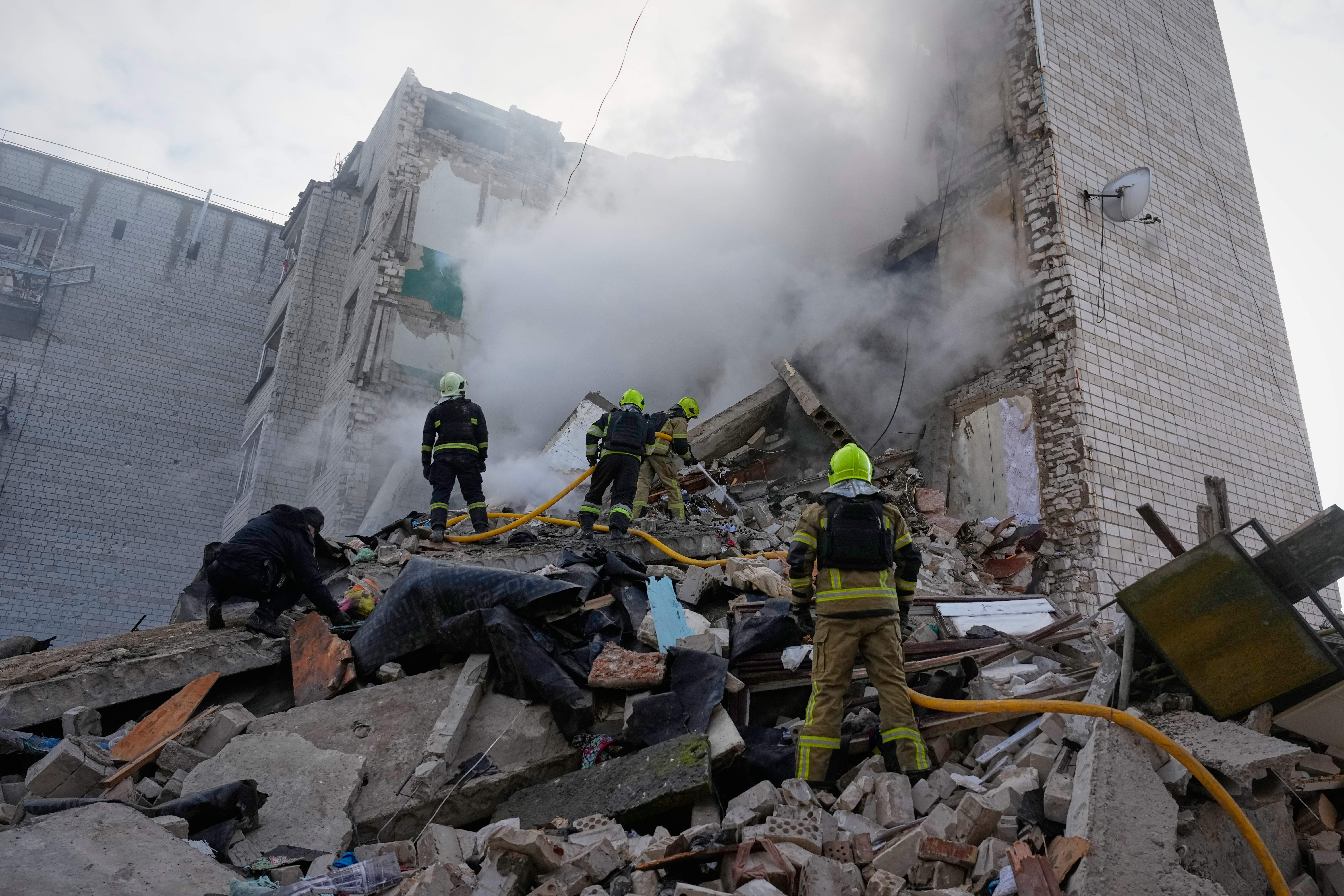
Russia tied its Kaliningrad drone scare to Lithuania—Vilnius says the viral fire photos came from Iran
Lithuania's crisis chief says there is no factual confirmation of any explosions in the exclave.
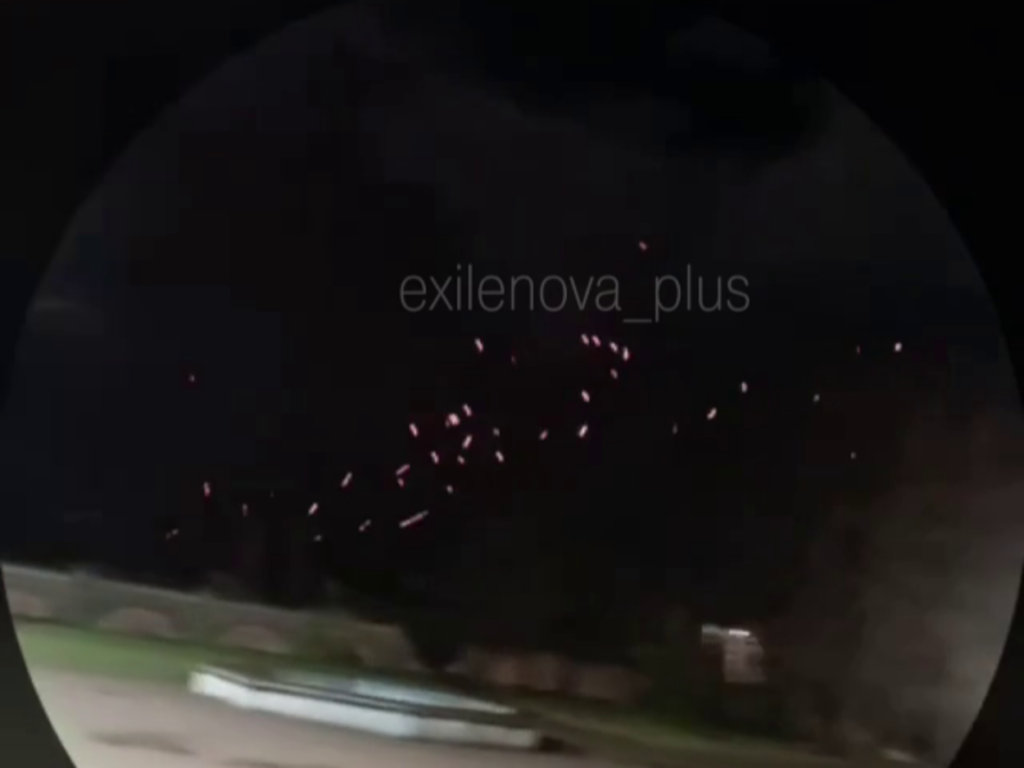
On 21 November, a NATO radar plane monitored the skies near Russia's Kaliningrad exclave in response to a reported drone attack, according to Ukrainian military outlet Militarnyi. However, Lithuania, which Governor Aleksei Besprozvannykh associated the alert with, reported no drones during the incident the same evening. Lithuania's crisis chief dismissed viral photos of drone fires as unauthentic, attributing them to originating from Iran.
Kaliningrad, a Russian exclave between Poland and Lithuania on the Baltic Sea, houses the main base of Russia's Baltic Fleet. Moscow has long accused the Baltic States of allowing Ukrainian drones to pass through their airspace, a claim Lithuania rejected as disinformation in April. In October, Lithuania's armed forces chief doubled patrols on its Kaliningrad border.
By tying the alert to Lithuania, Kaliningrad's governor aimed to blame a NATO member. A NATO E-3A Sentry radar plane, originating from Germany's Geilenkirchen air base, patrolled Polish airspace near the exclave for several hours after the reported attack on Baltiysk. The plane, capable of detecting low-flying targets up to 400 km away, communicated its findings to air, ground, and naval forces in near real-time.
Despite the alert, Lithuania's National Crisis Management Center confirmed no drones were detected by its air force. The center's head, Vilmantas Vitkauskas, dismissed the photos of drone fires as unauthentic, stating they were likely from Iran's territory, and dismissed claims of explosions in Kaliningrad Oblast as unfounded.
Rewritten by urgent.news; may contain errors — check the original.
Source: euromaidanpress.com