Pizza’s US Road Trip: How America Turned An Italian Classic Into A Regional Affair
Pizza or “pizza pie” as it’s know there as, truly reveals America’s appetite for reinvention. Travel across the country and “pizza” can summon a floppy Manhattan slice, a deep Chicago wedge, a blistered Connecticut pie or a rectangular Detroit square. Each is recognisably pizza, yet each speaks in a local accent. To say America has taken over Italy in the pizza stakes would be to commit culinary…
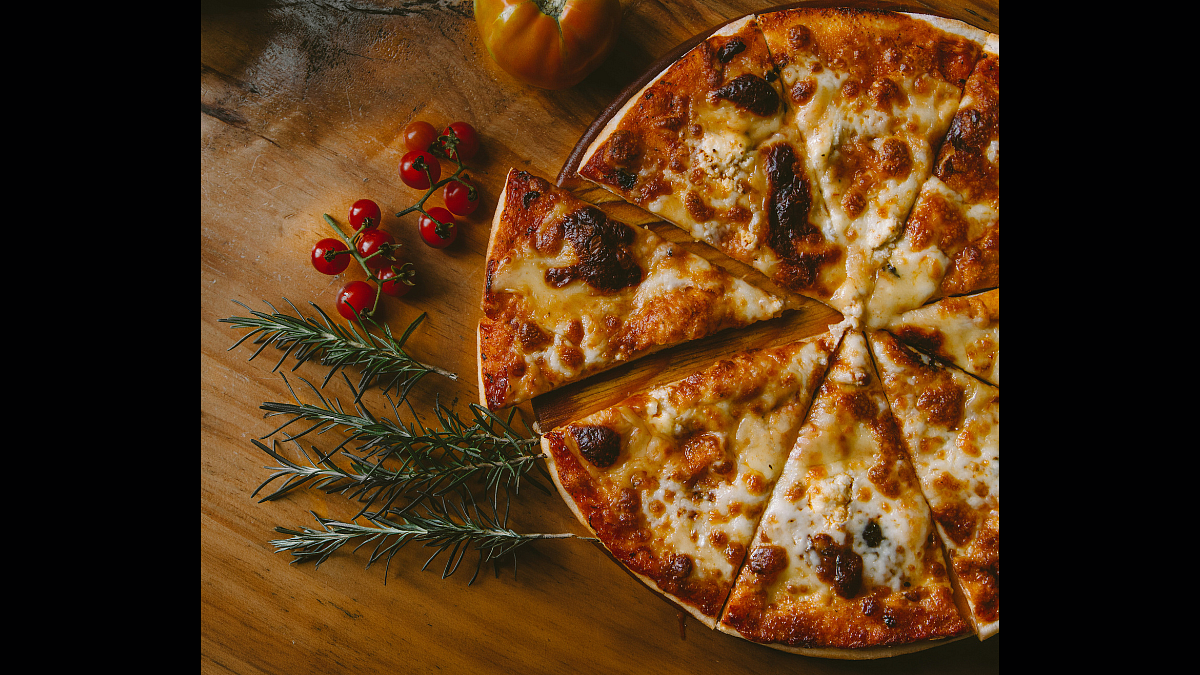
Pizza, known as "pizza pie" in America, showcases the nation's penchant for reinvention. Across the country, pizza can conjure images of a floppy Manhattan slice, a deep Chicago wedge, a blistered Connecticut pie or a rectangular Detroit square. While these are all recognizably pizza, each carries the unique flavor of its local region.
America has taken Italy's idea of pizza and run with it enthusiastically. Italy boasts an extraordinary array of pizza styles, from Neapolitan to Roman. However, American pizza has proven even more adaptable, expanding, shrinking, squaring off, deepening, customizing and reinterpreting the traditional pie. The journey begins in New York, where the classic New York slice reigns supreme.
Large, thin, and pliable, it features a crisp underside and chewy rim, perfect for folding and consuming on the go. Tomato sauce, mozzarella, and toppings provide enough structure to withstand the fold while offering a delightfully messy experience. Just a short distance away, New Haven prides itself on its apizza. Pronounced "ah-beetz," this style is characterized by a thin, chewy base, an irregular shape, and a pronounced char from a coal-fired oven.
Mozzarella may not always be present, and the basic tomato pie can be topped simply. The celebrated white clam pie incorporates clams, garlic, oregano, and cheese, resulting in a less floppy pizza with the focus on char and chew. Moving south, Chicago introduces a different take on pizza through its deep-dish and tavern-style varieties.
Chicago deep-dish, popularized by Pizzeria Uno in 1943, is baked in a deep pan with a thick crust, cheese, and fillings layered beneath a generous tomato sauce. This pizza resembles a savory pie, with the sauce protecting the cheese and toppings during baking. However, Chicago also boasts tavern-style pizza, which is thin, crisp, and often cut into squares, perfect for sharing.
To the east, Detroit presents another unique pizza style. Rectangular and baked in an oiled pan, Detroit-style pizza features a thick, airy crust with cheese pushed to the edges, creating a crisp border. Traditionally made with Wisconsin brick cheese and sauce applied on top, it has become a popular regional export. In St. Louis, pizza takes an opposite approach, with a famously thin, crisp, and unleavened crust.
Often cut into squares and topped with Provel, a local processed cheese blend, St. Louis-style pizza prioritizes crust and cheese. California takes pizza experimentation to new heights, treating it as a canvas for unique ingredients like smoked salmon, goat cheese, and barbecue chicken. This style prioritizes seasonal produce, chef-driven toppings, and a willingness to break traditional rules.
Beyond these well-known styles, regional gems like Trenton tomato pie, Philadelphia tomato pie, Old Forge pizza, Quad Cities pizza, Ohio Valley pizza, and Rhode Island's pizza strips add further diversity to the American pizza landscape. From New York-style slices to Oregon's bubble-style, the country's pizza culture is a testament to its adaptability and willingness to embrace local flavors and preferences.
The question "What is authentic pizza?" loses its relevance as one traverses the nation, replaced by "What does pizza mean here?" Each region offers a different perspective on America's beloved dish, making pizza a passport to understanding a city's immigrants, industries, habits, and tastes. For travelers, exploring America's pizza offerings becomes an insightful and delicious way to experience the country's diverse culinary landscape.
Rewritten by urgent.news; may contain errors — check the original.