Most Southeast Asian countries have fertility rates too low to replace their populations, study finds
People across most of Southeast Asia are marrying later, having fewer children and living in smaller households, the first regional report on ASEAN families has found.
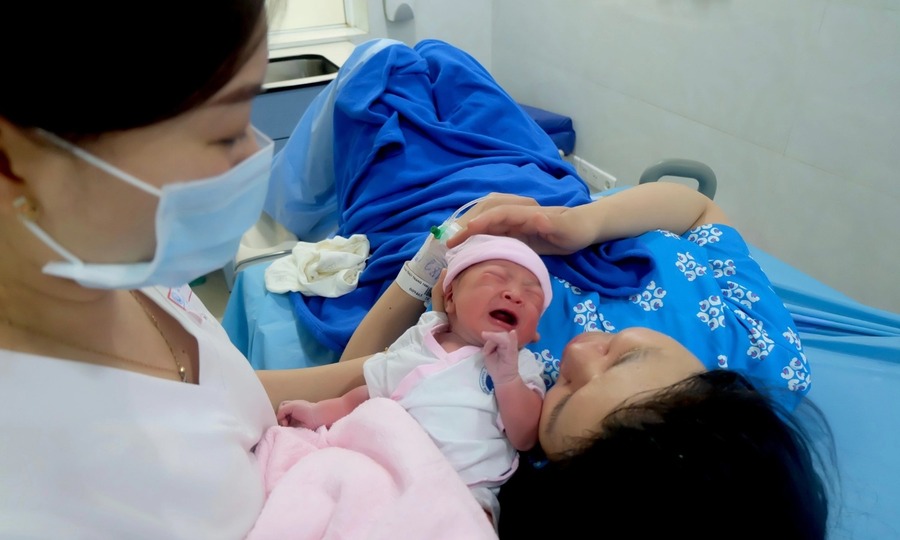
The State of ASEAN Families Report 2026, released in Singapore, reveals that most Southeast Asian nations have fertility rates too low to sustain their populations, according to the report. Of the 10 member states, only Cambodia, Indonesia, and Laos maintain fertility rates at or above the replacement level of 2.1 births per woman.
Singapore's fertility rate hit a record low of 0.87 in 2025, while Vietnam's rate in the same year was reported as 1.66, down from 1.93 according to the National Statistics Office's Population Change and Family Planning Survey. The median age at first marriage has increased across most member states, ranging from 21.2 to 29.6 years for women and 24.4 to 31.1 years for men.
Average household sizes have also declined, with Singapore's dropping from 3.4 people in 2015 to 3.1 in 2025. Despite these changes, 92.7% of respondents reported moderate to high family resilience, and 79.6% said their families were close-knit. Nuclear and three-generation households generally reported higher resilience, well-being, and quality of life compared to other household types.
Singapore's Social and Family Development Minister Masagos Zulkifli highlighted the need for a collective evidence base to better understand these trends and design effective policies for the region.
Rewritten by urgent.news; may contain errors — check the original.
Source: e.vnexpress.net