Kommentar: Pleiteshow in Antalya – doch dem Klimaschutz bleibt eine große Hoffnung
Die Bremskraft der Ölstaaten trifft auf eine überforderte Präsidentschaft, die Klimakonferenz droht zu scheitern. Jetzt hilft nur noch pure ökonomische Vernunft.
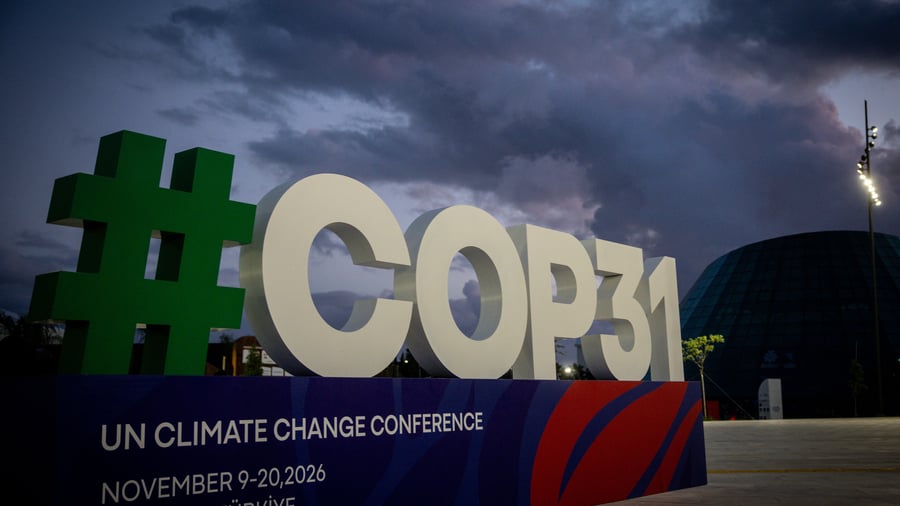
In the wake of the Glasgow climate summit in 2021, which marked the first time coal phase-out was mentioned in a world conference's final document, a significant shift in international consensus began to emerge. The trend continued two years later, during the 2023 climate summit in Dubai, where nations acknowledged the gradual decline of oil and gas consumption, notably in a petrostate.
Fossil fuels, namely coal, oil, and gas, are the primary catalysts for escalating global warming and associated weather extremes. As the discussion around phasing out these environmentally harmful energy sources intensifies, so does the resistance from oil-producing countries.
German Environment Minister Carsten Schneider (SPD) succinctly summarized the situation in Antalya, stating that there are countries unwilling to even use the term "fossil fuels." Among these resistant nations, Saudi Arabia stands out as the most formidable adversary when faced with an ambitious or overwhelmed presidency. The efficacy of international climate cooperation largely hinges on the negotiating prowess of the conference presidency.
Harmonizing the diverse positions of nearly 200 participating countries is not a trivial task, but a critical necessity to make tangible progress in combating climate change.
Rewritten by urgent.news; may contain errors — check the original.
Source: handelsblatt.com