Khudair sorghum season boosts Jazan farms and markets
Jazan is witnessing vibrant agricultural and economic activity as the Khudair sorghum harvest fills fields and markets with fresh green stalks.
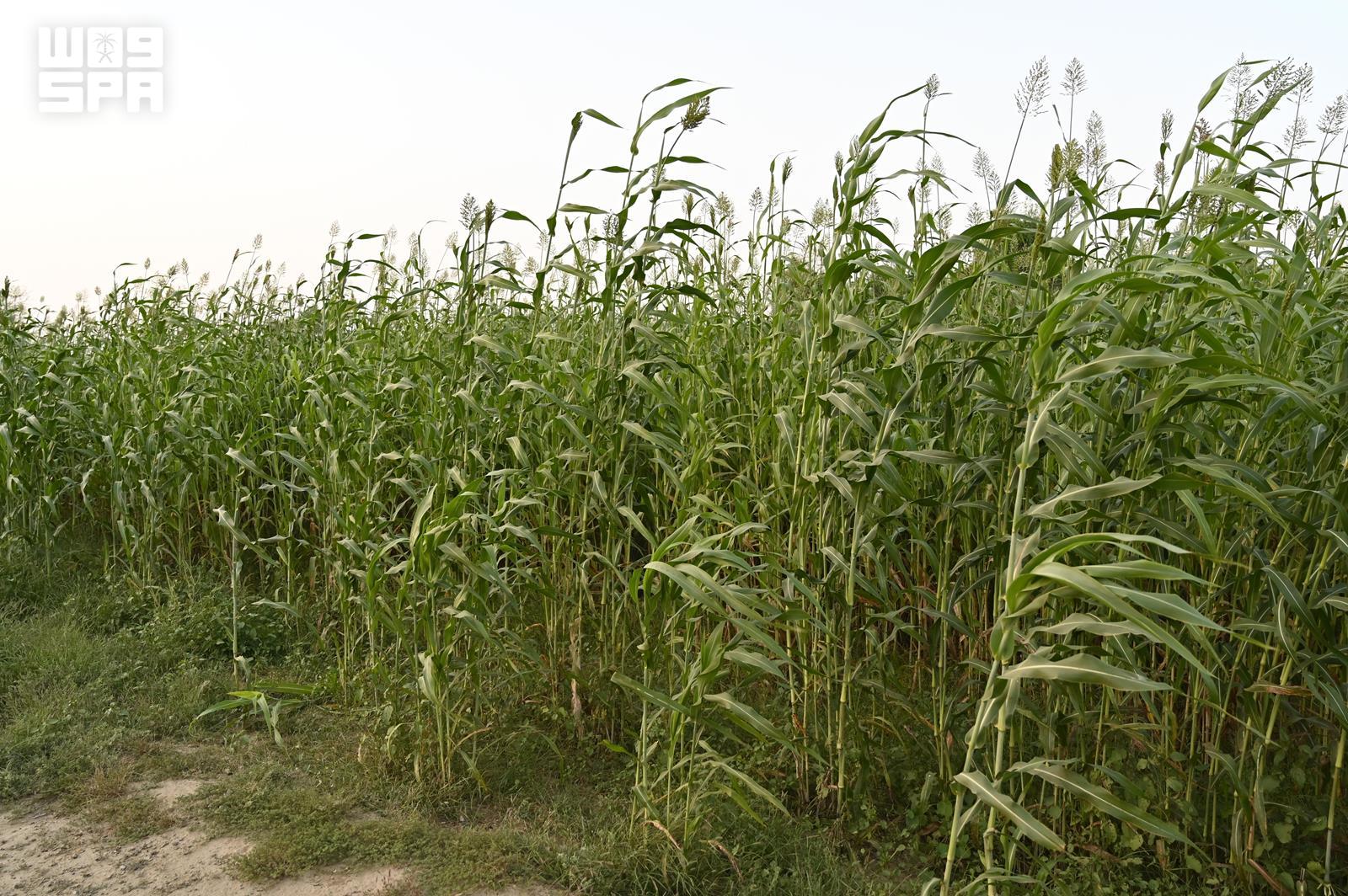
Jazan is experiencing a lively agricultural and economic surge as the Khudair sorghum harvest makes an entrance, filling fields and markets with fresh green stalks. The Khudair sorghum season, which unites local culinary customs with Jazan’s agricultural traditions, has reignited farm activity across the region. The Khudair season encompasses the cultivation of both white and red sorghum varieties on more than 60,000 hectares, spanning from coastal lowlands to mountainous areas. This significant crop is deeply embedded in the social and economic fabric of Jazan residents.
As the sorghum stalks transition from yellow-green to ripe, farmers meticulously harvest them at their optimal stage of growth. The term “Khudair” specifically denotes the distinct green hue of the selected stalks, representing a tradition carefully handed down through generations. These stalks are gathered and prepared for distribution to homes and markets, upholding a practice that has been refined over centuries.
Fresh sorghum stalks are prominent in local markets during the season, drawing in numerous buyers from the community. Farmers gain the advantage of selling their harvest directly, with prices determined by the size and quality of the stalks, thereby underscoring the nutritional and economic worth of sorghum in the local market.
The time-honored practice of “khabit” — the manual separation of grains from the stalks — remains essential. Women are responsible for cleaning, washing, and grinding the grains, adhering to a series of steps that have been passed down through the region, ensuring the optimal utilization of their natural resources. Khudair sorghum is an integral part of Jazan’s culinary heritage, with families preserving traditional recipes across generations.
Culinary delights made from this grain include oven-baked bread served with milk or yogurt, “marsa” — a concoction of sorghum malt, ghee, and honey, “mafalat,” and boiled or roasted stalks referred to locally as “shuwait.”
The Khudair sorghum harvest is celebrated through heritage festivals, which showcase the sorghum season as both a cultural and tourism experience. These events introduce visitors to the various stages of sorghum production and traditional preparation methods, offering a window into the customs surrounding the harvest. This celebration not only honors rural life but also reinforces the community’s deep connection to the land.
Rewritten by urgent.news; may contain errors — check the original.
Source: english.ajel.sa