JOining Demonstrations IN Space
Why is joining materials in space different than on Earth? While joining technologies can be developed and tested on Earth, space introduces unique environmental conditions that may affect their performance. Vacuum, microgravity, and extreme temperature fluctuations can affect heat transfer, material behavior, robotic operations, and welding processes. Testing these technologies in space helps…
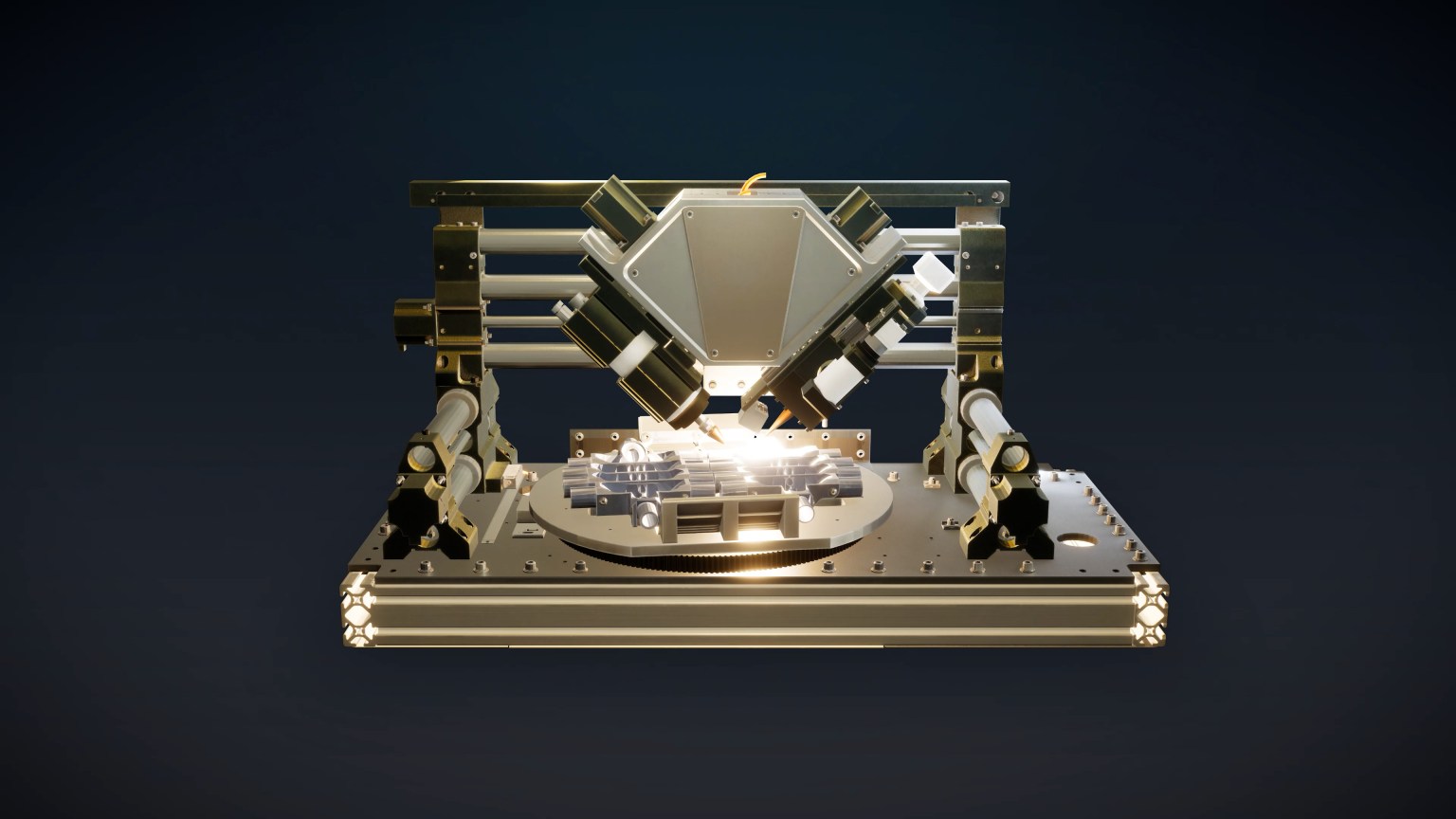
Joining Demonstrations IN-Space (JOINS) is a mission developed by Lockheed Martin under the Research and Technology Mission Directorate (RTMD) to advance technologies that enable robotic systems to join materials and construct large structures directly in outer space. The primary goal of this initiative is to explore the unique environmental conditions present in space that could potentially impact the performance of these joining technologies.
In Earth's atmosphere, these technologies can be developed and tested in controlled settings. However, space presents distinct challenges that may affect the effectiveness of the systems. Factors such as vacuum, microgravity, and extreme temperature variations can influence heat transfer, material properties, robotic operations, and welding processes.
By conducting tests in space, researchers can validate the feasibility of these technologies, enhance their readiness for practical applications, and gain the necessary confidence to incorporate them into future space missions.
Rewritten by urgent.news; may contain errors — check the original.
Source: nasa.gov