Iran faces economic war harder than missiles: Is Tehran’s leadership beginning to crack?
Is Iran’s leadership cracking under US economic siege?
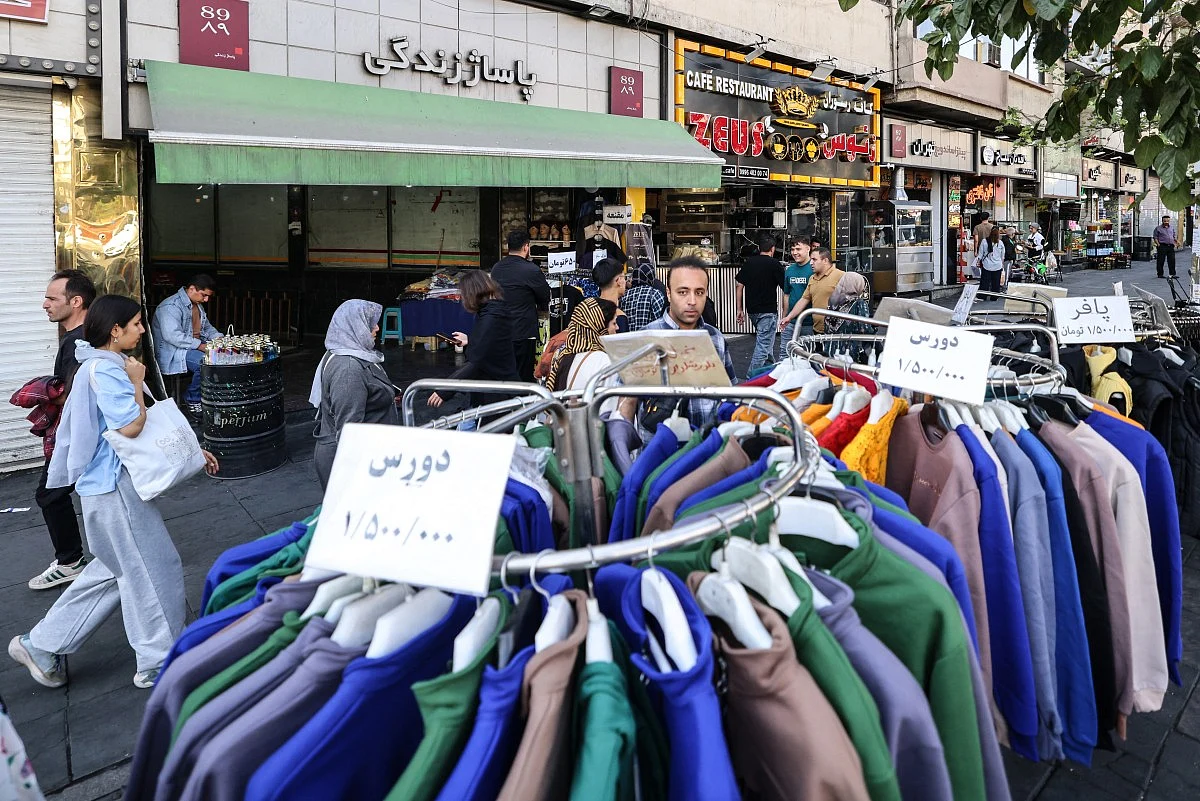
Iran is currently grappling with an economic war that President Masoud Pezeshkian admits is more severe than missile strikes. The United States, through Treasury Secretary Scott Bessent, claims its campaign aimed at isolating Tehran is starting to create fissures within the country's leadership. As Iranians endure soaring prices, dwindling incomes, and a looming harsh winter, concerns are mounting about whether Tehran's leadership can withstand the mounting economic pressure.
According to Bessent, the regime is "wounded cornered animals" and could face internal dissent as the economic blockade intensifies. Tehran's president acknowledged during an annual capital markets conference that the economic struggle is harder than one involving missiles and destruction, warning that shortages ahead of winter could pose significant challenges.
Despite the government's efforts to protect factories and prioritize essential services, concerns remain about the potential impact of further industrial disruptions on unemployment and economic hardship. Reports indicate that inflation has reached 88.7% year-on-year, severely impacting purchasing power, while food and beverage prices have surged by 121.8% in September.
Families are forced to cut back on basic necessities, with some resorting to borrowing, exhausting savings, or even moving in with relatives. The situation has prompted feelings of despair among many Iranians. Iran's crude oil production has plummeted to approximately 1.8 million barrels daily, significantly reducing the country's export revenue.
This financial squeeze is weakening the government's capacity to sustain its confrontation with the United States. Although economic damage does not necessarily lead to political collapse, the World Bank projects a contraction in Iran's economy, with prolonged conflict potentially exacerbating poverty and food insecurity. Winter could prove to be another critical test, with damage to gas-processing plants expected to create a winter gas deficit of around 430 million cubic meters.
Iran has been preparing contingency plans, but Pezeshkian has emphasized that industry should be the last sector affected. The leadership within Iran is grappling with competing approaches to confront the blockade, with hardliners advocating for Iranian tankers to challenge US naval restrictions, while others warn of the dangers of escalating a broader military confrontation.
Foreign Minister Abbas Araghchi has maintained a diplomatic stance, expressing Tehran's readiness to negotiate if Washington demonstrates willingness to engage in agreement-building.
Rewritten by urgent.news; may contain errors — check the original.
Source: gulfnews.com