I gave my Raspberry Pi an NVMe drive, and it finally feels like a real computer
The storage was the bottleneck all along.
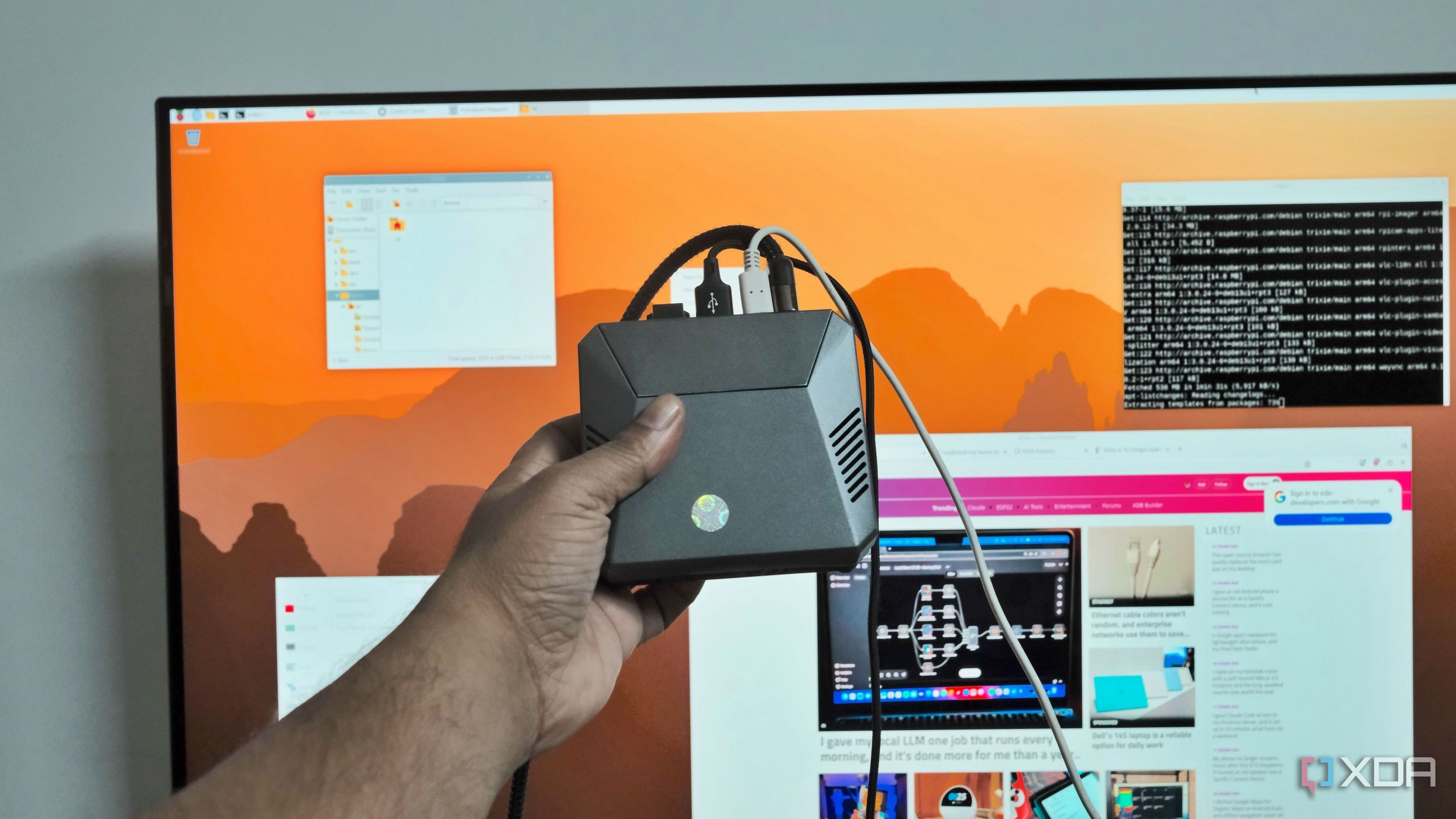
For years, the author had used their Raspberry Pi as a stepping stone for their home lab, running Pi-hole, Jellyfin, and even a dashboard. However, when trying to run Docker containers, the device struggled to keep up with the demands. The culprit behind the underperformance was not the processor or RAM but the microSD card acting as the bottleneck.
After swapping the microSD card for an NVMe drive, the Raspberry Pi transformed into a reliable computer, capable of handling several services and containers simultaneously without freezing or crashing. The upgrade eliminated the fear of power cuts, allowing the Pi to boot cleanly after interruptions. This change opened up the possibility of trying new applications and services, as the Pi could now handle heavier workloads and store larger amounts of data.
While the NVMe drive did not significantly speed up file transfers or improve spec sheet performance, it provided the stability and reliability needed for the Raspberry Pi to be treated as a true computer.
Rewritten by urgent.news; may contain errors — check the original.
Source: xda-developers.com