How to Deal with Anxiety
Anxiety is common and treatable, writes Joan M. Cook
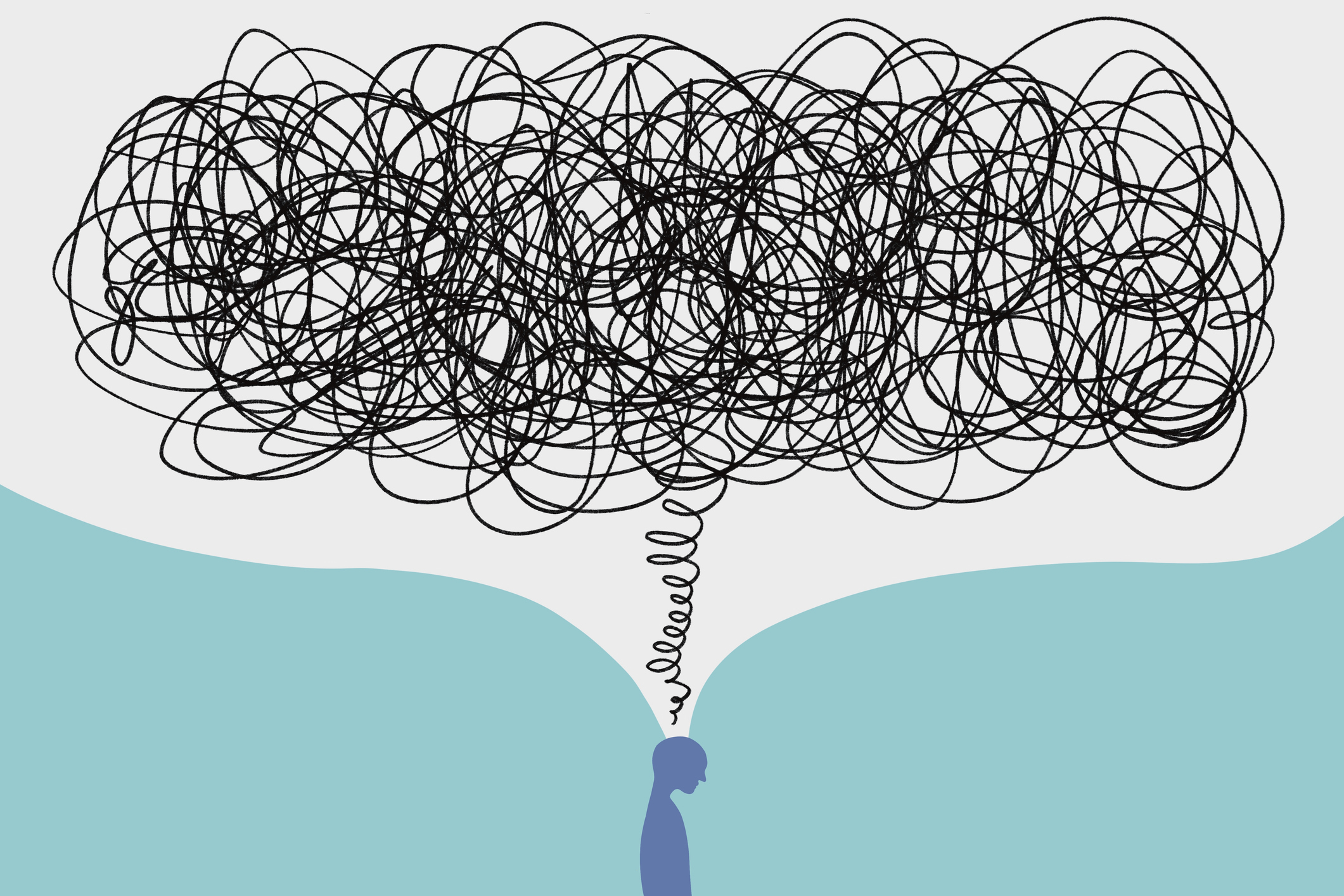
Anxiety is the most prevalent mental health concern affecting adults in the United States, with around 19% of the population meeting criteria for an anxiety disorder annually. Often, individuals fail to recognize their struggles or attribute them to physical ailments. Although occasional worrying is common, persistent, worsening anxiety can significantly impair one's ability to function at work, school, or in relationships. This form of anxiety becomes problematic and may be indicative of a diagnosable disorder.
Anxiety disorders encompass various conditions, such as generalized anxiety, panic, phobias, and obsessive-compulsive disorder, all of which share underlying causes. Cognitive-behavioral therapy (CBT) is an effective treatment that aids patients in identifying and managing the factors contributing to their anxiety. By altering unhelpful thought patterns, individuals can decrease the frequency and intensity of their anxious symptoms.
They can also learn techniques to regulate their anxiety, enabling them to engage in productive problem-solving.
Despite the availability of treatments, barriers such as financial constraints, transportation issues, scheduling difficulties, stigma, poor access, and limited availability can hinder individuals from seeking assistance. To overcome these obstacles, psychologist Anne Marie Albano from Columbia University has developed several interventions, including Coaching Approach Behavior and Leading by Modeling (CALM) for young children and the Launching Emerging Adults Program (LEAP) for individuals transitioning into adulthood.
Albano recommends practicing deep breathing exercises as a versatile and accessible technique to manage anxiety. By focusing on a quiet or pleasant scene in their minds and following a slow breathing pattern, individuals can quickly regulate their anxiety and use this method in various situations.
In addition to breathing exercises, physical activity is crucial for alleviating anxiety for people of all ages. Regularly engaging in outdoor activities, such as walking, playing sports, yoga, or swimming, can improve one's physical and mental resilience. Even a short 10-15 minute daily session can significantly enhance one's ability to cope with stress and foster social connections.
If formal mental health services are inaccessible, resources like the Association for Behavioral and Cognitive Therapies offer research-based information on anxiety disorders, treatments, and therapist directories in both English and Spanish. The National Institute of Mental Health also provides a wealth of information on anxiety, including free digital brochures, fact sheets, the latest research updates, and guidance on finding help and support.
Rewritten by urgent.news; may contain errors — check the original.
Source: time.com