How This Year’s Super El Niño Will Worsen Global Hunger
While some regions get wetter, others face massive drought. On top of wars and cuts to foreign aid, the weather phenomenon could leave millions of people in vulnerable countries without enough to eat.
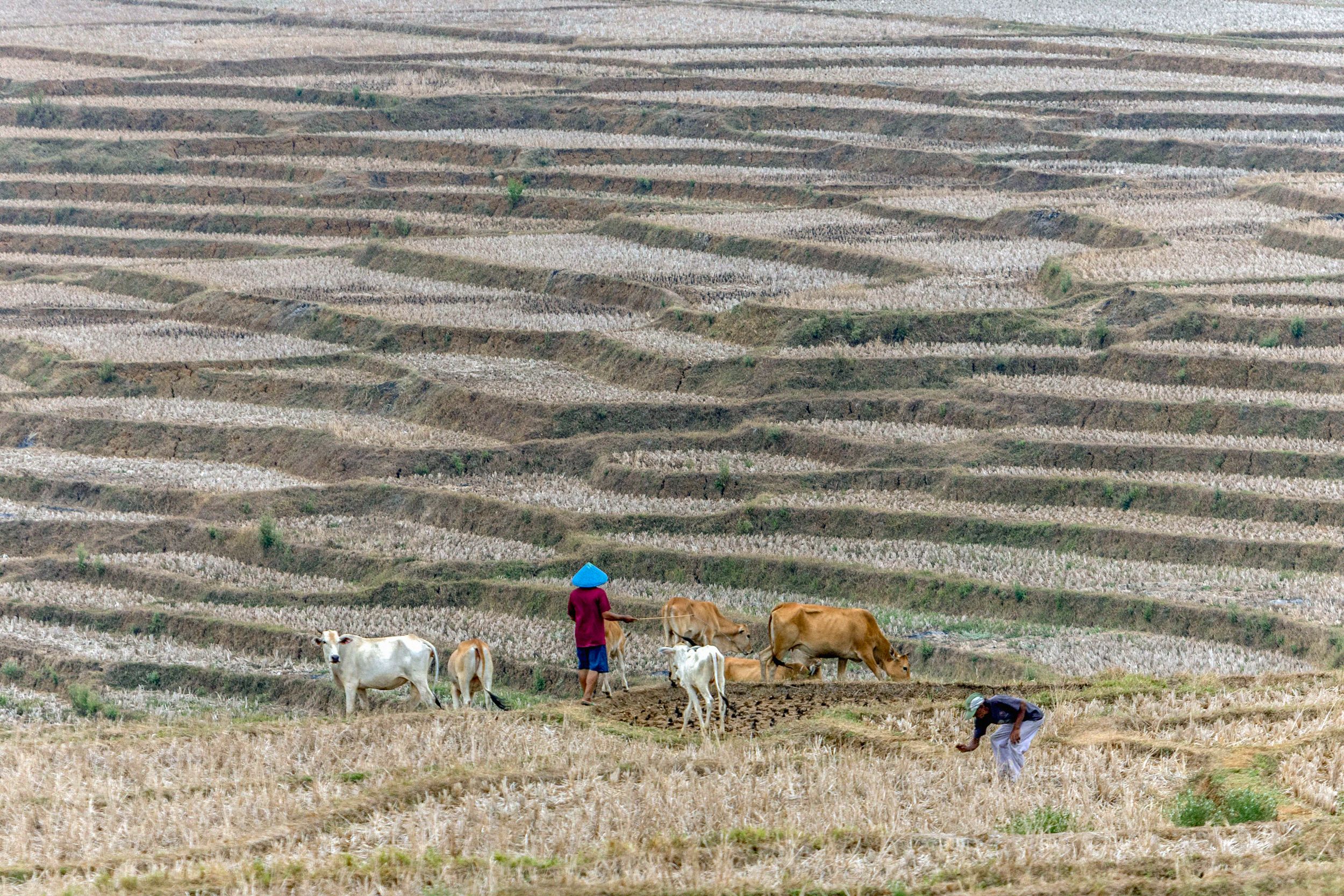
This year's intense El Niño event is poised to exacerbate global hunger, potentially driving 49 million more individuals into acute food insecurity by the end of 2027, surpassing previous record-holding El Niños. The phenomenon, which has already reached unprecedented levels of strength, is set to peak in early winter, with sea-surface warming in the tropical Pacific expected to surpass anything seen in a millennium.
The World Food Programme has warned of the potential for this El Niño to severely impact Southern Africa, where cereal yields dropped by up to 90% during a similar event in 2015. Factors contributing to the worsening situation include high fertilizer and energy costs, conflicts disrupting global food systems, and the ongoing war in Ukraine affecting fertilizer supplies and fuel prices.
El Niño, a phase of the El Niño-Southern Oscillation climate pattern, brings warm waters to the tropical Pacific, disrupting global rainfall patterns and leading to drought in some areas and heavy rains in others. While some crops may benefit, El Niño generally suppresses maize, rice, and wheat production, with South Africa's maize output typically averaging about 28% below normal during El Niño years.
The confluence of drought, conflict, and constrained markets has created a perfect storm, making it difficult for farmers to afford inputs and cope with crop failures, ultimately leading to soaring food prices and widespread hunger.
Rewritten by urgent.news; may contain errors — check the original.
Source: wired.com