GCC railway project: A strategic catalyst to turbocharge economic integration, regional connectivity
<p>Doha, Qatar: The six Gulf Cooperation Council (GCC) states signed the general agreement on connecting the GCC nations to the railway project in Manama, Bahrain, on Nov. 8, 2026, marking a strategic step toward strengthening Gulf integration and expanding the region's transportation network. The signing took place on the sidelines of the 30th meeting of the GCC Committee of Transport…
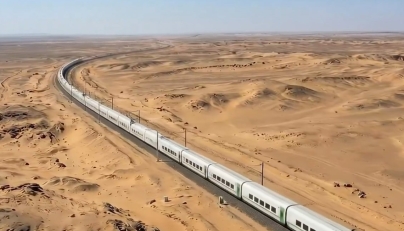
Doha, Qatar - On November 8, 2026, the six Gulf Cooperation Council (GCC) nations signed an agreement to connect their countries through a railway project in Manama, Bahrain, signaling a significant move toward regional integration and enhanced transportation connectivity (1). This agreement, signed during the 30th meeting of the GCC Committee of Transport Ministers, establishes a joint framework for coordination and implementation, outlining each country's responsibilities and setting timelines for project completion (2).
The pact standardizes technical and operational specifications across member states' railway networks, ensuring compatibility and seamless integration (3). It reflects the GCC states' ambition to transcend mere coordination and shared understandings, moving towards institutional integration and cross-border strategic projects (4). This step showcases their commitment to deepening connectivity, supporting development, and promoting prosperity (5).
The railway project, spanning approximately 1,768 kilometers, has progressed to 55.92% completion as of 2026, with an expected full operation by the end of 2030 (6). Originating in 2009, the initiative was approved by the GCC Supreme Council to boost trade, streamline travel, and foster economic exchanges among the member states (7). In 2021, the Supreme Council designated the GCC Railway Authority to oversee the project's implementation and ensure its alignment with national railway systems (8).
Dr. Nafja Sabbah Al Kuwari, Assistant Professor of Political Science at Qatar University, views the signing as a watershed moment in Gulf integration, with implications extending beyond economic gains to political and strategic dimensions (9). She emphasizes that the project not only establishes a cross-border transportation network but also lays the groundwork for shared infrastructure that could reshape socioeconomic connectivity and fortify GCC states' resilience against regional and global challenges (10).
From a regional integration perspective, Dr. Al Kuwari highlights that cross-border projects like this one foster mutual interdependence, sustain cooperation, and mitigate political divergence. The project's significance lies in its ability to transform agreements into policies requiring sustained coordination, thereby strengthening functional integration and positioning cooperation as a strategic priority (11).
She further notes that the railway network's strategic importance includes diversifying supply routes to enhance economic security, reduce dependency on conventional transportation, and bolster resilience against external disruptions (12).
Dr. Al Kuwari also underscores its potential to improve food security by facilitating the distribution of goods across Gulf markets and optimizing responses to fluctuating supply and demand (13). During regional crises, the railway network could provide additional land routes for essential supplies, contingent upon integration with ports, storage facilities, and customs procedures to enhance collective resilience (14).
Rewritten by urgent.news; may contain errors — check the original.
Source: thepeninsulaqatar.com