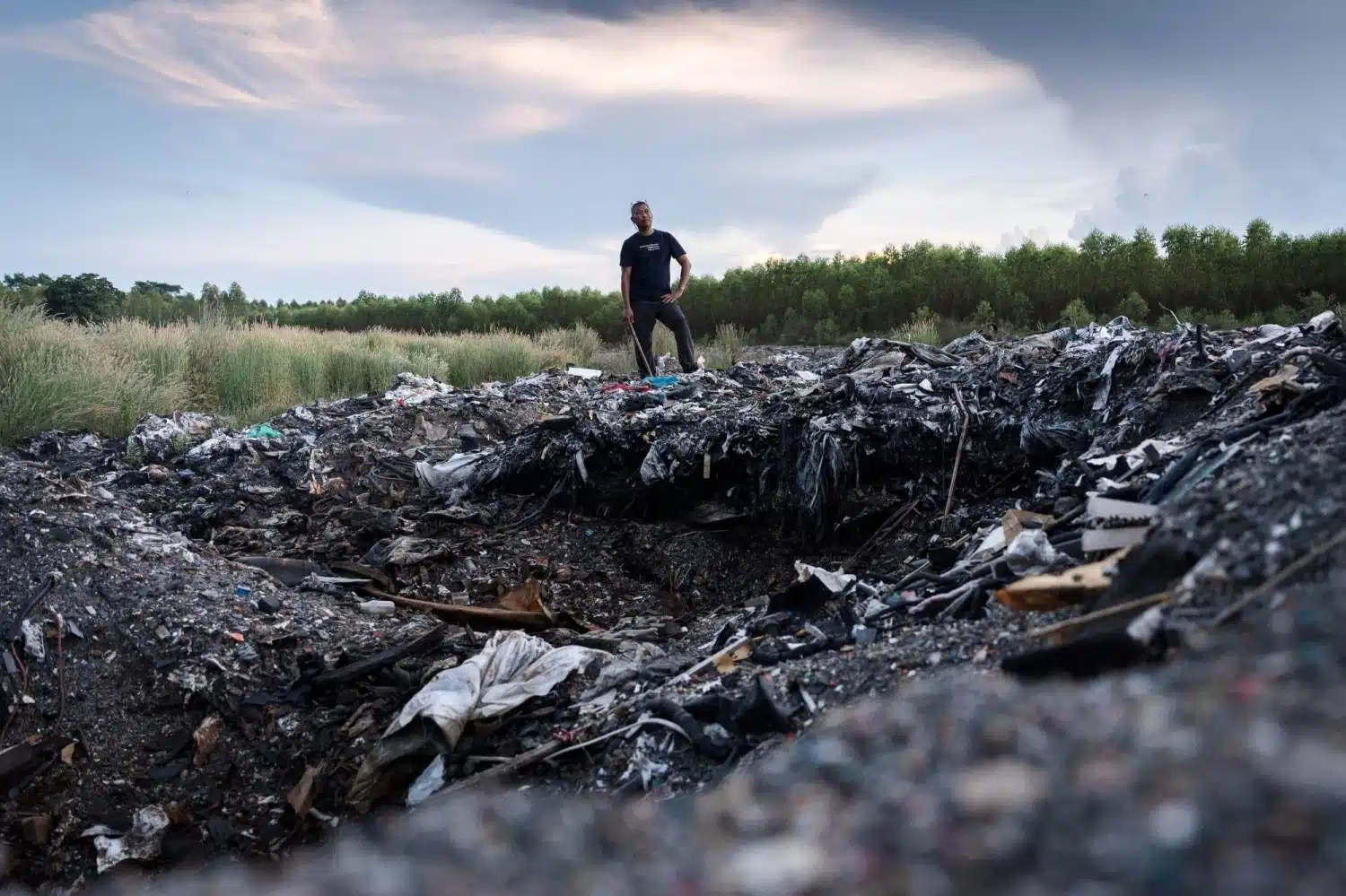
Enduring ecological liabilities of modern warfare
LETTER: As COP31 delegates this week seek the answer to how best to protect the environment during the annual global climate summit in Antalya, Turkiye, global security faces a stark energy paradox.
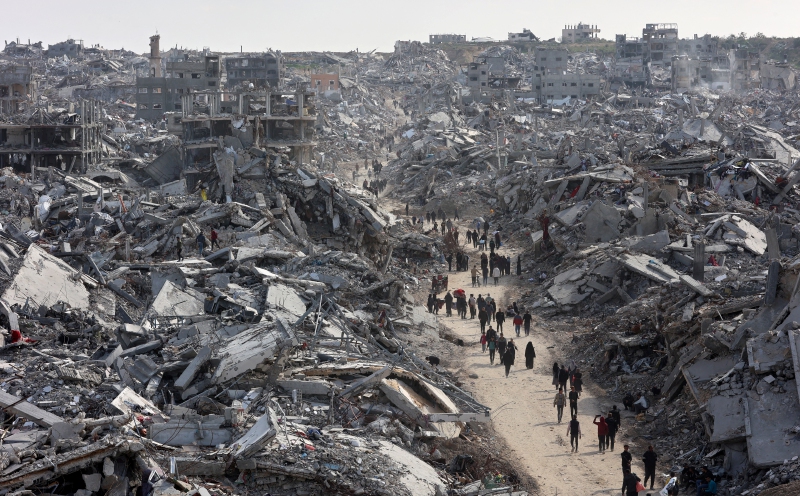
As world leaders convene for COP31 to address climate change, a stark reality confronts global security: armed forces remain heavily dependent on fossil fuels, even as nations strive to reduce carbon emissions. This environmental paradox poses a significant challenge for modern warfare. The military carbon footprint is enormous, with the end of World War 1, a devastating four-year conflict, resulting in 16 million deaths and 16 billion tonnes of carbon dioxide emissions in 1918.
Modern high-intensity warfare exacerbates this legacy, with Russia's invasion of Ukraine alone generating 175 million tonnes of carbon dioxide equivalent in its first two years due to fuel consumption, fires, and infrastructure destruction. In the Middle East, the initial weeks of conflict between the US, Israel, and Iran emitted over five million tonnes of carbon dioxide equivalent, surpassing Iceland's annual emissions, while 15 months of war in Gaza produced more than 33 million tonnes of emissions.
Climate change introduces an additional layer of complexity to military operations, creating a "climate fog" that makes operational uncertainty even more perilous. Scorched forests, damaged power grids, and contaminated water sources are not just temporary losses; they represent long-lasting climate liabilities that can compound over time, affecting regional operational theaters for generations.
Sun Tzu's ancient wisdom advises that true military strength lies in "winning without fighting," emphasizing the importance of conflict avoidance. Every conflict averted saves military resources, preserves vital ecosystems, and prevents the buildup of costly post-conflict reconstruction emissions.
Defense planners face a critical dilemma: they must provide their forces with energy resilience while simultaneously transitioning to clean power technologies. While futuristic solutions, like Tony Stark's miniature power reactor, may seem appealing, they are impractical for real-world military operations. The key to effective security lies in making pragmatic choices: avoiding unnecessary conflicts, mandating military emissions accounting, aggressively investing in renewable energy for military bases and logistics networks, and integrating climate security considerations into national defense strategies.
Ending wars alone cannot solve global warming, but as long as conflicts persist, achieving climate stability will remain a daunting task. World leaders must recognize that the wars they choose to fight today may make tomorrow's climate challenges even more formidable to overcome.
Rewritten by urgent.news; may contain errors — check the original.
Source: nst.com.my