Empty Vande Bharat train travels 463 km with faulty brakes; probe ordered
According to railway officials, the braking arrangement of the passenger train had to be connected to the braking system of the freight locomotive assigned to pull it for the entire journey. However, railway personnel allegedly failed to ensure that the two systems were properly integrated. They also reportedly proceeded with the movement despite the train crew raising concerns about the braking…
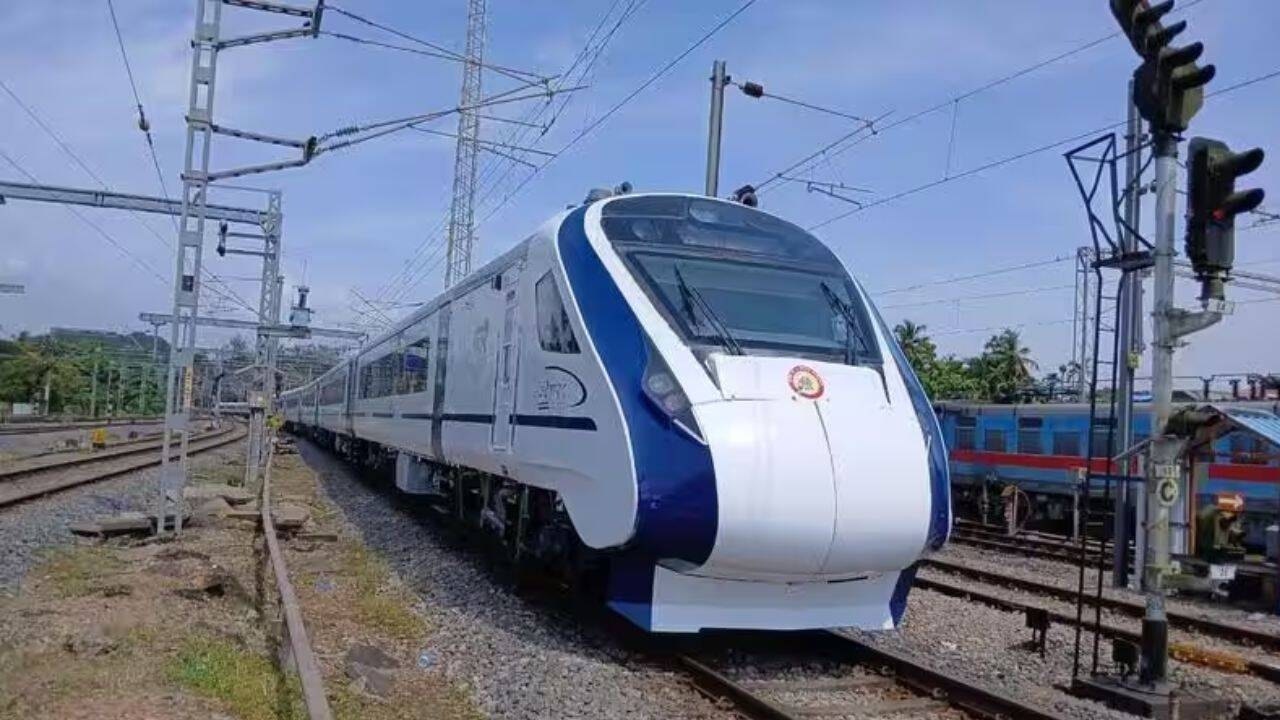
On October 24, an empty Vande Bharat train journeyed 463 kilometers from Jharkhand to Uttar Pradesh, despite operators' concerns over its braking system's efficacy. This occurrence has triggered an investigation by the South Eastern Railway zone, as operating a train with insufficient braking power could endanger passenger safety and derail other services. The incident occurred just before the Kolkata-Sairang Express derailed in Assam on November 11, allegedly due to similar negligence, according to a PTI report.
The Vande Bharat rake, composed of empty chair cars, was intended to be pulled by a freight locomotive from Hatia in Jharkhand to Jhansi in Uttar Pradesh. Railway officials stated that the train's braking system had to be linked to the freight locomotive's system for the entire trip. However, officials allegedly neglected to ensure the two systems were properly linked. They also proceeded with the journey despite the crew raising concerns about the train's braking performance.
The railway zone emphasized that operating a train with inadequate braking power is a serious safety concern that could result in a major accident, endangering staff and passengers and compromising railway operations. The South Eastern Railway (SER) zone subsequently directed the Divisional Railway Manager (DRM) of Ranchi to probe the incident. The order, dated November 7, stated that instructions had been given on October 24 for the empty Vande Bharat rake to be moved from Hatia to Jhansi.
Despite the warning, the train was allowed to continue despite the brake power issue. Railway officials reported that the brake feel and brake power test carried out after the train left Hatia revealed a serious problem with the train's braking ability. The order noted that the train was permitted to proceed in the same condition despite the reported poor brake power.
The problem persisted even after another locomotive pilot took over the train at Muri station, who also warned the relevant controllers about the ineffective brakes. Railway personnel at Deen Dayal Upadhyaya (DDU) station in Uttar Pradesh's Chandauli district eventually discovered that the braking systems in all coaches had been isolated, leaving the coaches without functional brakes.
The preliminary investigation attributed the incident to lapses by various railway personnel, including coach and wagon maintenance staff, station controllers, and the train crew.
Rewritten by urgent.news; may contain errors — check the original.