Council allows private land burials for those who 'belong to the land'
Few rules govern spreading ashes after a person dies, but burial outside a cemetery is approved only in exceptional circumstances. In South Australia, a local council is about to make private burials easier.
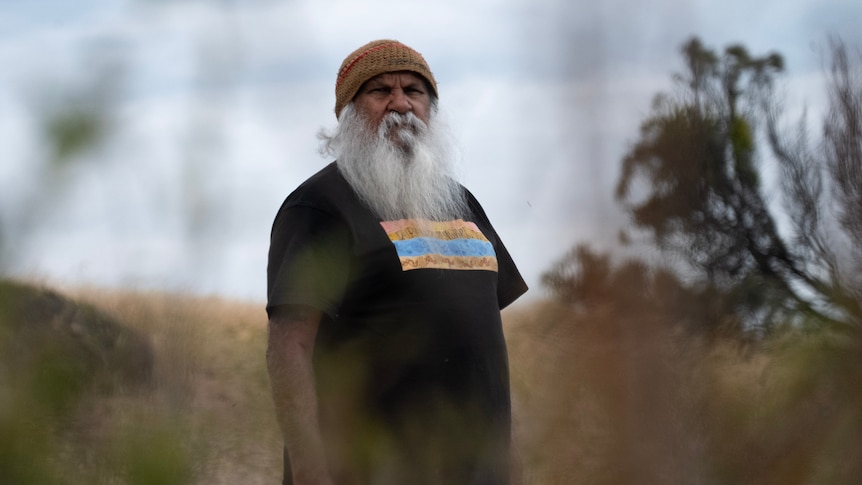
The Coorong District Council in South Australia recently approved a new policy permitting burials on private land. Family-owned farms are eligible for this type of interment, although they offer fewer protections compared to designated cemeteries. The Aboriginal Lands Trust (ALT) manages certain land, and burials on these sites will never be disturbed.
A recent funeral procession in the region involved a Harley-Davidson motorcycle carrying the coffin of Basil "Mulla" Sumner to a windswept area overlooking the estuary, where he was laid to rest. Mulla Sumner, a Ngarrindjeri and Kaurna man, wished to be buried near where his father was born, on the traditional land he and his brother, Major "Moogy" Sumner, grew up on.
The policy, implemented by several councils in South Australia, does not permit burials on private properties within town boundaries. This limits eligibility to large areas such as family farms and ALT-managed lands. While there are concerns about the potential for human remains to be disturbed if a property is sold, ALT-managed sites have stronger protections.
The policy requires public recording of burials, maintains a 20-meter distance from structures, and prohibits any risk to waterways. Deputy Mayor Jonathan Pietzsch expressed community unease about the proposal, particularly regarding the potential for remains to be dug up if a property changes hands. However, ALT-managed plots have stronger legal safeguards preventing disturbance.
Local farmers, like Sam Dodd, have long-standing connections to the Coorong region and are contemplating burial options. Dodd, a fifth-generation farmer, prefers cremation to prevent a visible grave and suggested scattering ashes into fertiliser to spread the remains across the land. The council must evaluate the potential for disturbances at private burial sites and retains discretionary power to deem a site unsuitable.
Council officials are optimistic about the policy's ability to facilitate the return of Aboriginal remains to their ancestral lands, with hope that future generations will view the decision positively.
Rewritten by urgent.news; may contain errors — check the original.
Source: abc.net.au