COP’s fossil fuel consensus falls apart
Negotiations collapsed at the last minute over deep disagreements on their most basic provision.
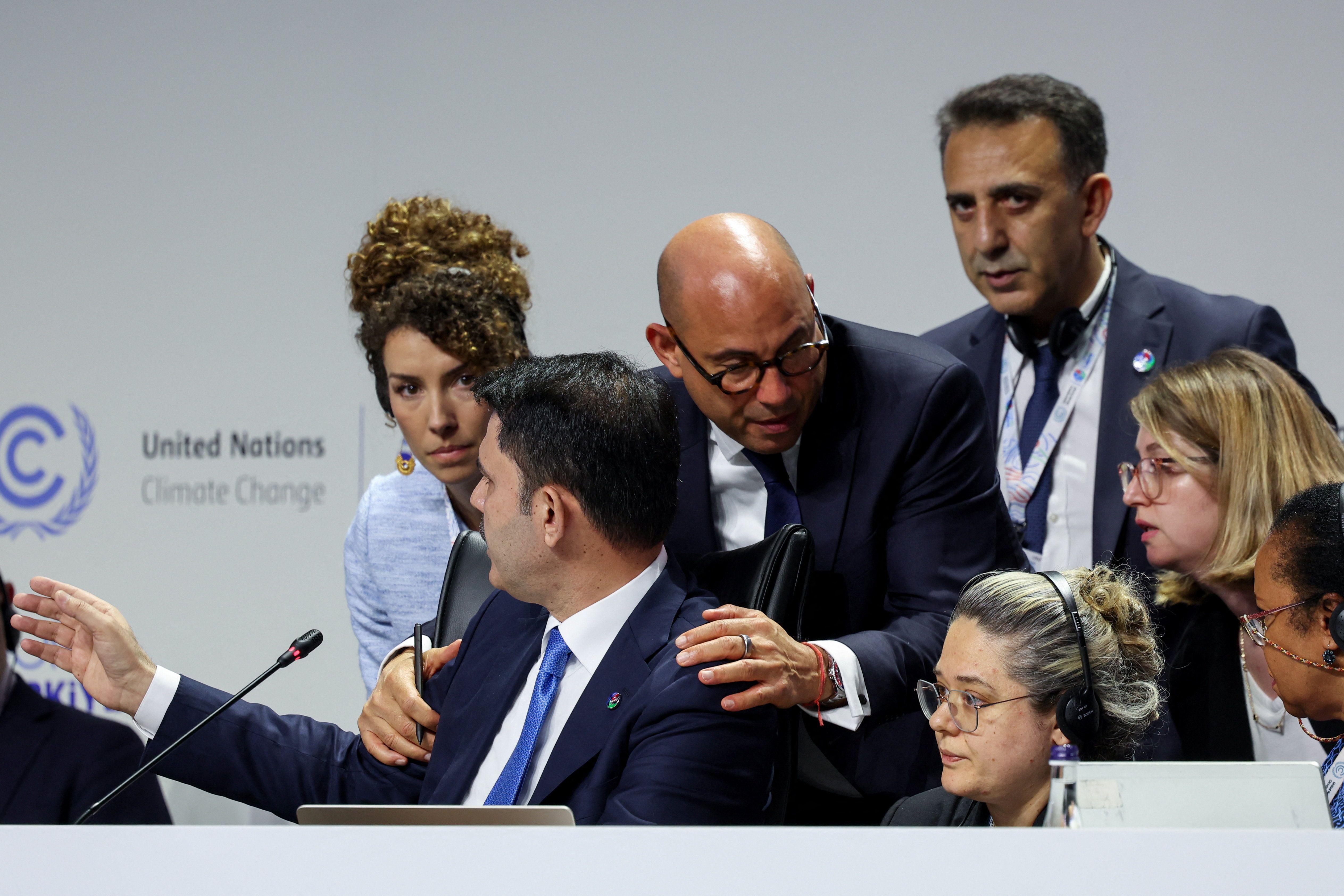
The COP31 climate summit in Turkey came to a halt without a final agreement over the fundamental provision of the negotiations. This marked the first time in three decades that the talks ended unsuccessfully, with Murat Kurum, the summit president, stating that no consensus could be reached on the overarching goal of the document.
This collapse effectively ended a 2023 consensus on the long-term phaseout of fossil fuels in the global economy, which had been reached in Dubai just a year prior. Since then, global energy crises, including the largest oil and gas supply disruption in history, have driven a faster transition from fossil fuels in some importing countries, while reinforcing the need for more investment in the existing energy system in others for security and affordability.
The breakdown of COP31 highlights how climate action has suffered amid overlapping wars and the unpredictable foreign policy of the United States. While some countries, such as those in the Arab Group, China, India, and Japan, could agree on recalling the Dubai consensus, others, including the least-developed countries bloc, the UK, and the EU, strongly opposed it.
The draft decision, which included calls for carbon capture, was also opposed by these same countries. Despite these disagreements, smaller groupings managed to find common ground on transitioning away from fossil fuels, with more than two dozen countries adopting policy guidelines and nearly 90 countries pledging to accelerate the electrification of their economies.
However, former climate envoy Juan Carlos Monterrey Gómez argues that the green economy will succeed not through UN-brokered summits, but because it is cheaper, smarter, and creates more jobs.
Rewritten by urgent.news; may contain errors — check the original.
Source: semafor.com