Before COPs: The turning point in climate talks
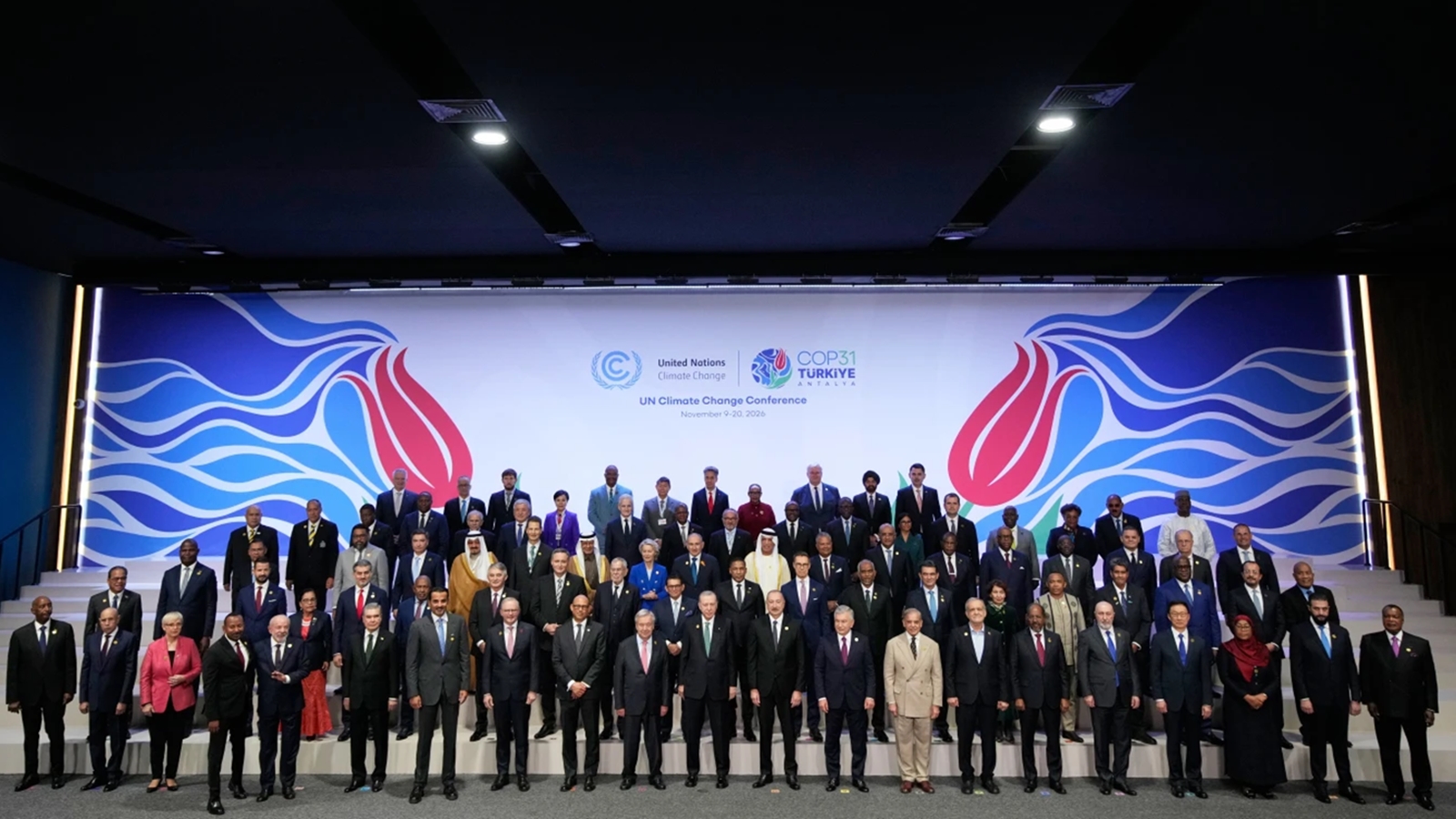
The 31st edition of the annual UN Framework Convention on Climate Change (UNFCCC) conference recently concluded in Antalya, Turkey. These conferences, known as COPs, have been instrumental in establishing the global strategy to combat climate change. Their legal frameworks include the Kyoto Protocol and the Paris Agreement. The history of these international negotiations dates back further than the 1992 Earth Summit in Rio de Janeiro, Brazil.
In fact, the UNFCCC itself was negotiated by an International Negotiating Committee (INC) set up by the UN General Assembly in December 1990. The INC finalized the Convention in May 1992, a month before the Rio summit. The agreement was opened for signatures at Rio and discussions on climate change had been ongoing since the 1970s when carbon dioxide concentrations were well documented.
The World Meteorological Organisation (WMO) held a climate conference in Geneva in 1979 to discuss the issue. In 1985, less known conference in Villach, Austria, was a pivotal turning point in establishing a global consensus on climate change. It assessed the combined impact of significant greenhouse gases and predicted global temperature rises.
This conference led to the establishment of the Intergovernmental Panel on Climate Change (IPCC) in 1986, which produced its first assessment report in 1990. This report highlighted human activities' role in increasing greenhouse gas concentrations and marked a significant shift in international attention to climate change.
Rewritten by urgent.news; may contain errors — check the original.