Beaver Moon 2026: When to see a full 'supermoon' rise this week, and another on Christmas Eve
November's full Beaver Moon rises on Tuesday, Nov. 24, giving us a preview of the spectacular Christmas Eve supermoon coming next month.
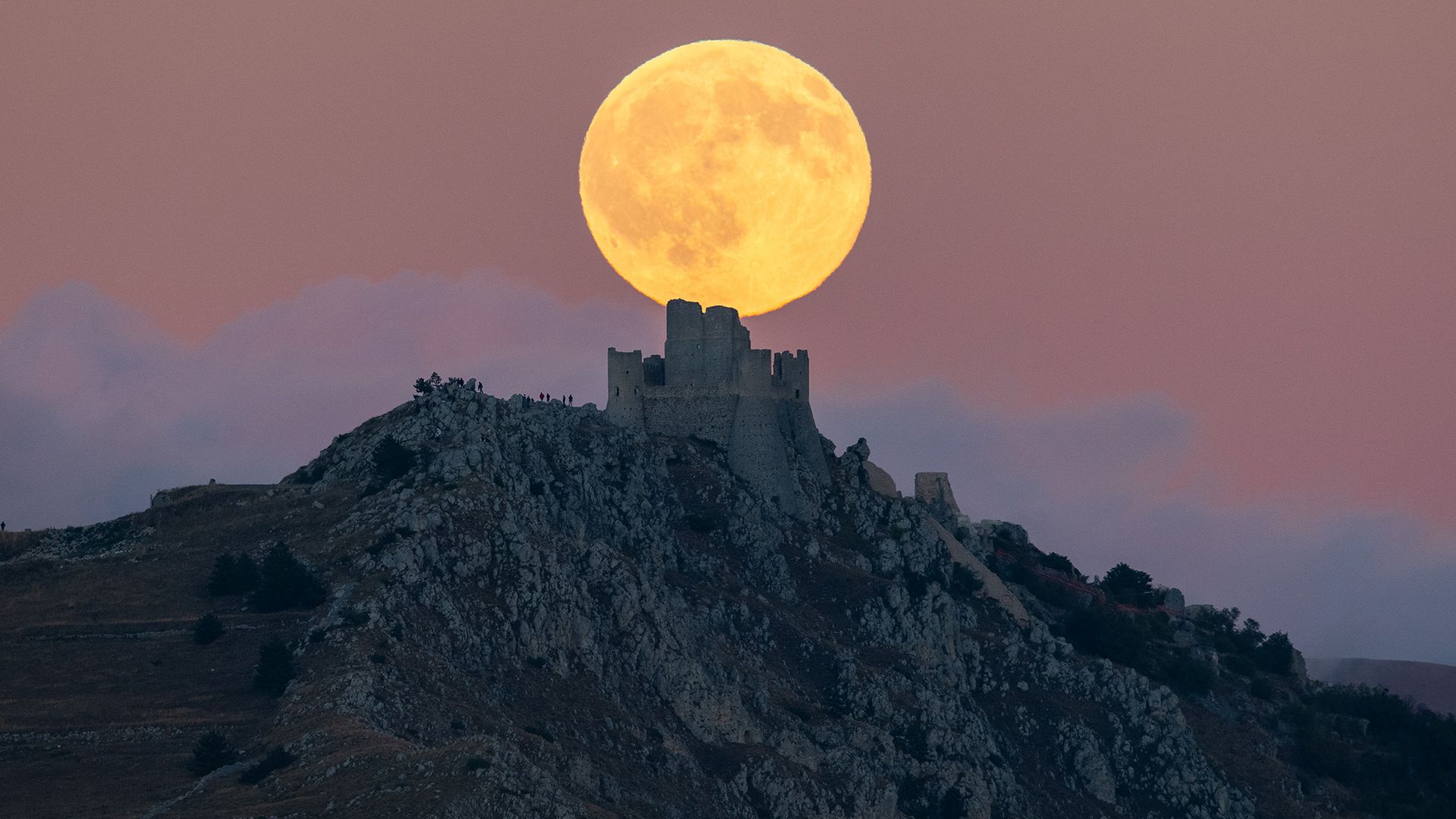
The November full moon, colloquially known as the "Beaver Moon," will make its inaugural appearance in the eastern sky at dusk on Tuesday, November 24, 2026. This marks the onset of three successive supermoons, which occur when a full moon aligns with the moon being at its closest point to Earth in its elliptical orbit. The Beaver Moon is the third and final full moon of fall in the Northern Hemisphere, and it is set to precede two more supermoons in December and January of the following year.
The peculiar name "Beaver Moon" derives from the North American custom of nocturnal beavers constructing dams and preparing for winter during this period, as reported by TimeandDate. Other nicknames for this moon include the Frost Moon and Snow Moon, while the Anishinaabeg people of North America refer to it as Baashkaakodin Giizis — the Freezing Moon.
The moon reaches its full phase at 9:53 a.m. Eastern Time on Tuesday, but it will not be visible from North America at this time, as it will be below the horizon. The optimal time to witness the Beaver Moon is during moonrise that evening, when it rises in the east around the same time the sun sets in the west. This timing allows the moon to be bathed in a relatively bright twilight sky, enhancing its apparent size and color.
Interestingly, the Beaver Moon will be visible at full phase on Monday and Wednesday as well, but Tuesday offers the most favorable opportunity to observe it during twilight. This is because the moon will appear full on the days preceding and following Tuesday, but Tuesday's position in its orbit ensures the most striking view.
As the first of three consecutive supermoons, the Beaver Moon will be the smallest of the trio. The following supermoons, the "Full Cold Supermoon" on December 24, 2026, and the "Full Wolf Supermoon" on January 22, 2027, will surpass it in terms of proximity to Earth and brightness. The December full moon, the "Full Cold Moon," is anticipated to be the closest, largest, and brightest full moon of 2026. According to astrophysicist Fred Espenak, this moon will be closer to Earth than it has been since January 2, 2018.
Rewritten by urgent.news; may contain errors — check the original.
Source: livescience.com