Babylon’s Fall Dated Using Tree Rings and Volcanic Ash
Scientists have narrowed a decades-long debate over the chronology of ancient Mesopotamia, using more than 1,300 years of Anatolian tree-ring records, radiocarbon measurements and evidence of a massive volcanic eruption in Alaska. The findings support a revised timeline that places the fall of Babylon around 1587 BCE and establishes a more precise environmental record of […]
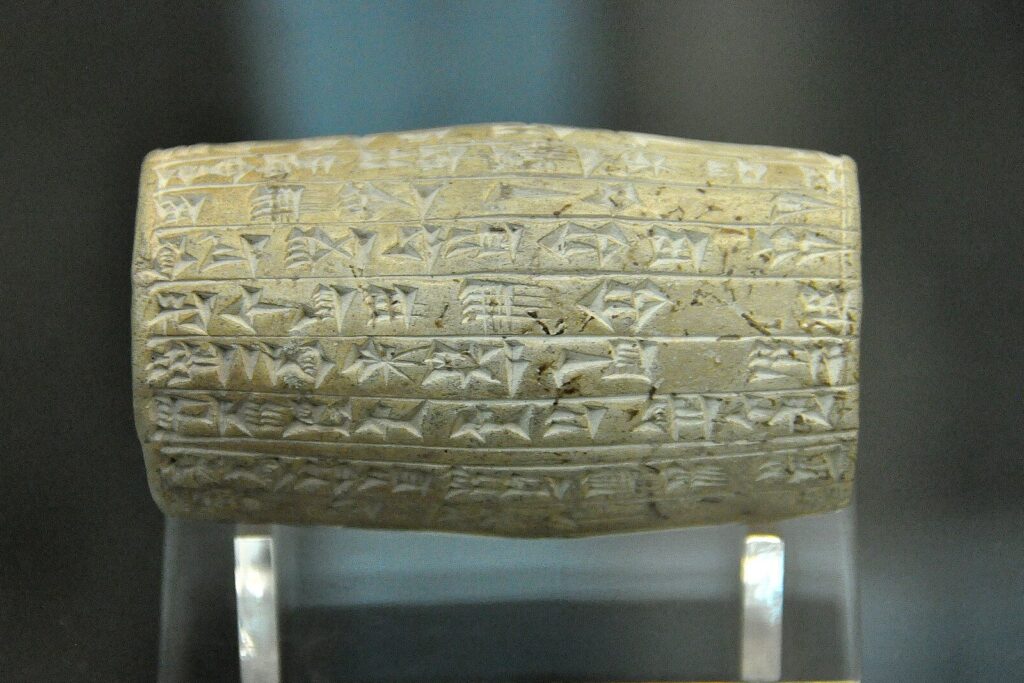
Cuneiform writing was utilized by the Babylonians to document royal accomplishments, historical occurrences, laws and administrative tasks. Scientists have narrowed a prolonged debate surrounding the chronology of ancient Mesopotamia, utilizing over 1,300 years of Anatolian tree-ring records, radiocarbon measurements and evidence of a substantial volcanic eruption in Alaska.
The investigation, published on November 3 in the Proceedings of the National Academy of Sciences (PNAS), incorporates archaeological evidence with scientific dating techniques to resolve long-standing uncertainties regarding the sequence of key events throughout the ancient Near East. Led by Charlotte Pearson from the University of Arizona, the team comprises researchers from organizations in Switzerland, Norway, Austria and the United Kingdom.
Rewritten by urgent.news; may contain errors — check the original.
This story
This is one outlet's version. Read the fullest account.
- Babylon’s Fall Dated Using Tree Rings and Volcanic Ash colombiaone.com