61 Years Later, Charlie Brown's Greatest Enemy Is Still an Undefeated 'Peanuts' Icon
Charlie Brown's only real arch-rival was a malevolent tree. Chomp chomp chomp.
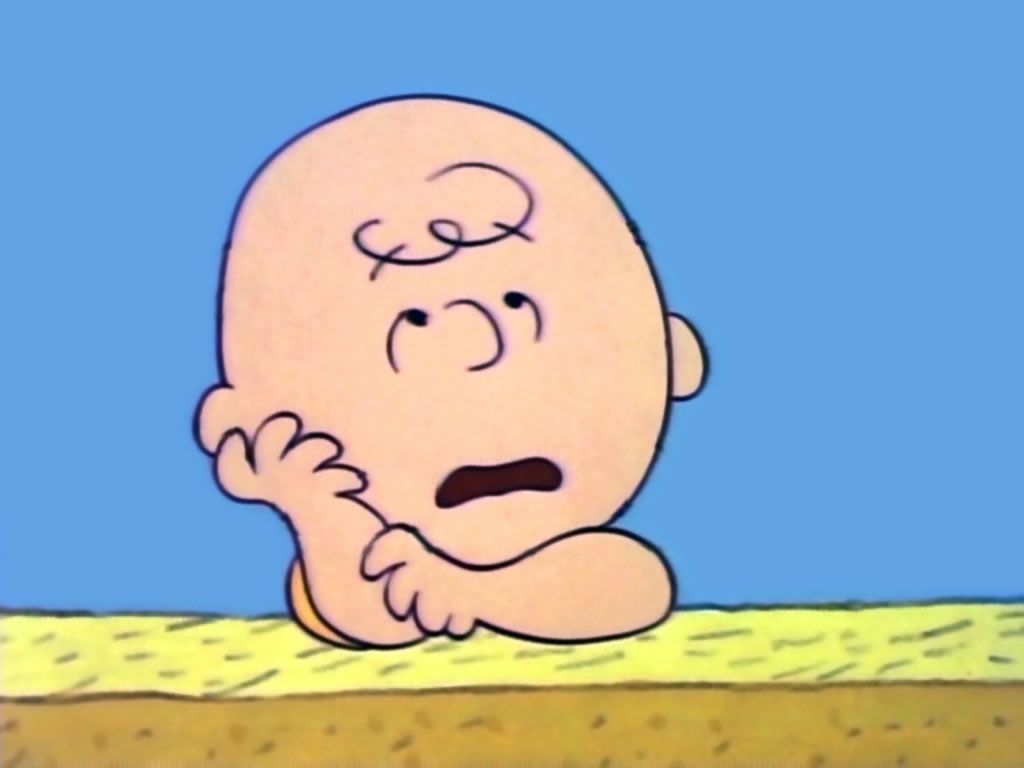
For six decades, Charlie Brown's most formidable adversary in the world of "Peanuts" has remained an enigmatic entity known as the Kite-Eating Tree. This unidentified tree, which resides in Charlie Brown's neighborhood, appears to have a penchant for swallowing up his beloved kites, sparking a one-sided rivalry between the two. The inspiration for the Kite-Eating Tree came from Charles Schulz's keen observation that kites caught in trees would gradually disappear over the course of several weeks due to the tree's natural processes and the elements.
The first specific appearance of the Kite-Eating Tree in "Peanuts" occurred in March 1965, marking the beginning of a recurring storyline that would persist for the next three decades.
Throughout its appearances, the Kite-Eating Tree often remained inactive, occasionally falling down, but Charlie Brown's subsequent encounters with the tree suggest the existence of multiple trees or an elected position. Notably, the Kite-Eating Tree has been shown to actively consume its "prey" on multiple occasions. The two most significant storylines involving the Kite-Eating Tree took place in the late 1960s and 1970s.
In one storyline, Charlie Brown's escalating conflict with the tree led him to evade the Environmental Protection Agency (EPA). In another, Lucy's resentment towards Schroeder's constant piano practice culminated in her throwing the toy piano into the Kite-Eating Tree, which readily expanded its diet to include the piano. Despite Snoopy's rescue attempt, the piano was lost, and Schroeder was forced to order a replacement.
The second major Kite-Eating Tree storyline was particularly surreal and lasted unusually long for a Peanuts arc. On February 25, 1977, Charlie Brown retaliated against the Kite-Eating Tree by biting a significant portion of its side, prompting the EPA to issue a letter to him. In response, Charlie Brown fled home, eventually ending up as the new coach of a pee-wee baseball team.
However, the Kite-Eating Tree had fallen over by then, but it continued to make sporadic appearances throughout the rest of "Peanuts" until its final appearance in 1995. Charlie Brown's attempt to teach Rerun how to fly a kite resulted in a disaster, but the Kite-Eating Tree was no longer present. The Kite-Eating Tree was last seen in 1995, but it is presumed to still exist, waiting for new "prey" to swallow, annoyed by the decreasing popularity of kite-flying among children.
Rewritten by urgent.news; may contain errors — check the original.
Source: polygon.com