5 further glimpses into the oddities of the natural world
From an iguana detected via DNA in Sarawak to penguin poo changing Antarctic snow, nature continues to produce some wonderfully strange science.
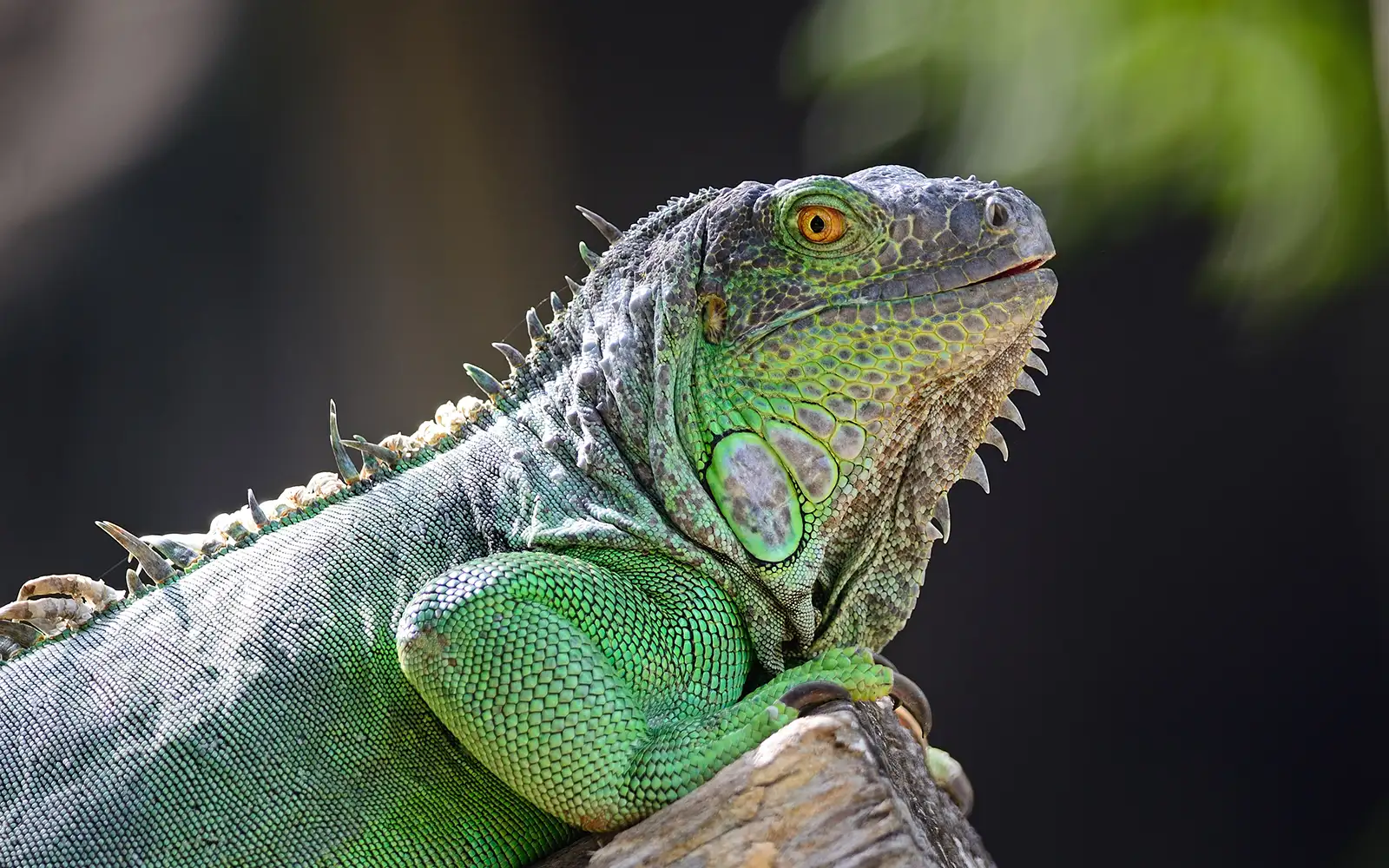
Five recent discoveries and conservation stories offer intriguing glimpses into how animals communicate, shape ecosystems, and occasionally make scientists' jobs more unusual. An iguana may have left a calling card in Sarawak, detected through environmental DNA (eDNA) analysis during a university's BioBlitz. The green iguana, not native to Malaysia, could have been an escaped or released pet.
Additionally, cats may be meowing at humans to communicate more effectively when their owners are present, according to a Brazilian study involving pet cats and food rewards. A six-year-old black Labrador named Sgiath, trained as a mountain-rescue dog, now detects an invasive colonial sea squirt in marine conservation efforts. Known as "sea vomit" or "sea snot," the sea squirt can smother native organisms and create problems for marine habitats and aquaculture.
Finally, the Hawaiian honeycreeper called the 'akiapōlāʻau has a uniquely specialized beak that functions as two different tools: a short, sturdy lower half that gouges holes in wood, and a long, curved upper half that probes inside for insect larvae. This versatile beak earns the bird the nickname "Swiss Army knife of the Hawaiian Islands."
Rewritten by urgent.news; may contain errors — check the original.
This story
This is one outlet's version. Read the fullest account.
- 5 further glimpses into the oddities of the natural world freemalaysiatoday.com